

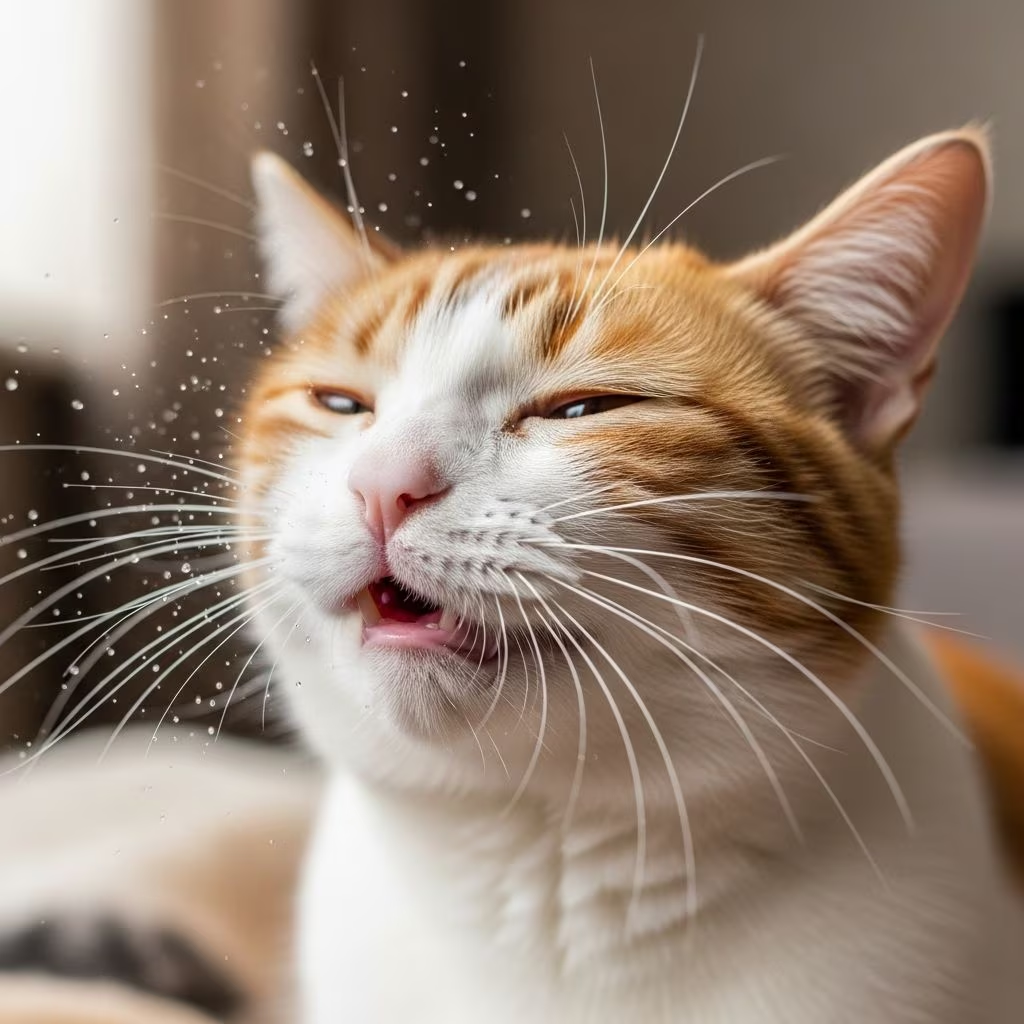
Cat Sneezing: Causes, Symptoms, and Treatment
Cat sneezing is a common occurrence that most pet owners will encounter at some point. While the occasional sneeze is a normal reflex that helps clear your cat’s nasal passages, frequent or excessive sneezing can indicate an underlying health issue that requires attention. Understanding the causes of cat sneezing and recognizing when professional veterinary care is needed is essential for maintaining your feline companion’s health and well-being.
Why Do Cats Sneeze?
Cats sneeze for similar reasons that humans do—to clear their nasal passages of irritants or debris. Occasional sneezing is a completely normal and healthy behavior. However, when sneezing becomes excessive or is accompanied by other symptoms, it may signal a medical condition that needs investigation.
Common Causes of Cat Sneezing
1. Viral Respiratory Infections
The most common cause of excessive sneezing in cats is a viral upper respiratory infection (URI). Feline Herpesvirus (FHV) is the most prevalent culprit, with estimates suggesting that 80-90% of all cats have been exposed to this virus. Unlike herpesvirus in humans, the feline version primarily affects the upper respiratory tract, causing sneezing and discharge from the nose and eyes.
Most cats are exposed to these respiratory viruses as kittens and become chronic carriers. The dormant virus can re-emerge when cats experience stress or immunosuppression. Other viral infections that cause sneezing include Feline Calicivirus, which is highly contagious between cats and can affect the respiratory tract, potentially causing pneumonia.
Unfortunately, there is currently no cure for viral upper respiratory infections in cats, and infections are lifelong. However, emerging research suggests that existing medications may improve outcomes for infected cats.
2. Bacterial Infections
Bacterial infections in cats rarely act as the primary cause of sneezing. Instead, they typically play a secondary role after a viral infection or other medical condition damages the nasal passages, weakening the barriers that normally protect cats from bacterial attacks.
When you observe yellow or green discharge from your cat’s nose or eyes accompanied by excessive sneezing, this is a strong indicator of a bacterial infection. Common bacterial culprits include Bordetella, Mycoplasma, and Chlamydia. The good news is that bacterial infections respond well to antibiotic treatment, which can dramatically reduce sneezing and other symptoms, allowing cats to breathe more comfortably.
3. Fungal Infections
Although less common than viral or bacterial infections, fungal infections can cause sneezing in cats. Cryptococcus is the most typical fungal culprit. A physical examination alone is insufficient to diagnose a fungal infection, so veterinarians typically recommend rhinoscopy or a biopsy for proper diagnosis. Treatment may include oral anti-fungal medications, nasal infusions of anti-fungal agents, and in some cases, surgery.
4. Allergies and Environmental Irritants
Cats can sneeze due to various environmental irritants and allergens present in their surroundings. Common culprits include dust, perfume, cleaning products, pollen, and smoke. Identifying and removing these irritants from your cat’s environment can help reduce sneezing episodes.
5. Dental Disease
Dental problems, including tooth and gum disease, can cause sneezing in cats. This occurs because dental infections can affect the sinuses and nasal passages from within. If you suspect your cat has dental issues, a veterinary visit is strongly recommended, as this condition is generally painful and serious.
6. Foreign Objects
Occasionally, cats may inhale foreign objects that become lodged in their nasal passages, triggering sneezing. While this is less common in cats than in dogs, it remains a possibility that should be investigated if other causes have been ruled out.
7. Nasal Growths and Tumors
In older cats especially, neoplasia (tumors) should always be considered as a possible cause of sneezing. Cancerous cells can grow inside the nasal passage, creating irritation and inflammation that causes sneezing. These tumors are typically detected visually via rhinoscopy or nasal biopsy. Unfortunately, when present, diagnosis usually results in poor outcomes.
Recognizing Symptoms Associated with Sneezing
While sneezing itself is the primary symptom, cats with underlying conditions may display additional signs that warrant veterinary attention:
- Nasal or ocular discharge (clear, yellow, or green)
- Lethargy and lack of energy
- Loss of appetite or reduced food intake
- Fever
- Difficulty breathing or labored breathing
- Coughing
- Eye redness or squinting
- Facial swelling or deformity
- Persistent or chronic sneezing lasting weeks or months
When to Visit the Veterinarian
While occasional sneezing is normal, you should contact your veterinarian if:
- Your cat sneezes excessively or continuously
- Sneezing is accompanied by discharge from the nose or eyes
- Your cat shows signs of illness such as fever, lethargy, or loss of appetite
- Your cat has difficulty breathing or eating
- Sneezing persists for more than a few days
- Your cat is elderly or has a weakened immune system
Diagnosing the Cause of Cat Sneezing
Diagnosing the underlying cause of cat sneezing involves multiple steps. Your veterinarian will begin by evaluating your cat’s medical history and conducting a thorough physical examination. Based on initial findings, additional diagnostic tools may be employed:
- Rhinoscopy: A small endoscope is inserted into the nose or mouth for better visualization of nasal structures.
- Nasal wash or biopsy: Samples are collected to identify infectious organisms or abnormal cells.
- Blood and urine tests: Used to detect viruses and other infectious diseases.
- X-rays or advanced imaging: CT or MRI scans may be needed to examine the nose, pharynx, and chest.
Treatment Options for Sneezing Cats
Treatment for cat sneezing is typically targeted at the underlying cause. It’s important to understand that in most cases, especially chronic cases, the goal is to reduce the frequency and severity of symptoms rather than cure them completely.
Mild Cases
For cats with mild symptoms, upper respiratory infections may resolve on their own after a couple of weeks or can be aided by simple supportive care measures:
- Using a humidifier to keep nasal passages moist
- Ensuring adequate hydration
- Warming canned food to encourage eating
- Regularly cleaning nasal discharge with warm, moist cotton
Moderate Cases
More progressive cases may require additional treatment options, including:
- Antibiotics: Used to treat or prevent bacterial infections. These medications can make cats feel better quite quickly.
- Nasal lavage: A procedure performed under general anesthesia that can relieve clinical signs temporarily and dislodge hidden foreign material if present.
- Steroids: Help reduce inflammation in the nasal and sinus cavities.
- Antihistamines: May help reduce sneezing related to allergic reactions.
- NSAIDs: Non-steroidal anti-inflammatory drugs to manage discomfort and inflammation.
Severe Cases
Advanced cases may require hospitalization to administer intensive treatments such as intravenous (IV) fluids and nutritional support. If left untreated, upper respiratory infections can lead to serious complications including pneumonia, chronic breathing issues, and even blindness.
Chronic Condition Management
Unfortunately, there are no cures for chronic upper respiratory conditions in cats, so treatment usually involves managing symptoms with frequent veterinary care and medications. This may include long-term use of prescribed medications and regular follow-up visits to monitor your cat’s condition.
Home Care Steps for Sneezing Cats
If you suspect your cat has an upper respiratory infection, here are immediate steps you can take to provide relief while awaiting a veterinary appointment:
- Regularly clean any discharge from your cat’s nose and face with warm, moist cotton
- Try to encourage eating by warming up canned food to release its aroma
- Ensure your cat has access to plenty of fresh, clean water
- Run a humidifier to help keep nasal passages moist and reduce irritation
- Keep your cat in a stress-free environment, as stress can exacerbate symptoms
- Isolate infected cats from other pets to prevent transmission of contagious viruses
Prevention Strategies
While not all causes of sneezing can be prevented, you can reduce the risk of respiratory infections and other sneezing triggers by:
- Ensuring your cat receives regular vaccinations (FVRCP vaccine provides protection against Calicivirus)
- Maintaining proper grooming and regular bathing
- Keeping your home clean to minimize dust and allergens
- Avoiding exposure to smoke, strong perfumes, and harsh cleaning chemicals
- Reducing stress through environmental enrichment and routine
- Providing a balanced diet to support immune system function
- Keeping your cat’s living space well-ventilated
Understanding Your Cat’s Environment
One of the most important steps in managing cat sneezing is studying your cat’s environment and identifying potential causes. Looking for patterns can help determine whether sneezing is due to an irritant such as dust or perfume, or if it’s caused by an infection or other underlying condition. Keep track of when sneezing occurs and what your cat was doing or exposed to just before the episode. This information can be invaluable to your veterinarian in making an accurate diagnosis.
Frequently Asked Questions
Q: Is occasional sneezing in cats normal?
A: Yes, occasional sneezing is completely normal and is simply your cat’s way of clearing their nasal passages. It only becomes concerning if the sneezing becomes excessive or is accompanied by other symptoms like discharge or lethargy.
Q: Can cats catch colds from humans?
A: Cats cannot catch human colds, but they can develop their own feline upper respiratory infections caused by different viruses such as Feline Herpesvirus and Calicivirus.
Q: How long does cat flu last?
A: The duration depends on the severity of the infection. Mild cases may resolve within a couple of weeks, while severe or chronic cases may persist for months or longer, requiring ongoing management.
Q: Is cat sneezing contagious to other cats?
A: Yes, viral respiratory infections causing sneezing are highly contagious between cats, particularly Feline Calicivirus and Feline Herpesvirus. Infected cats should be isolated from other cats when possible.
Q: Can stress cause sneezing in cats?
A: Stress doesn’t directly cause sneezing, but it can exacerbate symptoms in cats carrying dormant viral infections like Feline Herpesvirus, causing a flare-up of symptoms.
Q: What should I do if my cat stops eating due to sneezing?
A: Loss of appetite due to sneezing is concerning and warrants prompt veterinary evaluation. Your veterinarian may recommend warming food to make it more appealing or provide supportive care like IV fluids in severe cases.
Q: Are there any long-term complications from untreated cat sneezing?
A: Yes, untreated upper respiratory infections can lead to serious complications including pneumonia, chronic breathing issues, and in rare cases, blindness. Early veterinary intervention is important.
References
- Why Is My Cat Sneezing — Cabbagetowm Pet Clinic. 2022-11-01. https://www.cabbagetownpetclinic.com/blog/november-2022/why-is-my-cat-sneezing
- Why Is My Cat Sneezing? — PetMD. https://www.petmd.com/cat/symptoms/cat-sneezing
- Why Is My Cat Sneezing? — BluePearl Pet Hospital. https://bluepearlvet.com/medical-articles-for-pet-owners/cat-sneezing-does-your-cat-have-a-cold/
- My Cat is Sneezing a Lot, What Do I Do? — Saratoga Veterinary Hospital. https://saratogavethosp.com/blog/my-cat-is-sneezing-a-lot-what-do-i-do/
- Sneezing in cats — Joii Pet Care. https://www.joiipetcare.com/blogs/health-symptoms/sneezing-in-cats
- Cat Sneezing: Respiratory Infections, Allergens, and Other Causes — WebMD Pets. https://www.webmd.com/pets/cats/why-cats-sneeze



