

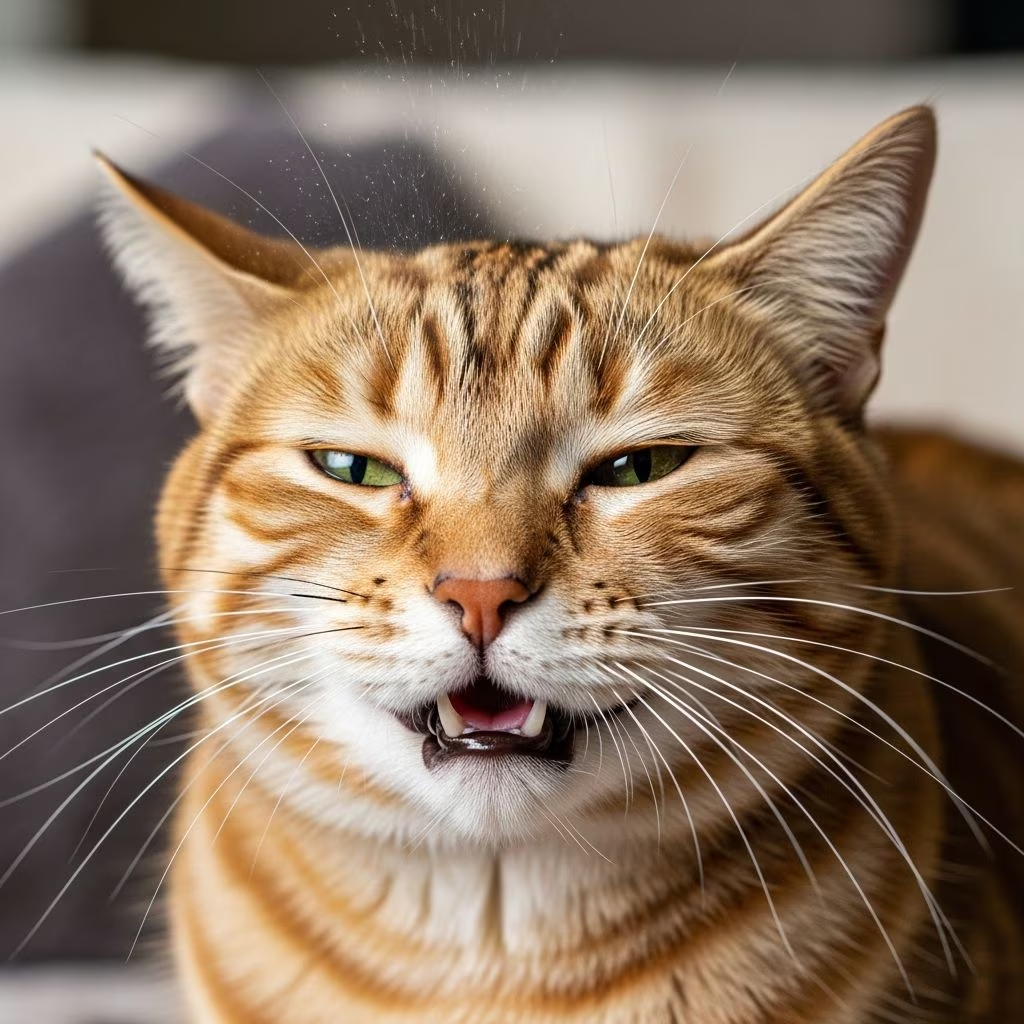
Why Is My Cat Sneezing?
Sneezing in cats can be a normal occurrence as they clear their nasal passages, but when it becomes frequent or persistent, it may indicate an underlying health issue requiring attention. Understanding the various causes of cat sneezing is essential for pet owners to determine when veterinary care is necessary and how best to support their feline companions.
Common Causes of Cat Sneezing
Upper Respiratory Infections
Upper respiratory infections (URIs) represent one of the most prevalent causes of sneezing in cats. These infections can be caused by viruses, bacteria, or fungi, and they’re particularly common in environments where multiple cats live together, such as boarding facilities and multi-cat households. The primary culprit behind most viral respiratory infections in cats is feline herpesvirus (FHV), which affects an estimated 80-90% of the feline population. Unlike in humans, herpesvirus in cats primarily causes upper respiratory symptoms including sneezing and discharge from the nose and eyes.
Viral Infections
Viral infections spread rapidly among cats through airborne droplets, making them particularly common in densely populated feline environments. Feline calicivirus and herpesvirus are the most notable viral culprits. Most cats are exposed to these upper respiratory viruses as kittens and become chronic carriers of the virus. When cats experience stress or become immunosuppressed, the dormant virus can re-emerge and cause active infection. It’s important to note that while vaccines can provide protection against calicivirus and some respiratory viruses through the FVRCP combo vaccine, there is currently no cure for feline herpesvirus, making prevention through vaccination crucial.
Bacterial Infections
Bacterial infections in cats almost always play a secondary role following a primary viral infection or other medical condition that has damaged the nasal passages. Common bacterial culprits include Bordetella, mycoplasma, and chlamydia. A telltale sign of bacterial infection is the presence of yellow or green discharge from your cat’s nose or eyes accompanying the sneezing. Bacterial infections typically develop when your cat’s immune system has been weakened by a primary viral infection, making the nasal passages vulnerable to secondary bacterial invasion.
Fungal Infections
Although less common than viral or bacterial infections, fungal infections can cause persistent sneezing in cats. Cryptococcus is the most common fungal culprit, spreading through fungal spores found in soil, decaying wood, and moist environments. Diagnosing fungal infections requires more sophisticated diagnostic techniques such as rhinoscopy or biopsy, as a physical examination alone cannot distinguish fungal infections from other causes of sneezing.
Allergies and Environmental Irritants
Cats can develop allergies to environmental factors just as humans do. Common allergens include dust, pollen, mold spores, perfumes, and household chemicals. When exposed to these irritants, cats may sneeze frequently as their bodies attempt to clear the nasal passages. Allergic sneezing is typically seasonal or consistent with exposure to the allergen, and it may be accompanied by watery eyes or facial itching.
Foreign Objects
Curious by nature, cats can accidentally inhale small particles such as grass blades, plant fragments, or other debris. When foreign objects become lodged in the nasal passages, they cause irritation and trigger sneezing. This is typically a temporary condition that resolves once the object is removed.
Nasal Tumors and Growths
While less common than infections, growths within the nasal tissue can cause irritation and lead to sneezing. Most nasal growths in cats are benign, but they can obstruct airflow and cause significant discomfort. These growths require professional veterinary diagnosis and may necessitate surgical intervention.
Dental Disease
Dental problems in cats can contribute to sneezing, as infections or disease in the teeth and gums may affect the nasal passages. Addressing the underlying dental issue is essential for resolving sneezing caused by dental disease.
Recognizing Symptoms of Serious Sneezing
While occasional sneezing is normal, certain symptoms accompanying sneezing may indicate a more serious condition requiring veterinary attention:
- Nasal or ocular discharge: Any colored discharge, particularly yellow or green, suggests a bacterial or serious viral infection
- Lethargy or fatigue: A sick cat may sleep excessively or lack energy for normal activities
- Fever: Elevated body temperature indicates the immune system is responding to infection
- Loss of appetite: Reduced interest in food often accompanies respiratory infections
- Labored breathing: Difficulty breathing or unusual breathing sounds suggest nasal congestion or more serious lung involvement
- Red or swollen eyes: Eye inflammation often accompanies upper respiratory infections
- Persistent sneezing: Continuous sneezing lasting more than a few days warrants veterinary evaluation
When to Visit Your Veterinarian
Pet owners should contact their veterinarian if their cat experiences persistent sneezing lasting more than a few days, sneezing accompanied by any of the symptoms listed above, or any signs of respiratory distress. Kittens, elderly cats, and immunocompromised cats are at higher risk for serious complications from respiratory infections and should receive prompt veterinary care when sneezing occurs.
Diagnosing the Cause of Cat Sneezing
Veterinarians employ various diagnostic tools to determine the underlying cause of sneezing in cats. The diagnostic process typically begins with a thorough physical examination and review of your cat’s medical history. Your veterinarian will inquire about the duration of sneezing, any other symptoms present, your cat’s vaccination status, and environmental factors that might contribute to the condition.
Additional diagnostic procedures may include:
- Rhinoscopy: A small endoscope is inserted into the nose or mouth to visualize nasal structures and collect samples
- Nasal wash: Samples collected from the nasal passages can be analyzed to identify viral, bacterial, or fungal infections
- Blood and urine tests: These help detect systemic infections and other underlying diseases
- X-rays or advanced imaging: CT or MRI scans provide detailed views of the nasal passages, pharynx, and chest
- Biopsies: Small tissue samples from the nose help identify organisms responsible for infection
Treatment Options for Cat Sneezing
Treatment for cat sneezing depends entirely on the underlying cause. While mild sneezing often resolves on its own without intervention, persistent or problematic sneezing requires targeted treatment. It’s important to note that for many chronic conditions, the goal is managing symptoms rather than achieving a complete cure.
Medications
Antibiotics: For bacterial infections, antibiotics are often prescribed and can dramatically reduce sneezing and other symptoms. While bacterial infections rarely initiate respiratory illness in cats, they commonly develop as secondary infections and respond well to antibiotic therapy.
Antihistamines and Steroids: When allergies are the underlying cause, antihistamines help reduce allergic reactions by blocking histamine receptors, while steroids help relieve airways and reduce inflammation. These medications can effectively control sneezing related to allergies.
Antifungal Medications: Fungal infections may be treated with oral antifungal medications, nasal infusions of antifungal agents, or a combination of both approaches.
Supportive Care
For many cases, especially mild upper respiratory infections, supportive care focuses on keeping your cat comfortable while their immune system fights the infection:
- Use a humidifier to keep nasal passages moist and ease congestion
- Regularly clean nasal discharge with warm, moist cotton
- Warm canned food to encourage eating and maintain nutrition
- Ensure fresh water is always available to prevent dehydration
- Provide a stress-free environment to support immune function
Dental Treatment
When sneezing results from dental disease, addressing the underlying dental issue is essential for recovery. Treatment may involve dental cleaning, scaling, tooth extractions, or antibiotics depending on the severity of the dental disease.
Surgical Intervention
In cases involving nasal tumors or persistent foreign objects, surgical intervention may be necessary. Endoscopy is commonly used to safely remove foreign objects from the nasal passages, while surgical removal of tumors can restore normal airflow and eliminate sneezing.
Intensive Treatment for Severe Cases
Severe upper respiratory infections may require hospitalization for intensive treatment including intravenous fluids and nutritional support. If left untreated, upper respiratory infections can lead to serious complications such as pneumonia, chronic breathing issues, and even blindness.
Prevention Strategies
While not all causes of sneezing can be prevented, several strategies can reduce the risk:
- Vaccination: Keep your cat current on vaccinations, particularly the FVRCP vaccine which protects against feline calicivirus
- Environmental management: Minimize exposure to known allergens and maintain good air quality in your home
- Stress reduction: Create a calm environment to support immune function and prevent viral reactivation
- Regular grooming: Bathe and groom your cat regularly to reduce allergens in their coat
- Dental care: Maintain your cat’s oral health through regular brushing and veterinary dental checkups
- Hygiene practices: Clean litter boxes, food bowls, and bedding regularly to reduce pathogen transmission
Frequently Asked Questions
Q: Is occasional sneezing in cats normal?
A: Yes, occasional sneezing is a normal process for cats to clear their nasal passages and usually isn’t concerning. However, frequent or persistent sneezing warrants veterinary attention.
Q: Can cat sneezing spread to humans?
A: Most feline respiratory viruses are species-specific and cannot infect humans. However, good hygiene practices are always recommended when caring for a sick cat.
Q: How long does it take to treat cat sneezing?
A: Recovery time depends on the underlying cause. Mild cases may resolve in a few days, while bacterial infections typically improve within 7-10 days of antibiotic treatment. Chronic conditions may require ongoing management.
Q: Is there a cure for feline herpesvirus?
A: Currently, there is no cure for feline herpesvirus. Once infected, cats become lifelong carriers. Treatment focuses on managing symptoms and preventing reactivation through stress reduction and supportive care.
Q: What should I do if my cat won’t eat due to sneezing?
A: Try warming canned food to enhance its aroma and palatability. Ensure fresh water is always available. If your cat continues to refuse food for more than 24 hours, contact your veterinarian immediately.
Q: Can indoor cats get upper respiratory infections?
A: Yes, indoor cats can develop respiratory infections, especially if they’re exposed to other cats or if they’ve been outdoor cats previously. Vaccination remains important for all cats.
References
- Why Is My Cat Sneezing? — PetMD. Accessed 2025-11-28. https://www.petmd.com/cat/symptoms/cat-sneezing
- Cat Sneezing: Causes, Diagnosis, and Treatment — Noble Vet Clinic. Accessed 2025-11-28. https://noblevetclinic.com/blog/cat-sneezing-causes-diagnosis-and-treatment
- Why Is My Cat Sneezing? – BluePearl Pet Hospital — BluePearl Pet Hospital. Accessed 2025-11-28. https://bluepearlvet.com/medical-articles-for-pet-owners/cat-sneezing-does-your-cat-have-a-cold/
- What You Should Know About Cat Sneezing — Hill’s Pet Nutrition. Accessed 2025-11-28. https://www.hillspet.com/cat-care/healthcare/what-you-should-know-about-cat-sneezing
- Cat Sneezing: Respiratory Infections, Allergens, and Other Causes — WebMD Pets. Accessed 2025-11-28. https://www.webmd.com/pets/cats/why-cats-sneeze
- My Cat is Sneezing a Lot, What Do I Do? — Saratoga Veterinary Hospital. Accessed 2025-11-28. https://saratogavethosp.com/blog/my-cat-is-sneezing-a-lot-what-do-i-do/
- Sneezing in Cats — Joii Pet Care. Accessed 2025-11-28. https://www.joiipetcare.com/blogs/health-symptoms/sneezing-in-cats



