

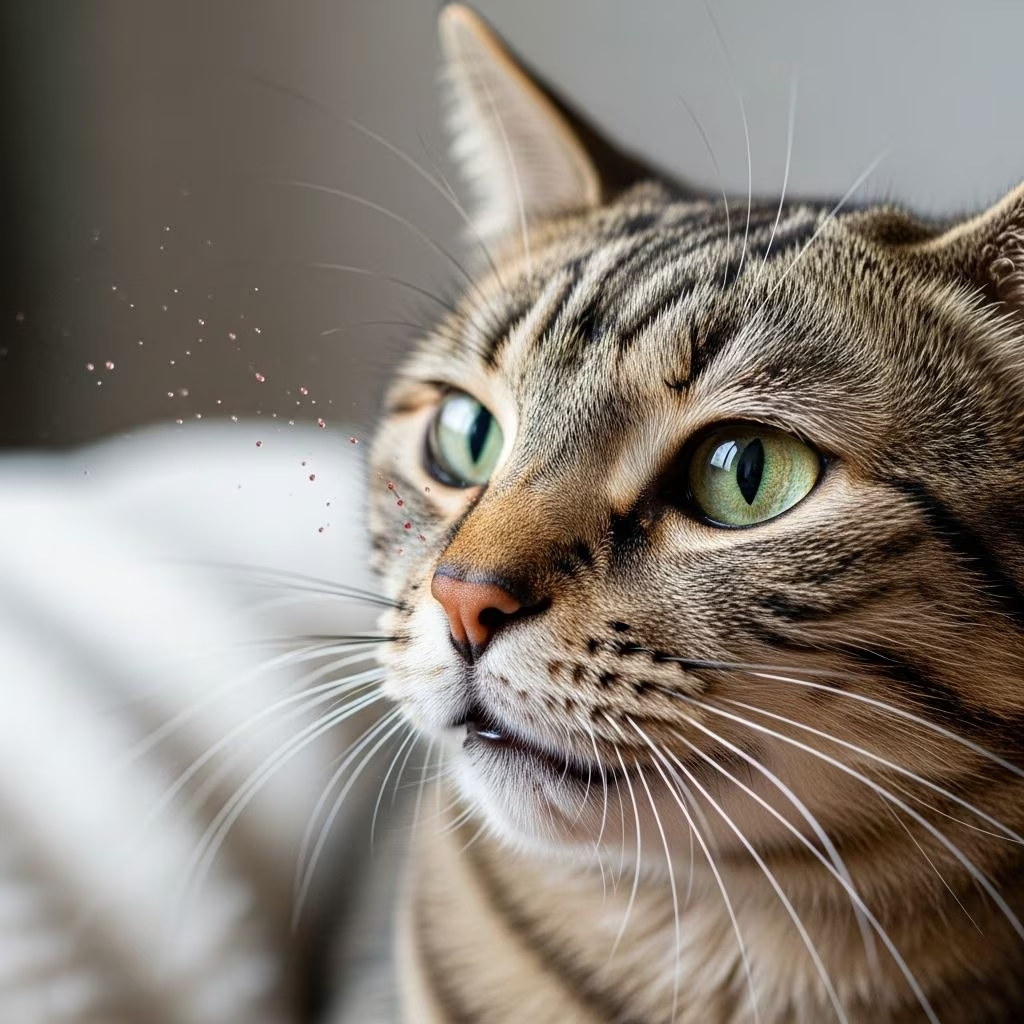
Seeing blood when your cat sneezes can be alarming for any pet owner. This condition, known as epistaxis or a nosebleed in cats, occurs when blood vessels in the nasal passages rupture, leading to bloody discharge during sneezing. While a single minor incident might stem from irritation, persistent or heavy bleeding demands immediate veterinary attention to rule out serious underlying issues.
Epistaxis happens when fragile nasal blood vessels break, causing blood to leak from the nostrils (nares). The irritation from bleeding often triggers sneezing, creating a cycle that worsens the discharge. Causes range from benign irritants to life-threatening diseases, making quick diagnosis essential.
What Causes Cats to Sneeze Blood?
Cats sneeze blood due to a variety of factors, categorized into infections, clotting problems, injuries, foreign objects, dental issues, hypertension, nasal growths, and poisoning. Understanding these helps owners recognize urgency.
1. Upper Respiratory Infections
Upper respiratory infections (URIs) are among the most common culprits. Viruses like feline herpesvirus (FHV-1) or calicivirus inflame nasal tissues, leading to ulcers or raw areas that bleed during sneezing. Bacterial secondary infections often complicate matters, producing green or bloody discharge alongside symptoms like watery eyes, coughing, and lethargy.
Feline leukemia virus (FeLV) and feline immunodeficiency virus (FIV) weaken immunity, predisposing cats to recurrent URIs and epistaxis. These viruses range from mild, home-treatable cases to severe ones requiring hospitalization. Treatment typically involves antivirals, antibiotics, lysine supplements, and supportive care like steam therapy.
2. Blood Clotting Disorders
Clotting issues prevent proper blood vessel repair, causing spontaneous nosebleeds. Common triggers include rat poison (anticoagulant rodenticides), which cats ingest directly or via poisoned prey. Other causes: liver failure, inherited hemophilia, immune-mediated thrombocytopenia, cancer, bone marrow diseases, or reactions to human NSAIDs like aspirin.
Symptoms extend beyond sneezing blood to bruising, pale gums, or internal bleeding. Blood tests for platelet counts, red blood cells, and clotting times provide rapid diagnosis. Antidotes exist for rodenticide poisoning if treated promptly.
3. Dental Disease
Severe dental problems, such as tooth root abscesses or periodontal disease, erode bone and invade nasal cavities, leading to bloody sneezes—often from one nostril. Signs include bad breath, drooling, pawing at the mouth, or facial swelling.
Vets diagnose via oral exams, dental radiographs, and sometimes CT scans. Treatment requires anesthesia for cleaning, extractions, antibiotics, and pain relief.
4. Injuries and Trauma
Head or facial trauma from fights, falls, or car accidents damages nasal blood vessels. Even minor scratches inside the nose from rough play can bleed profusely due to the area’s vascularity.
Observe for swelling, asymmetry, or neurological signs. Stabilize with cold compresses en route to the vet, who may use imaging and clotting tests.
5. Foreign Bodies and Irritants
Inhaled grass blades, seeds, dust, pollen, or insects lodge in nasal passages, causing irritation, excessive sneezing, and bleeding. Localized to one nostril, these often require rhinoscopy (endoscopy) for removal.
- Common culprits: plant awns, foxtails, bugs.
- Symptoms: unilateral sneezing, pawing at nose, foul discharge.
6. Nasal Tumors and Polyps
Cancerous or benign growths like nasal tumors or polyps obstruct passages and erode tissues, causing chronic bloody sneezing. More common in older cats, these present with weight loss, facial deformity, or breathing issues.
Diagnosis involves CT scans, biopsies, and rhinoscopy. Treatment may include surgery, radiation, or chemotherapy, though prognosis varies.
7. Hypertension
High blood pressure, often secondary to kidney disease or hyperthyroidism, ruptures nasal vessels. Older cats are prone, showing additional signs like blindness or heart murmurs.
Blood pressure measurement confirms it; management uses lifelong medications.
8. Allergies and Chronic Rhinitis
Allergens or idiopathic chronic rhinitis inflame nasal linings, leading to bloody discharge from excessive sneezing. Symptoms wax and wane, with dried blood crusts.
Treatment: antihistamines, steroids, nasal flushes after ruling out other causes.
9. Other Causes
Less common: fungal infections (e.g., cryptococcosis), autoimmune diseases, or rare toxins. Fungal cases need cultures and antifungals.
What to Do If Your Cat Is Sneezing Blood
Act swiftly: persistent sneezing blood is an emergency. Keep your cat calm in a quiet space to reduce stress-induced bleeding.
- Immediate first aid: Apply a cold compress or ice pack (wrapped in cloth) to the nose bridge for 5-10 minutes if your cat tolerates it. Avoid direct ice.
- Do not administer human meds, probe the nose, or delay vet care.
- Rush to the vet if: heavy bleeding, one-sided, lethargy, breathing difficulty, or toxin exposure suspected.
Monitor for concurrent signs: appetite loss, green discharge, eye issues, or neurological changes signal severity.
Diagnosing a Cat Sneezing Blood
Vets start with history: recent trauma, toxins, meds, or outdoor access? Follow with physical exams checking blood pressure, oral cavity, and lymph nodes.
Key diagnostics:
| Test | Purpose |
|---|---|
| Bloodwork (CBC, clotting profile) | Detects anemia, low platelets, infections |
| Urinalysis | Checks for blood, kidney issues |
| X-rays/CT scans | Visualizes tumors, foreign bodies, trauma |
| Rhinoscopy/Biopsy | Direct nasal exam, cultures |
| FeLV/FIV tests | Rules out viral immunosuppression |
| Blood pressure | Identifies hypertension |
Sedation aids nasal exams or epinephrine vasoconstriction for active bleeds.
Treating a Cat Sneezing Blood
Treatment targets the cause:
- Infections: Antibiotics, antivirals, antifungals.
- Foreign bodies: Rhinoscopy removal.
- Clotting disorders: Vitamin K for rodenticides, transfusions.
- Tumors/Polyps: Surgery, chemo.
- Dental: Extractions, cleaning.
- Hypertension/Allergies: Meds for life.
Supportive care: fluids, pain relief, oxygen if needed. Prognosis improves with early intervention. Never self-treat.
Frequently Asked Questions (FAQs)
Why is my cat sneezing blood from one nostril?
Often indicates localized issues like foreign bodies, dental abscesses, or unilateral infections/tumors. Bilateral suggests systemic causes like clotting disorders.
Is cat sneezing blood an emergency?
Yes, if persistent, heavy, or with illness signs. Minor single episodes warrant monitoring and vet follow-up.
Can I stop my cat’s nosebleed at home?
Use cold compresses and calm environment briefly, but seek vet care immediately—do not use medications.
What if my cat sneezes frequently without blood?
Could be allergies or mild URIs; vet check if ongoing to prevent progression.
How do vets test for rat poison in cats?
Blood clotting tests and history; vitamin K trial if suspected.
References
- What to Do If Your Cat Is Sneezing Blood — Cats.com. 2023. https://cats.com/cat-sneezing-blood
- My Cat Is Sneezing Blood, What Do I Do? Our Vet Explains — Catster. 2023. https://www.catster.com/ask-the-vet/cat-sneezing-blood/
- 7 Reasons For Epistaxis In Cats — Kingsdale Animal Hospital. 2023. https://www.kingsdale.com/7-reasons-for-epistaxis-in-cats-learn-about-cat-nose-bleeds
- Cat Nosebleed: Signs, Causes, and Treatment of Epistaxis in Cats — PetMD. 2023. https://www.petmd.com/cat/symptoms/nosebleeds-epistaxis-in-cats
- Nose Bleeds (Epistaxis) in Cats — VCA Animal Hospitals. 2023. https://vcahospitals.com/know-your-pet/nose-bleeds-or-epistaxis-in-cats



