

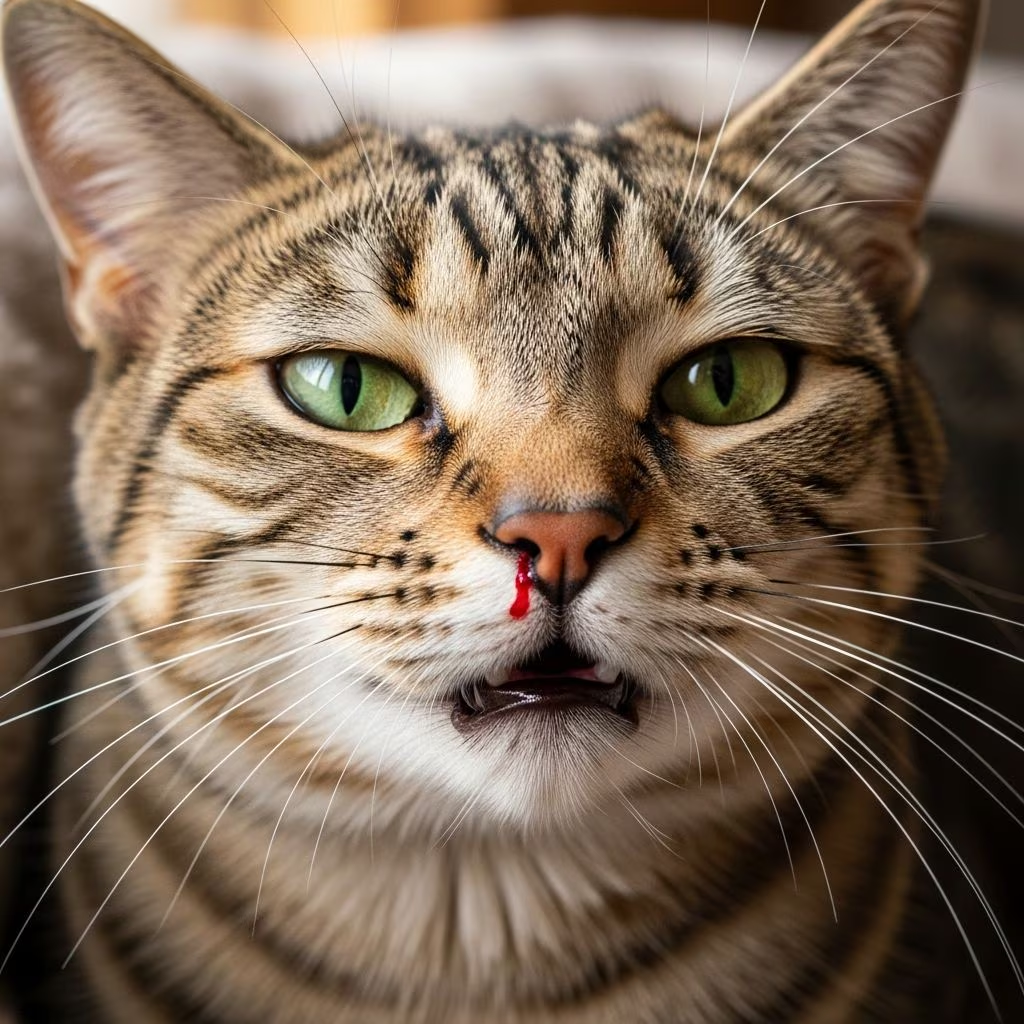
Blood-tinged sneezes in cats signal potential health concerns ranging from minor irritations to life-threatening conditions. Prompt veterinary evaluation is essential to identify and address the underlying issue effectively.
Recognizing the Signs of Feline Nasal Bleeding
When a cat sneezes blood, known medically as epistaxis, it involves hemorrhage from the nasal passages or sinuses leaking through the nostrils. This can appear as bright red streaks in discharge or more profuse bleeding, often accompanied by sneezing fits due to irritation. Owners may notice blood on bedding, fur, or paws, and cats might swallow some, leading to dark stools or vomiting blood clots, which mimics gastrointestinal issues but stems from nasal sources.
- Bloody nasal discharge: Fresh red blood or mixed with mucus.
- Frequent sneezing: Persistent bouts irritating nasal tissues further.
- Facial swelling or pawing: Indicating pain or obstruction.
- Lethargy and appetite loss: Suggesting systemic illness.
- Labored breathing: If passages are blocked.
Isolated minor spots might resolve alone, but recurring or heavy bleeding demands immediate attention, as delays can worsen outcomes.
Primary Causes Behind Cat Sneezing Blood
Several factors contribute to epistaxis in cats, categorized by infection, trauma, systemic diseases, and environmental triggers. Understanding these helps in early recognition.
Infectious Agents Targeting the Respiratory Tract
Upper respiratory infections (URIs) top the list, driven by viruses like feline herpesvirus and calicivirus, highly contagious in multi-cat settings such as shelters. These cause nasal inflammation, ulcers, and erosions leading to bloody discharge. Bacterial superinfections often follow, necessitating antibiotics alongside supportive care.
Fungal invaders, notably Cryptococcus neoformans, thrive in immunocompromised cats or those inhaling spores outdoors. Symptoms include chronic sneezing, swelling, and tissue destruction.
Trauma and Physical Injuries
Facial injuries from fights, falls, or vehicular accidents damage delicate nasal vessels, prompting immediate bleeding and sneezing. Scratches or punctures from claws exacerbate the issue.
Clotting and Hematologic Disorders
Impaired coagulation from rodenticides (anticoagulants like those in rat poisons), liver dysfunction, or viruses such as FeLV and FIV reduces platelet function, causing spontaneous bleeds. Inherited conditions like hemophilia or immune-mediated thrombocytopenia also play roles. Blood tests confirm low platelets or prolonged clotting times.
Hypertension and Vascular Fragility
High blood pressure, common in older cats with kidney disease or hyperthyroidism, strains nasal vessels until they rupture. Stress amplifies this risk, leading to recurrent episodes.
Tumors, Polyps, and Growths
Nasal tumors (benign polyps or malignant like lymphoma) or sinus masses irritate and erode tissues, causing chronic bloody sneezes. Dental root infections can erode into nasal areas too.
Foreign Bodies and Irritants
Inhaled grass awns, seeds, dust, pollen, or insects lodge in nasal cavities, provoking trauma and hemorrhage through vigorous sneezing.
| Cause Category | Examples | Key Risk Factors |
|---|---|---|
| Infections | URI viruses, fungi | Multi-cat homes, outdoors |
| Trauma | Fights, accidents | Outdoor cats, play injuries |
| Clotting Issues | Rat poison, FeLV/FIV | Toxin exposure, immunosuppression |
| Hypertension | Kidney disease | Senior cats, untreated conditions |
| Growths | Tumors, polyps | Age, breed predispositions |
| Foreign Objects | Grass seeds, dust | Curious sniffing behaviors |
When to Rush to the Vet: Emergency Indicators
Not every speck of blood requires panic, but these red flags necessitate same-day care:
- profuse or bilateral bleeding.
- Sneezing persisting over 24 hours.
- Accompanying fever, dehydration, or weakness.
- Recent toxin exposure or trauma history.
Swallowed blood risks aspiration pneumonia or anemia, underscoring urgency.
Veterinary Diagnostic Approaches
Vets employ a stepwise protocol to pinpoint causes. Initial history covers toxin exposure, recent fights, medications (e.g., NSAIDs worsening clotting), and environmental factors like foxtails.
Physical exams check for trauma, swelling, or oral issues. Diagnostics include:
- Bloodwork: CBC for platelets/anemia, clotting profiles, FeLV/FIV tests.
- Imaging: X-rays, CT scans for masses or fluid.
- Rhinoscopy: Endoscopy to visualize and retrieve foreign bodies.
- Cultures/Biopsies: For infections or tumors.
- Blood Pressure: To rule out hypertension.
Treatment Strategies for Bloody Sneezes
Tailored to the diagnosis:
- Infections: Antivirals, antibiotics, antifungals; nebulization for relief.
- Clotting Disorders: Vitamin K1 for rodenticides, transfusions if severe.
- Trauma: Cleaning, pain meds, surgery if needed.
- Hypertension: ACE inhibitors or beta-blockers.
- Tumors: Surgery, radiation, chemo based on type.
- Foreign Bodies: Extraction via scoping.
Supportive measures like fluids, anti-inflammatories, and appetite stimulants aid recovery. Hospitalization applies for heavy bleeders.
Preventing Recurrence of Nasal Bleeding
Proactive steps minimize risks:
- Vaccinate against URI viruses.
- Keep rodenticides inaccessible; use pet-safe alternatives.
- Supervise outdoor time to avoid fights/inhalants.
- Regular senior wellness checks for hypertension screening.
- Maintain dental hygiene to prevent root abscesses.
Test and isolate FeLV/FIV carriers in multi-cat homes.
Frequently Asked Questions
Is cat sneezing blood always an emergency?
No, minor one-off incidents might self-resolve, but persistent or heavy cases are urgent. Consult a vet promptly.
Can allergies cause bloody sneezes in cats?
Rarely directly, but severe irritation from allergens can lead to tissue damage and minor bleeding alongside infections.
How does rat poison affect cats?
It blocks vitamin K, impairing clotting, leading to internal/external bleeds. Antidotes exist if treated early.
What home remedies help sneezing cats?
Humidifiers ease congestion, but never delay professional diagnosis for blood-involved cases.
Do older cats sneeze blood more often?
Yes, due to hypertension, tumors, and chronic diseases.
Long-Term Monitoring After Treatment
Post-treatment, track for recurrence via home logs of sneeze frequency and discharge. Schedule follow-ups with imaging or bloodwork as advised. Nutritional support with omega-3s bolsters immunity, and stress reduction via enrichment prevents hypertension flares.
References
- What to Do If Your Cat Is Sneezing Blood — Cats.com. 2023. https://cats.com/cat-sneezing-blood
- What to Do if Your Cat is Sneezing Blood — Glenwood Pet Hospital. 2023. https://glenwoodpethospital.com/blog/what-to-do-if-your-cat-is-sneezing-blood/
- Nose Bleeds (Epistaxis) in Cats — VCA Animal Hospitals. 2023. https://vcahospitals.com/know-your-pet/nose-bleeds-or-epistaxis-in-cats
- Why Is My Cat Sneezing? — PetMD. 2023. https://www.petmd.com/cat/symptoms/cat-sneezing
- Why Is My Cat Sneezing? — Trudell Animal Health. 2023. https://trudellanimalhealth.com/blogs/blog/why-is-my-cat-sneezing



