

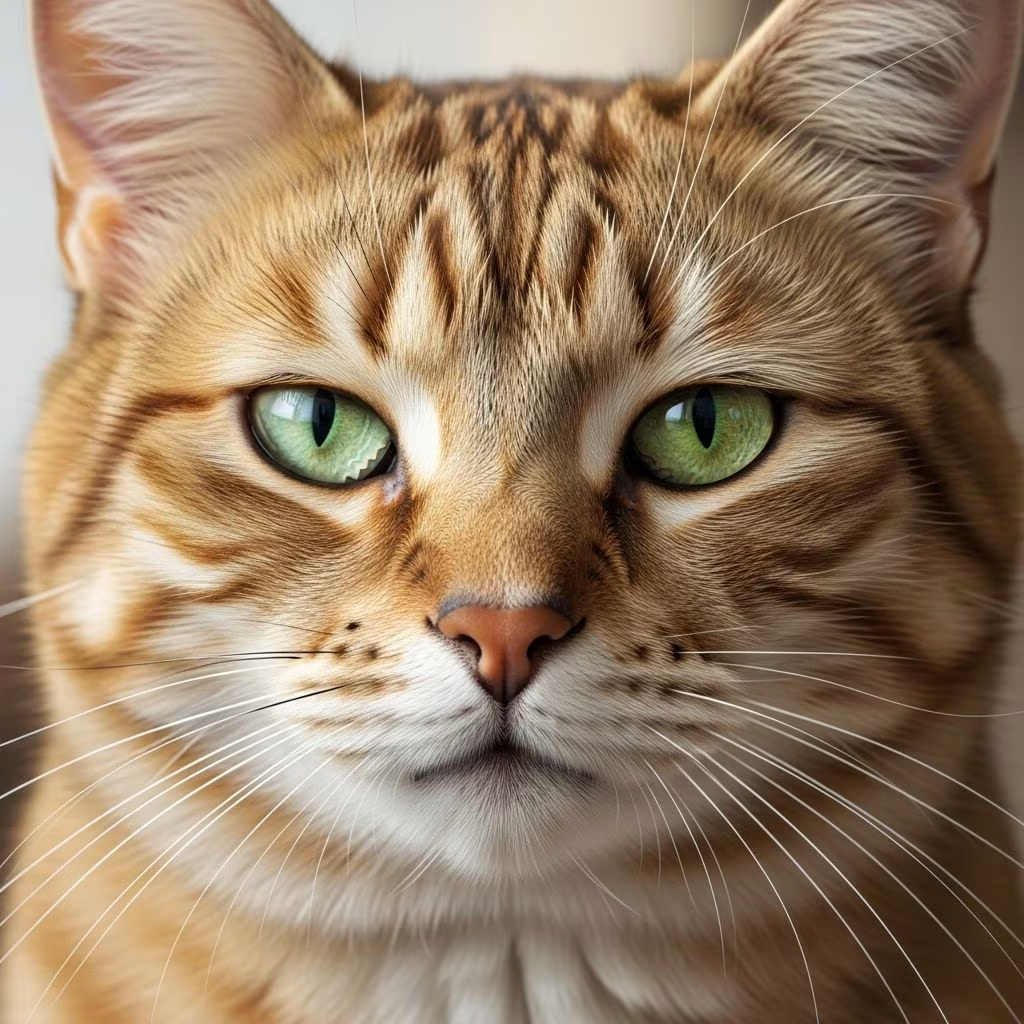
Many cat owners have wondered whether their feline companions can genuinely smile like humans do. The answer is more nuanced than a simple yes or no. While cats don’t produce smiles in the human sense, they possess an extraordinarily sophisticated system of facial expressions that convey complex emotions and intentions. Recent scientific research has revealed that cats utilize up to 276 distinct facial expressions through a combination of 26 unique facial movements, demonstrating that their non-verbal communication rivals that of many other intelligent species.
The Science Behind Feline Facial Expressions
Cats communicate through a highly developed facial language system that involves multiple facial features working in concert. Unlike human smiles, which typically indicate happiness or friendliness, cat facial expressions are far more varied and subtle. Researchers studying feline behavior have discovered that cats employ sophisticated combinations of movements involving their ears, eyes, whiskers, lips, and nose to convey different emotional states and social intentions.
The complexity of cat facial expressions surprised many researchers who initially believed cats had a more limited range of communicative facial displays. Each of the 276 identified expressions represents a specific combination of approximately four distinct facial movements, creating a rich vocabulary of non-verbal communication. This system allows cats to express everything from contentment and curiosity to stress, fear, and aggression.
The Anatomy of a Happy Cat’s Face
When a cat experiences contentment and relaxation, several specific facial features align to create what many owners interpret as a smile-like expression. The components of a genuinely happy cat’s face include:
- Eyes: Relaxed and partially closed or engaged in slow blinking, indicating deep trust and comfort
- Ears: Soft and rounded, positioned forward and facing the direction of attention, signaling a sense of safety
- Whiskers: Relaxed and gently curved, pointing slightly sideways rather than rigidly forward
- Mouth: Naturally closed with a neutral expression, sometimes appearing to form a subtle curved shape reminiscent of a human smile
- Overall posture: Body stretched out comfortably or curled in a loose loaf position, indicating muscular relaxation
The slow blink, in particular, represents one of the most significant indicators of feline contentment and trust. When a cat slowly closes and opens their eyes while looking at you, they are essentially communicating “I feel safe with you.” This behavior is so reliable that cat behaviorists recommend slow blinking back at your cat as a direct way to reciprocate affection and deepen your bond.
Reading the Slow Blink: The Feline Expression of Love
The slow blink deserves special attention in any discussion of cat facial communication. This expression, where a cat’s eyes gradually close and then reopen, represents the feline equivalent of a human smile or hug. Unlike the rapid blinks humans use for vision, the slow blink is a deliberate, intentional movement that cats perform as a gesture of trust and affection.
When your cat engages in slow blinking while looking directly at you, they are essentially saying, “I trust you and feel comfortable in your presence.” This behavior is particularly powerful because it demonstrates vulnerability—a cat’s eyes are precious sensory organs, and deliberately closing them signals that they don’t feel threatened. The slow blink serves multiple functions in feline social dynamics, including conflict de-escalation and bonding reinforcement.
Many cat owners discover that responding with their own slow blinks can significantly impact their relationship with their pets. This reciprocal slow blinking creates a positive feedback loop of trust and affection, strengthening the emotional connection between human and cat. It’s one of the most effective tools available for building a deeper understanding with your feline companion.
Beyond Happiness: The Full Spectrum of Cat Emotions
While the relaxed, content expression might resemble a smile, cats display many other emotional states through their faces. Understanding this broader emotional palette is crucial for any cat owner seeking to provide appropriate care and respond appropriately to their pet’s needs.
The Alert and Curious Expression
When cats encounter something interesting in their environment, their faces transform to reflect heightened attention and focus. The alert expression includes perked and forward-facing ears, wide eyes with small pupils, and whiskers positioned forward and slightly forward. The head is often held high or tilted, and the tail stands upright with a slight twitch at the tip. This expression indicates that a cat is engaged and interested, not necessarily stressed, but rather channeling their natural hunting instincts.
Stress and Anxiety Signals
Stressed cats display distinctly different facial characteristics that owners should recognize quickly. The stressed cat expression features flattened or rotated-backward ears, wide eyes with pupils that may be either dilated or narrowed, and whiskers that become stiff and either point forward or get pinned back against the head. The overall facial tension increases noticeably, and the body often adopts a low or arched posture. Additional signs may include low growls, hissing, or a swishing tail that indicates discomfort.
Stress in cats can originate from numerous sources including loud noises, unfamiliar people, other pets, or underlying health discomfort. Recognizing these facial signals allows owners to identify stressors early and make environmental adjustments to improve their cat’s welfare.
Aggression and Conflict Expressions
When cats prepare for conflict, their faces display very specific signals designed to intimidate or warn potential rivals. An aggressive cat typically presents a hard, unblinking stare, with ears held forward but with visible tension throughout the facial muscles. The pupils narrow considerably, and the whiskers point forward in an exaggerated manner. The overall expression becomes rigid and intense, often accompanied by a puffed tail and stiffened body posture.
These aggressive displays serve important functions in feline hierarchies. Cats often use facial expressions to resolve conflicts without physical contact, relying on the intensity of their stare and the clarity of their signals to either intimidate a rival or de-escalate through mutual recognition of dominance status. Understanding these signals helps owners prevent dangerous confrontations and recognize when their cat is feeling threatened or defensive.
The Language of Affection and Bonding
Beyond contentment, cats express affection through specific facial features and behaviors. An affectionate cat displays slow blinks or soft, relaxed eyes while gazing at their human companion. The ears lean slightly toward the person, creating an appearance of focused attention. Whiskers appear relaxed and slightly fanned outward, and the cat may perform bunting—pressing their head into your hand or body—which combines scent-marking with affection in a single gesture.
Affection in cats isn’t limited to physical touch; it’s clearly written across their facial features. Responding to these signals with soft speech, gentle petting, and reciprocal slow blinking builds trust and deepens the bond between owner and cat. This mutual communication creates a foundation for a healthy, trusting relationship.
Facial Expressions and Pain Indicators
One of the most important reasons to understand cat facial expressions is the ability to recognize pain or illness. A healthy, comfortable cat displays relaxed open eyes, ears facing forward, a relaxed muzzle, and loose, gently curved whiskers. In contrast, a cat experiencing pain shows distinctly different facial characteristics including squinting eyes, ears that are flattened and rotated outward, visible tension in the muzzle region, and whiskers that become stiff and point forward.
Cats are notorious for masking illness and discomfort, often due to survival instincts that discourage them from showing weakness. Consequently, careful observation of subtle facial changes becomes essential for early detection of health problems. If you notice prolonged changes in your cat’s facial expression or a shift toward more tense, uncomfortable-appearing features, veterinary consultation is warranted.
Comparing Feline and Human Communication
| Emotional State | Facial Features | Body Language |
|---|---|---|
| Content and Relaxed | Half-closed eyes, soft ears forward, relaxed whiskers | Stretched body or comfortable curl |
| Alert and Curious | Wide eyes with small pupils, perked forward ears, forward whiskers | Crouched or pouncing ready posture |
| Stressed or Aggressive | Flattened ears, narrowed or dilated eyes, tense whiskers | Low stance or arched back, vocalizations |
| Affectionate | Slow blinks, soft eyes, gentle head nudges | Calm rubbing and relaxed body |
Frequently Asked Questions About Cat Smiles and Expressions
Can cats actually smile like humans?
Cats don’t produce genuine smiles in the human sense, but their relaxed, content face with half-closed eyes and forward ears can appear smile-like. This expression, combined with the slow blink, communicates contentment and trust in ways that parallel human smiles functionally.
What does it mean when a cat squints at me?
A cat squint is a slow blink, representing one of the highest signs of feline trust and affection. It means your cat feels safe with you. Responding with your own slow blinks reinforces this positive communication.
How many different facial expressions do cats have?
Research has identified 276 distinct facial expressions in cats, created through combinations of 26 unique facial movements. This complexity demonstrates that cats possess sophisticated non-verbal communication comparable to many other highly intelligent species.
What indicates a stressed cat?
Flattened ears, dilated pupils, stiff whiskers, and visible facial tension all indicate a stressed cat. These signs may be accompanied by low growls or a swishing tail.
How should I respond to my cat’s affectionate expressions?
Respond with soft speech, gentle petting, and reciprocal slow blinking. These responses build trust and deepen your emotional connection with your cat.
Can I tell if my cat is in pain from their face?
Yes. Cats in pain display squinting eyes, flattened ears rotated outward, tension in the muzzle, and stiff forward-pointing whiskers. If you notice these signs, consult your veterinarian.
Building a Stronger Bond Through Facial Communication Understanding
Understanding the nuances of feline facial expressions transforms how you interact with your cat. Rather than expecting human-like smiles, you can recognize and appreciate the sophisticated emotional language your cat uses daily. Learning to interpret these signals allows you to respond appropriately to your cat’s needs, whether they’re expressing contentment, seeking affection, indicating stress, or signaling potential health concerns.
The journey toward fluent feline facial communication begins with careful observation. Pay attention to your cat’s ear positions, eye movements, whisker orientations, and overall facial tension throughout the day. Notice patterns related to specific situations—how their face changes when you come home, when they’re playing, when a stranger arrives, or when they’re preparing to eat. Over time, you’ll develop an intuitive understanding of what your cat is communicating through their face.
This deepened communication creates a feedback loop of better understanding and stronger bonding. Your cat will recognize that you’re responding appropriately to their emotional states, leading to increased trust and a more harmonious household. In essence, by learning to read your cat’s smile—even though it doesn’t look like a human smile—you’re learning their language and demonstrating that you care enough to understand them on their terms.
References
- Cats have nearly 300 facial expressions — Science Magazine (AAAS). 2024. https://www.science.org/content/article/cats-have-nearly-300-facial-expressions
- Cat Facial Expressions and Emotions Explained — The Refined Feline. 2024. https://www.therefinedfeline.com/cat-face-expressions-101-understanding-different-cat-emotions/
- Common Cat Facial Expressions And What They Mean — FELIWAY. 2024. https://www.feliway.co.uk/blogs/news/common-cat-facial-expressions-and-what-they-mean
- A guide to a cat’s facial expressions — Cat in a Flat. 2024. https://catinaflat.com/blog/what_cats_facial_expressions_mean
- Cat Face Expressions 101 – Understanding Different Cat Emotions — Catastrophic Creations. 2024. https://www.catastrophicreations.com/blogs/articles/understanding-cat-face-expressions



