

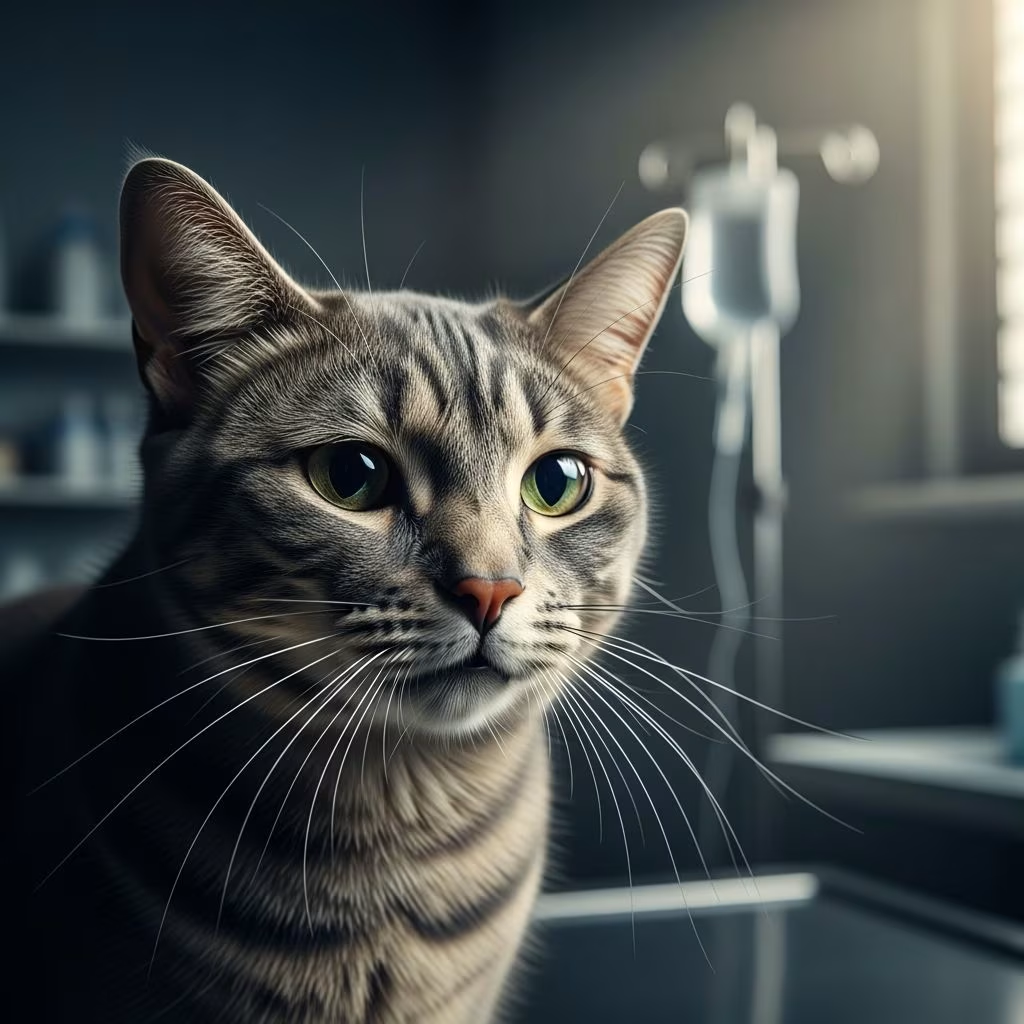
A foul, death-like odor emanating from your cat is not normal and often points to underlying medical emergencies. This pungent smell, resembling decay or ammonia, can originate from the mouth, body, rear end, or urine, signaling issues like advanced dental disease, kidney failure, or infected wounds. Prompt veterinary attention is essential, as these conditions can progress rapidly and become life-threatening.
Recognizing the Severity of Foul Odors in Cats
Cats are naturally fastidious groomers, maintaining a clean scent through constant licking and preening. When their body produces a rotting or corpse-like smell, it disrupts this balance and indicates bacterial overgrowth, toxin buildup, or tissue breakdown. Owners often notice this odor intensifying over days or weeks, accompanied by changes in behavior like lethargy, reduced appetite, or excessive licking.
Distinguishing odor types helps pinpoint sources: ammonia-like breath suggests kidney issues, fishy rear smells anal gland problems, and general decay points to oral or skin infections. Early detection through daily checks—sniffing breath during play or inspecting the rear after litter box use—can prevent escalation.
Primary Culprits Behind the Death-Like Smell
Several conditions commonly cause this alarming scent. Understanding them empowers owners to act swiftly.
Dental and Oral Infections: The Leading Offender
Dental disease affects up to 70% of cats over age two, leading to plaque buildup, tartar, and gum inflammation that foster bacteria producing putrid odors. Advanced cases involve tooth root abscesses or feline chronic gingivostomatitis, where ulcers and lesions bleed and infect, creating a rotting meat smell.
- Symptoms: Drooling, pawing at mouth, loose teeth, facial swelling.
- Risks: Pain causes eating avoidance, leading to weight loss and malnutrition.
- Diagnosis: Vet exam under anesthesia reveals hidden abscesses via X-rays.
Periodontitis erodes tooth roots, allowing bacteria into the bloodstream, potentially causing systemic odor as infection spreads.
Kidney Disease and Uremic Breath
Chronic kidney disease (CKD) impairs waste filtration, causing urea accumulation that breaks down into ammonia, giving breath a sharp, death-like tang. In end-stage renal failure, this uremic fetor intensifies, often with mouth ulcers from toxin irritation.
- Common in: Senior cats, with symptoms like increased thirst, frequent urination, vomiting.
- Urgency: Untreated, it leads to fatal toxin buildup.
Overweight or large-breed cats face higher incontinence risks, where urine soaks fur, amplifying the smell.
Anal Gland Disorders: Fishy Decay from the Rear
Two sacs near the anus produce oily fluid for scent marking. Blockages cause impaction, infections, or abscesses that rupture, releasing pus with a foul, necrotic odor mistaken for death smell.
- Triggers: Soft stools, obesity, allergies preventing natural expression during defecation.
- Signs: Scooting, rear licking, blood or pus around anus.
Vets manually express glands; recurrent cases may need antibiotics, diet changes, or surgical removal.
Secondary Sources of Disturbing Cat Odors
Beyond primaries, other issues contribute to pervasive smells.
Skin and Wound Infections
Bacterial or yeast overgrowth on skin, often from fleas, allergies, or trauma, produces cheesy or rotten odors. Abscesses from fights fester, mimicking gangrene scent.
| Condition | Symptoms | Treatment |
|---|---|---|
| Bacterial Dermatitis | Red, itchy patches; hair loss | Antibiotics, medicated shampoos |
| Abscess | Swollen, draining lumps | Lancing, drainage, pain meds |
| Yeast Infection | Greasy fur, black debris | Topical antifungals |
Urinary Tract and Incontinence Problems
UTIs cause strong-smelling urine that lingers on fur, especially in incontinent cats. Blockages, common in males, build toxins rapidly, demanding emergency care.
- Indicators: Straining to urinate, bloody urine, genital licking.
Digestive Disturbances and Diet Effects
Diarrhea from parasites, food intolerances, or IBD soils rear fur, trapping odors. Poor diets high in fish or grains worsen feces stench; raw or high-quality proteins reduce it.
Step-by-Step Home Assessment Guide
Before rushing to the vet, safely evaluate:
- Isolate the source: Check mouth (use treats to open), sniff ears/skin, inspect rear/genitals.
- Observe habits: Note litter box frequency, stool consistency, grooming changes.
- Monitor vitals: Feel for fever (warm ears), check gums for pallor.
- Bathe gently: Use vet-safe wipes on soiled areas; avoid full baths unless necessary.
Never force mouth opening or probe glands—risk injury.
Professional Diagnosis and Treatment Pathways
Vets start with physical exams, progressing to bloodwork for kidney/liver function, urinalysis for UTIs, dental X-rays, and cultures for infections.
- Dental: Cleaning, extractions under anesthesia.
- Kidney: Fluid therapy, diet prescription, medications.
- Anal glands: Expression, flushing, surgery if chronic.
Preventives include annual checkups, dental diets, fiber-rich food for gland health.
FAQs: Common Questions on Foul Cat Smells
Q: Can diet alone fix a death-like smell?
A: No, diet aids prevention but not treatment of infections or disease.
Q: Is the smell always an emergency?
A: Ammonia breath or anal rupture yes; mild changes warrant a vet visit soon.
Q: How to clean a smelly cat safely?
A: Warm water wipes with pet shampoo; focus on affected areas daily.
Q: Does neutering stop anal gland smells?
A: It reduces spraying but not impaction issues.
Q: What if my cat hides the smell?
A: Behavioral changes like hiding signal pain; seek vet care immediately.
Preventing Odor Issues Long-Term
Proactive care minimizes risks: Brush teeth weekly, provide dental chews, maintain ideal weight, use high-meat diets, and scoop litter daily. Regular grooming for longhairs prevents fecal buildup. Vaccinations and parasite control curb infections.
Monitor seniors closely, as age heightens disease susceptibility. Early intervention restores health and eliminates odors effectively.
References
- Why Does My Cat Smell Bad? Cat Odors Explained — AmeriVet Veterinary Partners. 2023-05-15. https://amerivet.com/blog/why-does-my-cat-smell-bad-cat-odors-explained
- Why does my cat smell? — Vet Help Direct. 2023-03-10. https://vethelpdirect.com/vetblog/2023/03/10/why-does-my-cat-smell/
- Why Does My Cat Smell Bad? When To Be Concerned — Kinship. 2024-02-20. https://www.kinship.com/cat-health/why-does-my-cat-smell-bad
- My Cat Smells Bad: What to Do About Smelly Cat Odor — Animal Hearted. 2023-11-08. https://www.animalhearted.com/blogs/cats/smelly-cat-body-odor
- Smelly Cat, Smelly Cat: Common Causes Of Feline Odors — Sun Vet Animal Wellness. 2019-09-01. https://www.sunvetanimalwellness.com/2019/09/smelly-cat-ashevilles-holistic-vet-reveals-common-causes-of-feline-odor/



