

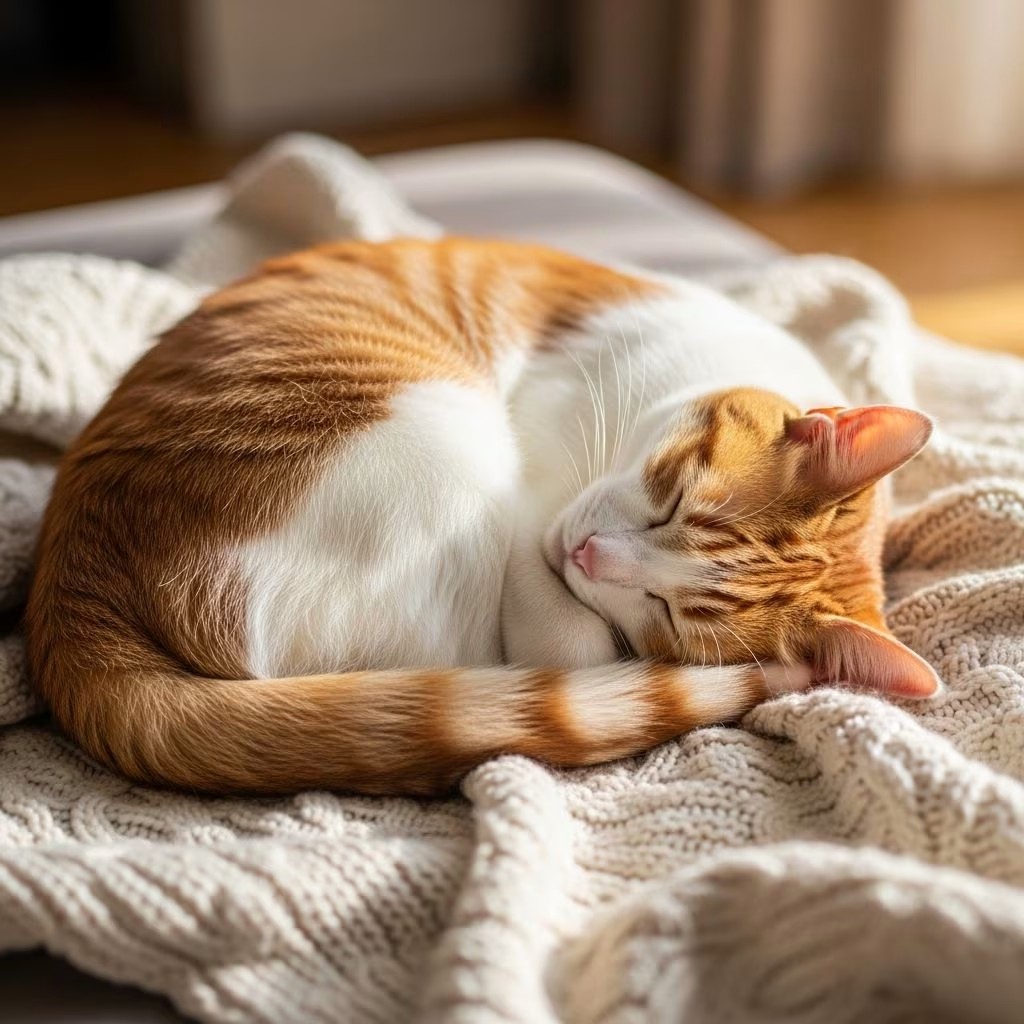
Cats are renowned for their extensive sleeping habits, often clocking 12-18 hours of sleep per day. Their choice of sleeping position offers valuable insights into their mood, comfort level, trust in their environment, and even potential health concerns. From the classic curled-up ball to the vulnerable belly-up pose, each position reflects a blend of instinct, relaxation, and readiness. Understanding these positions helps cat owners foster a safer, more comfortable home and strengthen the bond with their feline companions. This guide covers the most common cat sleeping positions, drawing from veterinary insights and behavioral observations.
Why Do Cats Sleep in Different Positions?
Cats’ sleeping positions are influenced by evolutionary instincts from their wild ancestors. Wild cats like lions and tigers curl up to conserve heat and protect vital organs while remaining poised for quick escapes. Domestic cats retain these behaviors, adapting them to cozy homes. Positions also indicate temperature regulation—curling up in cold weather, stretching out in warmth—and emotional states, such as trust when exposing the belly. Veterinary experts note that unusual positions or sudden changes can signal stress, pain, or illness, warranting a vet visit.
Common Cat Sleeping Positions
Here’s a detailed breakdown of popular cat sleeping positions, including what they mean and when to notice them.
1. Curled Up or Crescent
The curled-up position, also called the crescent, is the most common. Your cat tucks its tail around its body, nose to tail, forming a tight ball. This pose conserves body heat by minimizing exposed surface area and shields vital organs with muscle and fur. It’s instinctive for warmth, especially in cooler environments, and signals a cat feeling chilly, tired, or seeking solitude. You’ll often see this during daytime naps in quiet corners or enclosed beds. While cozy, frequent curling might indicate your home is too cold—consider adding heated cat beds.
2. Belly Up
When a cat sleeps on its back with paws in the air and belly exposed, it’s a profound sign of trust and relaxation. The abdomen is a cat’s most vulnerable area, so this position means they feel utterly safe in their surroundings. Paws may dangle oddly, emphasizing deep comfort. However, resist the urge to rub their belly—most cats will instinctively defend it with bites or scratches, even asleep. This pose is common in secure, loving homes and among confident cats.
3. The Loaf (or Sphinx)
Resembling a loaf of bread, this position features front paws tucked under the body, head upright, and hind legs folded. It’s a balance of relaxation and vigilance: cats conserve heat, protect organs, but can spring up instantly. Eyes often half-close as they doze, ready for action. The loaf is ideal for short naps in moderately safe spots like windowsills or your lap, indicating contentment without full vulnerability.
4. Side Sleeping
Lying stretched on one side with limbs extended signals total relaxation and deep sleep. This exposes the belly somewhat but shows no alertness needed. Paws may curl gently or rest on the floor. Cats enter REM sleep here, sometimes twitching as they dream. It’s a green flag for a stress-free environment, perfect for sunny spots or soft blankets.
5. Superman Pose
In the Superman (or sphinx stretch), cats lie on their belly with front legs stretched forward and back legs extended behind, like flying. This keeps the belly protected while allowing quick movement. It’s relaxed yet prepared, often on warm surfaces like blankets or tiles for cooling. Playful cats adopt this before pouncing from sleep.
6. Sitting Upright
A cat dozing while seated upright, sometimes with tail draped over paws and belly exposed, shows supreme confidence. It supports back muscles and eases grooming. Sessions are short (under 20 minutes), as it’s a ‘ready-for-anything’ pose blending rest with vigilance.
7. Paws Under Chin (Tucked)
Similar to loafing but with paws delicately under the chin, this is pure contentment. It protects the face while relaxing, common during light dozes on laps or perches.
8. In a Box or Enclosed Space
Cats cram into boxes or bags for security, mimicking dens. This induces deep sleep by blocking light and providing walls. New pets or stressed cats favor this for hiding.
9. At Your Feet or Between Legs
Sleeping at your feet offers mutual warmth and protection. It’s territorial marking and bonding, with the cat alerting you to threats.
10. On You (Chest, Lap, Head)
Cuddling on your chest or head signifies deep affection and security. They share your heartbeat’s rhythm, strengthening bonds.
11. Perched High Up
High spots like shelves allow oversight of territory, blending safety with rest. Instinctual for wild cats scanning for prey or danger.
12. Stretched Out Flat
Fully extended on cool floors dissipates heat in warm weather. Indicates comfort and no threats perceived.
13. Twisted or Odd Angles
Contorted poses during deep sleep show trust; not discomfort unless accompanied by whining.
14. Paws Over Eyes
Hiding face blocks light for undisturbed deep sleep or adds warmth.
15. Half-Loaf Variation
One paw tucked, one out—semi-alert relaxation.
16. Fetal Position
Tighter curl than crescent for extreme cold or stress.
17. Legs Behind (Frog Pose)
Hind legs splayed back while front tucked—ultimate chill mode.
18. Head Hanging Off Edge
Dramatic flop for cooling; confident in stability.
19. Burrowed Under Blankets
Seeking warmth and enclosure, like wild dens.
20. Alert Doze (Eyes Open)
Seemingly asleep but watching—mild unease.
What Your Cat’s Sleeping Position Says About Their Health
Positions can flag issues: frequent tight curls might mean pain or cold; avoiding stretch poses could indicate arthritis. Belly-up refusal signals stress. Monitor changes and consult vets. Provide options like heated beds, scratching posts near sleep spots, and quiet zones.
| Position | Mood/Meaning | Health Tip |
|---|---|---|
| Curled Ball | Warmth, caution | Check room temp |
| Belly Up | Trust, relaxed | Respect space |
| Loaf | Content, alert | Good sign |
| Side Sleep | Deep rest | Ensure softness |
| Superman | Play-ready | Warm surface |
Frequently Asked Questions (FAQs)
Why does my cat sleep belly up?
This shows complete trust and safety in their environment, exposing their vulnerable belly.
What does the loaf position mean for cats?
It indicates relaxation with readiness to act, preserving heat and protecting organs.
Is it bad if my cat always curls up tightly?
Not necessarily, but persistent tight curls could signal cold or discomfort—warm their space.
Why do cats sleep on their owners?
For bonding, warmth, and security; it’s a sign of love and territory claiming.
How much should cats sleep?
Kittens and seniors: 18-20 hours; adults: 12-16 hours daily.
Should I worry about weird sleeping positions?
Usually not—they indicate deep trust. Watch for signs of pain like limping.
References
- Cat Sleeping Positions — Turmerry. 2023. https://www.turmerry.com/blogs/dreamerry/cat-sleeping-positions
- Cat Sleeping Positions and What They Mean — Saatva. 2024-01-15. https://www.saatva.com/blog/cat-sleeping-positions/
- Cat Sleeping Positions and What They Mean — The Refined Feline. 2023. https://www.therefinedfeline.com/cat-sleeping-positions-and-what-they-mean/
- 20 Cat Sleeping Positions and What They Mean — PetMD. 2024. https://www.petmd.com/cat/general-health/cat-sleeping-positions-and-what-they-mean
- 10 Cat Sleeping Positions: What Do They Mean? — Purina US. 2023. https://www.purina.com/articles/cat/behavior/understanding-cats/cat-sleeping-positions
- Vet 2025 Guide: Cat Sleeping Positions & What They Mean — Ask A Vet. 2025. https://askavet.com/blogs/news/vet-2025-guide-cat-sleeping-positions-what-they-mean-instinct-comfort-health-%F0%9F%90%B1%F0%9F%9B%8C



