

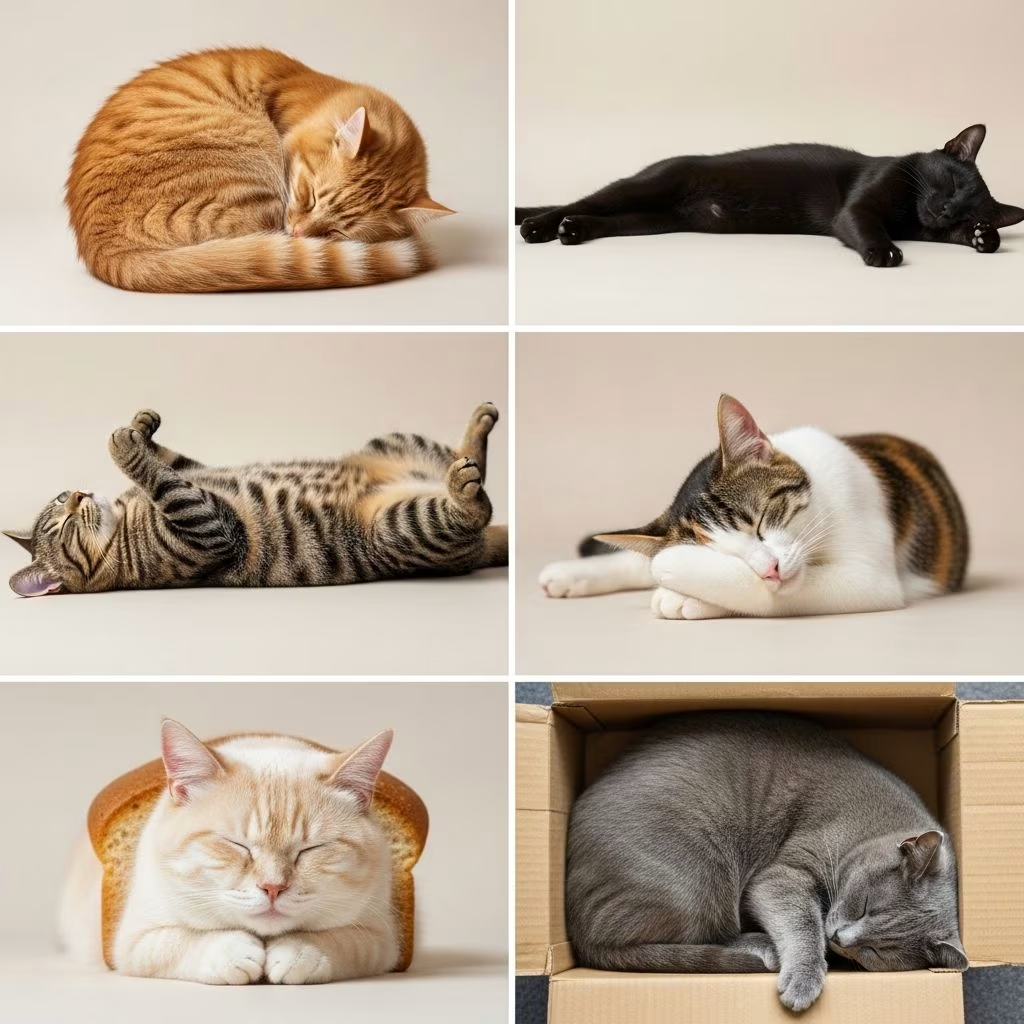
Understanding Your Cat’s Sleeping Positions and What They Reveal
Cats are known for their mysterious and quirky behaviors, and their sleeping habits are no exception. If you’ve ever wondered why your feline companion chooses certain positions when they sleep, you’re not alone. Understanding cat sleeping positions can provide valuable insights into your pet’s emotional state, comfort level, and overall health. Cats spend approximately 70% of their lives sleeping, making their rest patterns a significant part of their daily routine. By learning to decode these positions, you can better understand your cat’s needs and strengthen your bond with them.
The Curled-Up Ball Position
One of the most iconic cat sleeping positions is the curled-up ball, where your cat tucks their body into a tight circle with their tail wrapped around themselves. This position is instinctively seeking warmth and safety, drawing on evolutionary habits developed to conserve energy and stay protected. When cats curl up this way, they’re essentially creating a compact, defensive posture that protects their vital organs from potential threats.
This sleeping position often indicates that your cat feels vulnerable or is experiencing cooler temperatures. Cats naturally seek out warm environments, and the curled-up position helps them retain body heat more efficiently. You’ll frequently notice your cat adopting this position during winter months, in air-conditioned rooms, or when they’re feeling anxious. The tightly wrapped tail provides additional insulation and protection.
While this position shows your cat is prioritizing safety and warmth, it doesn’t necessarily mean something is wrong. Many cats simply prefer this cozy arrangement, especially when they’re settling in for a longer sleep session. However, if your cat is constantly in this position and rarely stretches out, it might indicate they’re feeling stressed or unwell.
The Stretched-Out Position
In stark contrast to the curled-up ball, the stretched-out position is when your cat lies on their side with their limbs extended. This position demonstrates that your cat is comfortable and feels safe in their environment. A cat lying on its side with limbs stretched out is comfortable and feels safe in its environment. This position shows that your cat trusts you and the space around them.
When cats adopt this vulnerable position, they’re showing significant trust because they’re fully exposed and cannot quickly defend themselves. This sleeping posture requires your cat to feel secure enough to let their guard down completely. If your cat frequently sleeps stretched out around you or in common areas of your home, it’s a clear indicator that they feel safe and content in their environment.
The stretched-out position also allows cats to cool down more effectively since they’re not trapping body heat. You’ll often see cats sleeping this way on cooler tile floors, near windows, or on top of furniture where air circulates freely. This position is a sign of a confident, relaxed cat that isn’t experiencing immediate stress or anxiety.
Sleeping on Your Bed
Many cat owners experience the delightful phenomenon of their feline companion choosing to sleep on their bed, often directly on the owner themselves. When cats sleep on you, it’s for several interconnected reasons. Cats sleep on you for warmth, to mark territory, for security, and as a bonding exercise. Your bed represents the safest, warmest place in the home, especially when you’re in it.
The warmth factor cannot be overstated. A cat’s normal temperature falls around 102 degrees Fahrenheit. By snuggling up to you, they’re able to maintain that temperature without much effort. This explains why cats like to snooze in sunny windows or crammed into boxes. When it comes to sleep, warmth is more important than comfort for cats.
Beyond warmth, when your cat sleeps on you, they’re marking you and your bed as theirs. Cats are territorial creatures that claim their turf by marking it with their scent. So when they sleep on top of you, they’re actually marking you as part of their territory. This behavior begins in kittenhood and becomes a lifelong habit.
Sleeping on Your Head or Face
If your cat has a preference for sleeping directly on your head or near your face, you should feel flattered. This is a clear sign that your cat prefers your presence and trusts you completely. When a cat sleeps on your head, it’s an indication of trust, since a cat is most vulnerable to predators when they are sleeping. The top of your head may be where they feel the safest; they’re trusting you to keep them from harm.
Several factors contribute to this particular sleeping preference. First, human heads contain sweat and oil glands that carry your unique scent. Your cat may prefer to be closest to the part of you that has the strongest scent. When the cat rubs on your head, your scent transfers to the cat. Your scent may make the cat feel safe and secure or provide them with a sense of belonging.
Additionally, your cat might be drawn to the sounds of your body. They may lay on your chest or head because they’re comforted by the sounds of your rhythmic heartbeat and your steady breath. Cats likely find some benefit from our very slow and calm respiratory patterns while we sleep. This is when we are at our most calm and most cats tend to echo those same sentiments.
Some cats also position themselves at your head to keep closer tabs on you. If you get up in the middle of the night, they will feel the motion and your absence so they can follow you. Positioning themselves at your head ensures the cat can also easily wake you up by touching your head or face with their paw or by licking you.
Sleeping on Your Chest or Lap
Another common preference is for cats to sleep on their owner’s chest or lap. A second popular spot for your cat to sleep is your chest. One explanation for this is that a cat may be drawn to the sounds of your body. A cat’s lap is an ideal sleeping spot when you’re sitting down because it provides warmth, comfort, and closeness simultaneously.
Your lap offers multiple benefits that make it an attractive sleeping location. It’s warm, soft, and provides the perfect spot to receive extra petting and attention. When you’re sitting and your cat jumps into your lap, they’re seeking both physical comfort and emotional connection. The vibrations from your voice and body movements can be soothing to cats, creating a calming effect that encourages sleep.
Sleeping on your chest when you’re lying down serves similar purposes. Your cat gets warmth, the security of your presence, and the rhythmic sounds of your heartbeat and breathing. This position often strengthens the human-animal bond and provides your cat with a sense of belonging and security.
The Loaf Position
The loaf position, where a cat tucks all four paws underneath their body with their tail wrapped around, is another distinctive sleeping posture. In this position, cats can quickly spring into action if needed, which is why they often adopt it when they’re in an unfamiliar environment or feel slightly anxious. The loaf position represents a middle ground between the fully curled-up, defensive posture and the completely stretched-out, relaxed position.
When your cat sleeps in the loaf position, they’re balancing comfort with readiness. They’re comfortable enough to rest, but alert enough to respond quickly to perceived threats or opportunities. This is a common position when cats are resting but not in deep sleep. You’ll often see cats in the loaf position on furniture, windowsills, or anywhere they want to maintain partial vigilance.
Sleeping with Their Back Toward You
Some cat owners are puzzled or even miffed when their cat sleeps with their back toward them. However, your cat isn’t being rude. He’s showing trust. Since a cat is an animal that is both predator and prey, he wants to position himself in the safest place. If he turns his back on you as he settles down, he’s showing he trusts you and maybe even that he’s going to watch the environment for both of you.
This behavior demonstrates that your cat has appointed you as their protector. They’re literally trusting you to watch their back while they sleep and are vulnerable. In feline social groups, cats will often position themselves back-to-back with bonded companions, so they can monitor their surroundings while having backup support. When your cat does this with you, they’re treating you as a family member and trusted companion.
Understanding Feline Sleep Patterns
To fully understand why cats choose certain sleeping positions, it helps to examine how feline sleep patterns differ from human sleep behavior. Cats replenish their energy with several naps throughout the day as opposed to one long block of sleep like humans. But these catnaps usually remain in light sleep mode, seldom dipping into a deep sleep.
During light sleep, cats remain partially alert and ready to respond to environmental changes. Their ears can still move independently to track sounds, and they can quickly transition to full alertness if needed. This is an evolutionary adaptation that kept wild cats safe from predators while still allowing them to rest and conserve energy.
Since cats are always poised for action, it makes sense that they’d seek extra protection by curling up next to their owner. You give your cat an extra level of security during sleep, a time when they’re most vulnerable. Your presence provides reassurance that allows your cat to relax more deeply and enjoy more restorative sleep than they might otherwise achieve alone.
What Different Sleeping Positions Indicate About Your Cat’s Health
Beyond emotional state and comfort level, sleeping positions can sometimes indicate information about your cat’s physical health. A cat that constantly sleeps in the tight curled-up position might be experiencing pain or discomfort. Cats in pain often adopt protective postures that minimize exposure of vulnerable areas.
Conversely, a cat that suddenly stops sleeping in their preferred position or seems restless during sleep might be signaling an underlying health issue. Any significant change in your cat’s sleeping habits or positions warrants attention. If your cat is experiencing sudden changes in sleep patterns, positioning, or seems unable to get comfortable, it’s worth consulting with a veterinarian.
Similarly, if your cat is sleeping excessively beyond their normal 12-18 hours per day or seems lethargic, this could indicate illness. Most sleeping position changes are harmless and reflect emotional states or environmental factors, but persistent changes merit professional evaluation.
Creating the Perfect Sleep Environment for Your Cat
Understanding your cat’s sleeping position preferences can help you create an environment that supports their comfort and well-being. Provide various sleeping options at different temperatures and heights. Cats appreciate elevated sleeping spots where they can observe their surroundings, as well as cozy enclosed spaces for security.
Consider your cat’s specific sleeping position preferences when selecting beds and blankets. If your cat loves the curled-up position, provide soft, padded beds with sides. For cats that prefer stretching out, offer flat surfaces or cooling mats. A heated pet bed could be a lifesaver if your cat is keeping you from getting some zzz’s or if they’re seeking warmth during cooler months.
If you find your cat’s sleeping habits are disrupting your own rest, there are gentle solutions. One option is to simply give your cat attention by playing with toys or petting them before going to bed, then closing the bedroom door to deny your cat access. Another option is to provide your cat with a soft, plush bed and place it in a location near you, such as on your nightstand. You can encourage your cat to rest there instead by rewarding them with treats, pets, or praise.
Another helpful tip is to sleep with your bedroom door slightly ajar so your cat can slip out without waking you. Leave out a few noiseless toys in case they get restless during the night. This compromise allows your cat access while minimizing sleep disruptions.
When to Seek Veterinary Advice
While most sleeping position changes are benign, some warrant professional attention. If your cat shows a sudden preference for sleeping in unusual positions, displays signs of pain when moving between positions, or experiences significant changes in sleep duration, consult your veterinarian. Older cats may develop arthritis or other conditions that affect their preferred sleeping positions.
Any cat that seems unable to find a comfortable sleeping position or that frequently repositions themselves might be experiencing discomfort. Additionally, if your cat’s sleeping habits change dramatically or they seem unable to sleep despite multiple attempts, these could indicate stress, anxiety, or health concerns requiring professional evaluation.
Frequently Asked Questions About Cat Sleeping Positions
Q: How many hours do cats typically sleep per day?
A: Cats typically sleep 12 to 18 hours per day, with some older or less active cats sleeping up to 20 hours daily. This excessive sleep is normal and helps cats conserve energy for hunting and play.
Q: Is it okay to let my cat sleep on my head?
A: Yes, it’s generally fine to let your cat sleep on your head if it doesn’t bother you. It strengthens your bond and indicates your cat trusts you completely. However, if you have allergies, are a light sleeper, or it disrupts your rest, you can gently discourage the behavior by redirecting them to their own bed.
Q: What does it mean if my cat sleeps with their back to me?
A: When your cat sleeps with their back toward you, they’re showing trust and treating you as a bonded companion. They’re essentially trusting you to watch their back while they’re vulnerable, which is a sign of strong affection and security.
Q: Why does my cat prefer to sleep in certain locations?
A: Cats choose sleeping locations based on warmth, safety, height for observation, and proximity to their favorite people or resources. They also consider factors like temperature, light exposure, and quiet spaces free from disturbance.
Q: Should I be concerned if my cat’s sleeping position changes?
A: Occasional changes in sleeping position are normal, but sudden or dramatic changes might indicate stress, pain, or health issues. Monitor for other symptoms and consult your veterinarian if changes are accompanied by behavioral differences or signs of discomfort.
References
- Why Do Cats Sleep on You? Should You Let Them? — Rover.com. Accessed November 2025. https://www.rover.com/blog/why-do-cats-sleep-on-you/
- Why Does My Cat Sleep on My Head? — PetMD. Accessed November 2025. https://www.petmd.com/cat/behavior/why-does-my-cat-sleep-on-my-head
- Cat Sleeping Positions and What They Mean — Cat Food Advisor. Accessed November 2025. https://www.catfoodadvisor.com/help-and-advice/cat-behavior/cat-sleeping-positions-and-what-they-mean/
- Why Do Cats Curl Up? Decoding Cat Sleeping Positions — DHgate Smart. Accessed November 2025. https://smart.dhgate.com/why-do-cats-curl-up-decoding-cat-sleeping-positions/



