

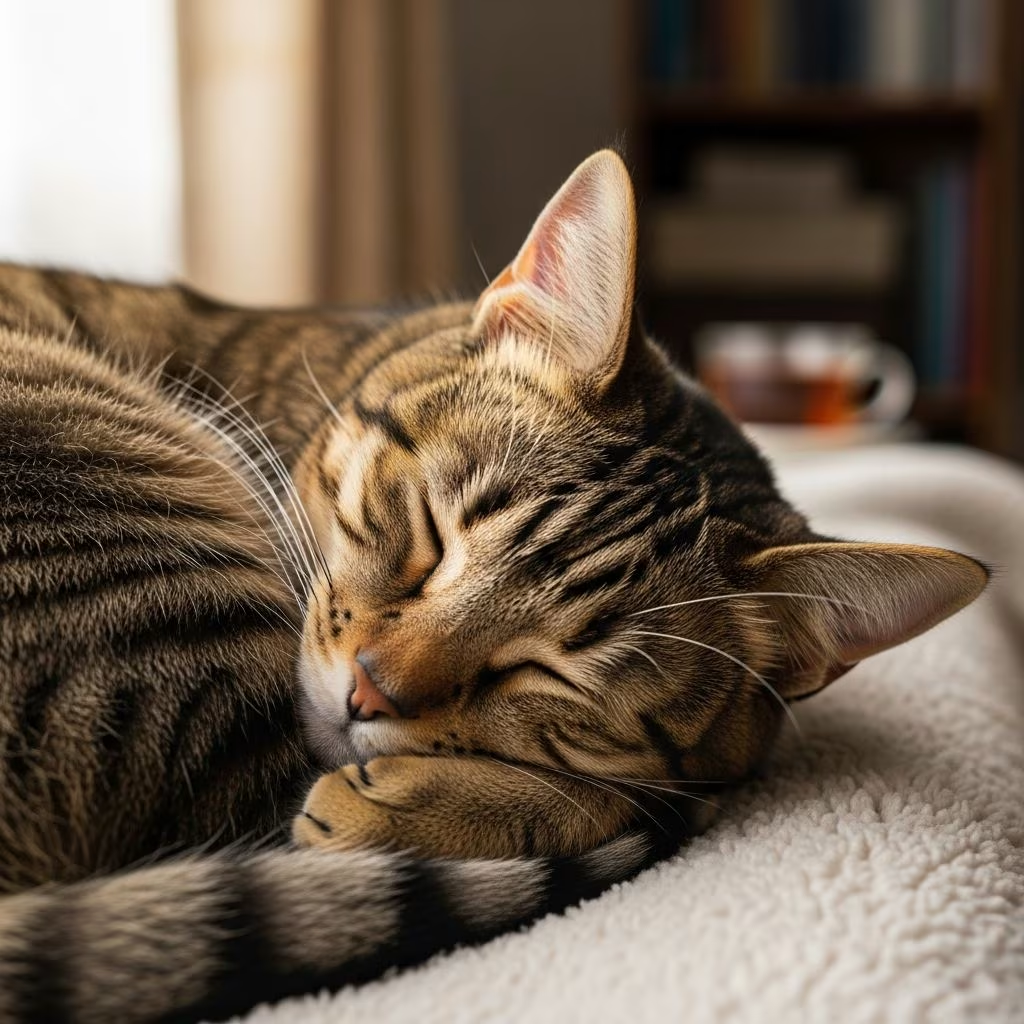
Cats spend up to 70% of their lives sleeping, making their rest positions a key window into their physical comfort, emotional state, and environmental security. These poses, evolved from wild ancestors, signal everything from deep relaxation to vigilant readiness. Recent studies reveal preferences like left-side sleeping in two-thirds of cats, linked to brain hemisphere advantages for threat detection. Understanding these can strengthen your bond and help spot potential issues early.
Why Cats Sleep in Specific Ways
Feline sleep patterns stem from survival instincts. Wild cats conserved energy through frequent naps in protective postures, a trait domestic cats retain despite safe homes. Elevated spots offer vantage points against predators, while curled forms preserve heat and shield organs. Positions also reflect trust levels; vulnerable exposures indicate safety around owners.
Sleep cycles include light dozing (ready to leap) and deep REM phases (twitching, dreaming). Factors like temperature, age, and health influence choices—kittens sprawl more, seniors seek warmth.
Common Cat Sleep Positions and Their Meanings
Here are 12 prevalent positions, each conveying distinct messages about your cat’s well-being.
1. The Protective Curl
Cats form a tight ball, nose to tail, wrapping limbs inward. This conserves heat and guards abdomen vitals with muscle and bone barriers. Common in cooler settings or uncertain environments, it signals conservation mode rather than full relaxation. Cats in this pose may be half-alert, one eye cracking open at noises.
2. Crescent Moon Tuck
A looser curl resembling a half-moon, with paws and tail hugging the body loosely. Wild cats favor this for daytime rests, balancing warmth with quick escape readiness. Domestic felines adopt it for comfort naps, showing moderate security.
3. Belly-Up Surrender
Sprawled on the back, paws flailing skyward, belly fully exposed. The abdomen’s vulnerability means total trust—cats won’t risk this without feeling utterly safe. Avoid petting; instinctual defenses kick in despite relaxation.
4. The Classic Loaf
Upright like bread dough, front paws tucked under chest, head resting forward. It retains heat while keeping eyes semi-open for instant reaction. Content yet cautious, loafers balance rest with awareness.
5. Side Stretch Bliss
Limbs extended, body flat on one side—often the left, per research showing 66% preference for right-brain threat processing upon waking. Full extension denotes deep sleep and safety; paws may curl lazily.
6. Superman Launch
On belly, front legs stretched ahead, hind legs back—like poised flight. Protects belly while enabling rapid pounce; ideal on warm surfaces for cooling. Relaxed but action-ready.
7. Upright Sentinel
Sitting tall, head up, paws folded—exposing belly slightly. Signals high confidence for grooming access and back support; common in secure, cool spots.
8. Chest Heater Snuggle
Curled atop your torso, drawn to heartbeat, breathing rhythms, and warmth. Mimics kitten-mother comfort; bonded cats knead here for security.
9. Box Fort Hideaway
Crammed into containers, head peeking out. Enclosed spaces reduce stress, echoing ancestral dens against predators. Provides tactile comfort and invisibility illusion.
10. Edge Perch Scout
Balanced on ledges, rails, or couch arms—high and withdrawn. Offers oversight of ‘territory’ from pet ‘threats’ like dogs; suits agile, independent cats.
11. Paw Nestle
One or both paws over eyes or face during side-sleep. Blocks light for deeper rest or self-soothes; common in bright rooms or anxious felines.
12. Tent Fold
Head buried under paws or tail, body hunched. Shuts out overstimulation; may indicate mild stress or preference for darkness.
Position Insights Table
| Position | Comfort Level | Alertness | Meaning |
|---|---|---|---|
| Protective Curl | Medium | High | Heat conservation, protection |
| Belly-Up | High | Low | Total trust |
| Loaf | Medium-High | Medium | Content vigilance |
| Side Stretch | High | Low | Deep relaxation |
| Superman | Medium | High | Ready for action |
| Chest Snuggle | High | Low | Seeking bond/ warmth |
How Age and Health Affect Sleep Poses
Kittens sprawl freely, building strength; adults vary by personality. Seniors curl tighter for joint relief or arthritis. Sudden changes—like constant loafing or twitching—may signal pain, illness, or stress. Consult vets if positions shift persistently.
Breeds influence too: Persians loaf more for brachycephalic breathing; Bengals perch high from wild traits.
Creating the Perfect Sleep Environment
Enhance feline rest with:
- Warm beds for curlers (heated mats mimic body heat).
- Elevated perches for scouts.
- Enclosed caves for box lovers.
- Quiet, dim corners away from drafts.
- Multiple options; cats rotate spots daily.
Observe preferences: left-siders benefit from right-side views. Clean bedding weekly to prevent allergies.
Interpreting Changes in Habits
Consistent positions build a baseline. Escalating curls might mean cold or anxiety; new belly-ups show growing trust. Nighttime shifts to your bed signal affection deepening. Track via journal for vet discussions.
Frequently Asked Questions
Why does my cat sleep on its left side more?
Two-thirds prefer left-side for right-brain processing of threats via unobstructed left visual field upon waking—a survival adaptation.
Is belly exposure an invitation to rub?
No—cats protect bellies reflexively, even asleep. It shows trust, not play solicitation.
What if my cat never uncurls?
Possible chill, fear, or pain. Warm the space and monitor; vet if ongoing.
Do sleep spots on bed mean anything?
Chest: bonding; feet: independence; head: leadership claim.
How much should cats sleep?
12-16 hours daily for adults; up to 20 for kittens/seniors. Less may indicate hyperthyroidism.
Expert Observations on Feline Rest
Research from Current Biology confirms lateralization in sleep, with elevated left-side bias aiding predator detection. VCA notes loafing as poised readiness. These align with petMD’s organ-protection emphasis.
References
- Two-Thirds of Domestic Cats Prefer to Sleep on Their Left Side — Sci.News. 2024-10-16. https://www.sci.news/biology/cat-sleep-14013.html
- Cat Sleeping Positions and What They Mean — Saatva. 2023-11-08. https://www.saatva.com/blog/cat-sleeping-positions/
- 20 Cat Sleeping Positions and What They Mean — PetMD. 2024-05-15. https://www.petmd.com/cat/general-health/cat-sleeping-positions-and-what-they-mean
- 11 Cat Sleeping Positions & The Meaning Behind Them — Total.Vet. 2024-02-20. https://total.vet/cat-sleeping-positions/
- Where Your Cat Sleeps on Your Bed and What It Means — TheCattopia. 2023-09-12. https://www.thecattopia.com/blog/where-your-cat-sleeps-on-your-bed-and-what-it-means/
- Cat Sleeping Positions Decoded — VCA Animal Hospitals. 2024-01-10. https://vcahospitals.com/resources/behavior-cat/cat-sleeping-positions-decoded
- Everything You Need to Know About How Cats Sleep — Discover Magazine. 2022-06-05. https://www.discovermagazine.com/everything-you-need-to-know-about-how-cats-sleep-46573



