

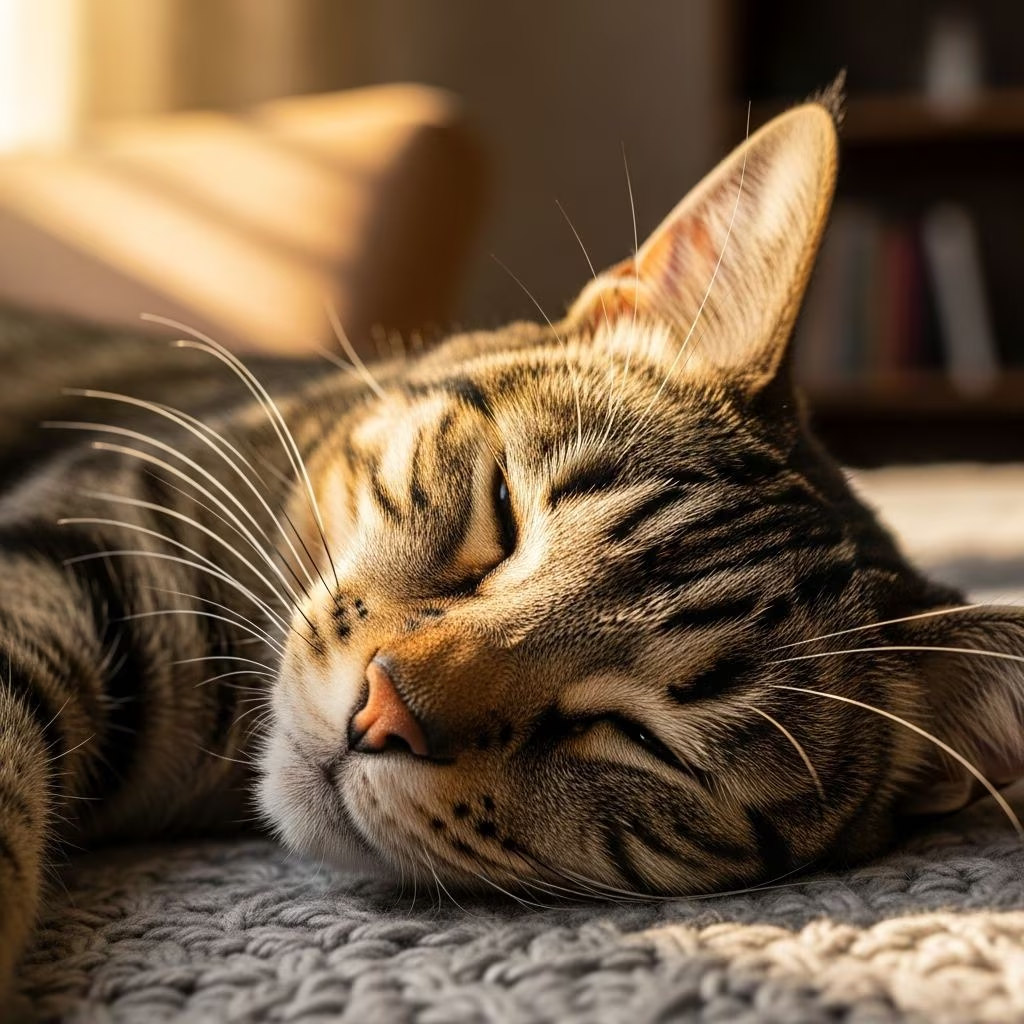
Cats often display subtle movements like paw kicks, ear flicks, or tail wiggles while asleep, sparking curiosity among pet owners. These actions typically stem from natural sleep processes but can occasionally signal underlying problems. Understanding the distinction helps ensure your feline companion’s well-being.
The Science of Feline Sleep Cycles
Cats experience distinct sleep stages similar to humans, cycling through light sleep, deep non-REM, and REM phases multiple times daily. They sleep 12-16 hours, with about 30% in REM, where vivid brain activity occurs despite physical relaxation. A key mechanism, muscle atonia, paralyzes major muscles to prevent dream enactment, yet minor twitches persist from residual neural signals.
This setup allows the brain to process daily stimuli, consolidate memories, and rehearse survival skills like hunting, explaining many observed movements.
Primary Reasons for Normal Twitching
Most sleep twitches are benign and tied to healthy physiology. Here’s a breakdown:
- REM Dreaming Activity: During REM, the motor cortex activates, prompting paw paddling, whisker quivers, or soft mews as cats ‘hunt’ in dreams. Cycles last 14-26 minutes, more frequent in youth.
- Hypnic Jerks: Sudden contractions at sleep onset, akin to human ‘sleep starts,’ arise from brain shifts to rest mode. These evolutionary reflexes maintain alertness.
- Sensory Integration: The brain replays daytime events, causing reflexive twitches to refine motor skills.
| Twitch Type | Description | Frequency |
|---|---|---|
| REM Twitches | Gentle, periodic movements in deep sleep | Common in all ages |
| Hypnic Jerks | Sharp, brief spasms at sleep start | Occasional |
| Sensory Twitches | Subtle responses to processed stimuli | Variable |
Why Kittens Twitch More Intensely
Young cats exhibit pronounced movements due to developmental needs. Kittens allocate up to 80% of sleep to REM versus 25-30% in adults, fueling neural growth and muscle coordination. This ‘activated sleep’ stage simulates real-world actions like pouncing, aiding physical maturation.
Their immature nervous systems amplify twitches, processing novel experiences from exploration. Such activity strengthens pathways for agility and instincts, mirroring human infant sleep patterns. As they age, REM shortens, reducing visible motions.
Distinguishing Normal from Abnormal Twitching
Not all movements are harmless. Monitor for intensity, duration, and context:
- Normal Indicators: Brief (seconds), occurs in deep sleep, cat wakes normally, no daytime issues.
- Concerning Signs: Violent convulsions, whole-body shaking, persistence post-waking, accompanied by drooling, incontinence, or lethargy.
Record videos for veterinary review if unsure, as spasms can mimic seizures.
Potential Medical Causes Requiring Attention
Several conditions may manifest as sleep twitching:
Neurological and Metabolic Issues
Hypoglycemia (low blood sugar), electrolyte imbalances, or vitamin deficiencies disrupt muscle control. Kidney/liver dysfunction or toxicities (e.g., lilies, pesticides) often pair with vomiting or weakness.
Pain and Discomfort
Arthritis, injuries, or gastrointestinal upset provoke flinching. Skin irritants like fleas cause reflexive scratches even asleep.
Rare Disorders
Feline hyperesthesia syndrome involves rippling skin and intense sensitivity, sometimes mimicking sleep twitches. Epilepsy or nocturnal myoclonus features rhythmic jerks. Medications or rabies (rare in vaccinated cats) warrant immediate checks.
| Condition | Symptoms Beyond Twitching | Action |
|---|---|---|
| Hypoglycemia | Lethargy, weakness | Vet blood test |
| Toxicity | Vomiting, seizures | Emergency care |
| Hyperesthesia | Skin rippling, aggression | Behavioral consult |
| Seizures | Incontinence, confusion post-event | Neurology referral |
When to Contact a Veterinarian
Seek professional help if twitching:
- Lasts over 30 seconds or recurs frequently.
- Features paddling with rigid limbs or vocalizing.
- Coincides with appetite loss, coordination issues, or behavioral changes.
- Affects kittens unusually or post-trauma/medication.
Diagnosis may involve bloodwork, EEGs, or toxin screens. Early intervention prevents complications.
Enhancing Your Cat’s Sleep Quality
Promote restful slumber to minimize distress:
- Provide quiet, dark spaces away from noise.
- Maintain consistent routines for meals and play.
- Ensure flea control and balanced nutrition to avert deficiencies.
- Avoid stressors; enrich environment with toys and perches.
Observe patterns over days for holistic health insights.
Common Myths About Cat Sleep Twitches
- Myth: Cats don’t dream. Evidence shows REM brain waves mirror wakefulness.
- Myth: All twitches mean nightmares. Most reflect positive instincts like play.
- Myth: Kitten twitching signals illness. It’s developmental, peaking early.
Frequently Asked Questions (FAQs)
Is it normal for my cat to twitch and meow in sleep?
Yes, this indicates REM dreaming, where vocalizations accompany movements.
How much twitching is too much?
Gentle, intermittent is fine; prolonged or violent needs vet evaluation.
Do older cats twitch less?
Typically, as REM decreases with age.
Can stress cause sleep twitching?
Indirectly, via disrupted cycles, but primary causes are physiological.
Should I wake a twitching cat?
Avoid unless in distress; it interrupts vital REM.
Conclusion
Observing your cat’s sleep twitches offers a window into their inner world, mostly revealing healthy dreaming and reflexes. Vigilance for anomalies ensures timely care, fostering a joyful life for your pet.
References
- Cat Twitching in Sleep Explained – Causes & Meaning — MichuPet. 2023. https://michupet.com/blogs/guide/why-does-my-cat-twitch-in-her-sleep
- Why Do Cats Twitch in Their Sleep? — Rover.com. 2023. https://www.rover.com/blog/cat-sleep-twitching/
- Cat Twitching: Causes & Solutions — Sheba UK. 2023. https://www.uk.sheba.com/blog/health/cat-twitching
- Why Do Cats Twitch in Their Sleep? — WagWalking. 2023. https://wagwalking.com/cat/condition/involuntary-muscle-trembling
- Why Is My Cat Twitching in Their Sleep? — Kinship. 2023. https://www.kinship.com/cat-behavior/cat-twitching-in-sleep
- Is It Normal for Cats to Twitch in Their Sleep? — LolaHemp. 2023. https://lolahemp.com/blogs/cat-health/cat-twitching-in-sleep



