

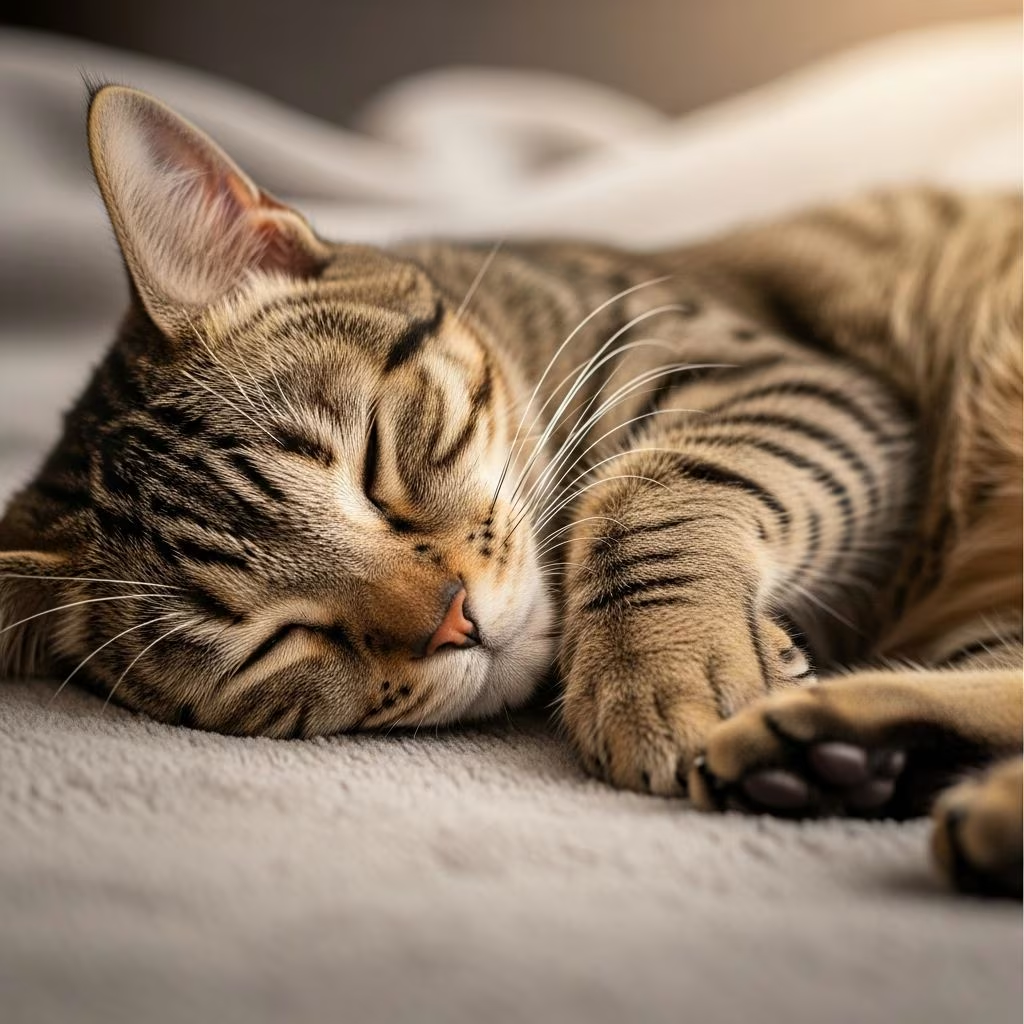
Observing a cat twitching during sleep is common, but determining if it’s harmless dreaming or a seizure requires careful attention to symptoms and patterns. Sleep seizures in cats involve abnormal brain activity manifesting as intense convulsions exclusively or primarily during rest, distinct from typical REM-induced movements.
Normal Sleep Behaviors in Cats
Cats spend much of their day sleeping, cycling through non-REM and REM phases. During REM sleep, brain activity heightens, mimicking wakefulness, which triggers minor muscle twitches as dreams unfold. These movements reflect healthy neurological function rather than distress.
- Paw flexing or gentle kicking
- Whisker or ear flicking
- Soft purrs or chirps
- Relaxed posture with easy arousability
Such behaviors indicate deep, restorative sleep. Cats may even keep eyes partially open, a normal trait due to their third eyelid.
Defining Seizures During Feline Sleep
Seizures stem from sudden electrical surges in the brain, disrupting normal function. In cats, these can occur during sleep, termed “sleep epilepsy” when confined to rest periods. Unlike twitches, seizures feature rhythmic, intense jerking potentially progressing from sleep to wakefulness, especially with clustering or specific brain foci.
Two main types affect cats:
| Type | Description | Symptoms |
|---|---|---|
| Focal | Limited to one brain area | Face twitching, drooling, odd head turns, disorientation[10] |
| Generalized | Whole-brain involvement | Full-body convulsions, limb paddling, collapse, incontinence |
Key Differences: Twitching vs. Seizures
Distinguishing these prevents unnecessary worry or overlooked issues. Normal twitching is brief, irregular, and non-disruptive, while seizures demand intensity and persistence.
| Feature | Normal Twitching | Sleep Seizures |
|---|---|---|
| Movement Intensity | Mild, sporadic | Rhythmic, violent jerking |
| Body Involvement | Localized (paws, tail) | Widespread stiffening |
| Duration | Seconds | 30 seconds to minutes |
| Post-Episode | Quick recovery | Confusion, lethargy |
| Other Signs | Purring, easy wake | Drooling, vocalizing, incontinence |
Potential Causes of Sleep Seizures
Seizures arise from intracranial or extracranial triggers. Intracranial issues involve brain abnormalities; extracranial stem from systemic problems affecting the brain indirectly.
Intracranial Causes
- Epilepsy: Genetic or idiopathic, often starting in young cats with sleep-linked episodes.
- Brain tumors: More prevalent in seniors, causing progressive symptoms.
- Trauma or inflammation: From injuries or infections like toxoplasmosis.
Extracranial Causes
- Metabolic imbalances: Low blood sugar, liver/kidney failure, electrolyte issues.
- Toxins: Antifreeze, human meds (e.g., antidepressants), essential oils.
- Infections: Feline leukemia, FIP, rarely triggering seizures.
Specific to sleep, amygdala-kindled models show initial sleep-only convulsions evolving with severity.
Recognizing Warning Signs
Pre-seizure auras may include restlessness or pacing. During episodes, watch for sudden collapse, jaw chomping, pupil dilation, and salivation. Post-seizure, cats may hide or appear dazed for hours.
Feline audiogenic reflex seizures (FARS), triggered by sounds like foil crinkling, can mimic sleep events if occurring during rest.
Immediate Response During a Seizure
Stay calm; cats feel no pain during seizures. Clear hazards, dim lights, and time the event. Do not restrain or insert objects in the mouth. If over 5 minutes or clustering, seek emergency care to prevent status epilepticus.
- Ensure safety: Move objects away.
- Monitor: Note duration, symptoms.
- Comfort post-event: Offer quiet space.
- Vet if: First time, frequent, prolonged.
Diagnostic Approaches
Vets use history, video footage, and tests for root causes.
- Bloodwork: Checks metabolic issues.
- Neurological exam: Assesses reflexes.
- Advanced imaging: MRI/CT for structural problems.
- EEG: Rare in cats, monitors brain waves.
Cluster patterns or sleep-wake shifts guide intracranial vs. reactive classification.
Treatment and Management Strategies
Treatment targets the cause; epilepsy may need lifelong meds.
| Condition | Treatment |
|---|---|
| Epilepsy | Phenobarbital, levetiracetam; monitor levels[10] |
| Metabolic | Correct imbalances (e.g., glucose infusion) |
| Toxins | Decontamination, antidotes |
| Tumors | Surgery, radiation, palliation |
Lifestyle aids: Consistent schedule, low-stress environment, FARS sound avoidance. Regular vet monitoring adjusts therapies.
Prevention Tips for Cat Owners
Minimize risks through vigilance.
- Secure toxins: Lock meds, antifreeze.
- Regular checkups: Early detection of metabolic diseases.
- Balanced diet: Prevents deficiencies.
- Monitor sleep patterns: Log episodes with video.
Prognosis Insights
Outcomes vary by cause. Idiopathic epilepsy responds well to meds, with many cats seizure-free. Untreated structural issues worsen. Early intervention improves quality of life.[10]
Frequently Asked Questions (FAQs)
Is twitching in sleep always a seizure?
No, most twitching is normal REM activity. Seizures involve intensity and additional symptoms like stiffening or incontinence.
Can stress trigger sleep seizures?
Stress may exacerbate epilepsy but doesn’t cause it. Underlying issues are primary.
How often do sleep seizures occur?
Varies; some cats have isolated events, others cluster during sleep.
Should I wake my cat during a seizure?
Avoid; let it pass naturally to prevent injury.
Are seizures painful for cats?
No evidence suggests pain during the event, though post-ictal fatigue occurs.
References
- Stability of spontaneous sleep epilepsy in amygdala-kindled kittens — PubMed. 1992. https://pubmed.ncbi.nlm.nih.gov/1396418/
- Is It Normal for Cats to Twitch in Their Sleep? Twitches vs. Seizures — Lola Hemp. 2023. https://lolahemp.com/blogs/cat-health/cat-twitching-in-sleep
- Seizures in Cats: Symptoms and What to Do — GoodRx. 2024. https://www.goodrx.com/pet-health/cat/understanding-cat-seizures
- Why is My Cat Twitching in Their Sleep? — Purina. 2023. https://www.purina.com/articles/cat/behavior/understanding-cats/why-do-cats-twitch-in-sleep
- Seizures in cats — International Cat Care. 2023. https://icatcare.org/articles/seizures-in-cats
- What Causes Seizures in Cats and How to Manage Them — Willowwood Animal Hospital. 2024. https://willowwoodah.com/what-causes-seizures-in-cats-and-how-to-manage-them/
- Seizures and Epilepsy in Cats — Long Beach Animal Hospital. 2023. https://lbah.com/feline/seizures-and-epilepsy-in-cats/



