

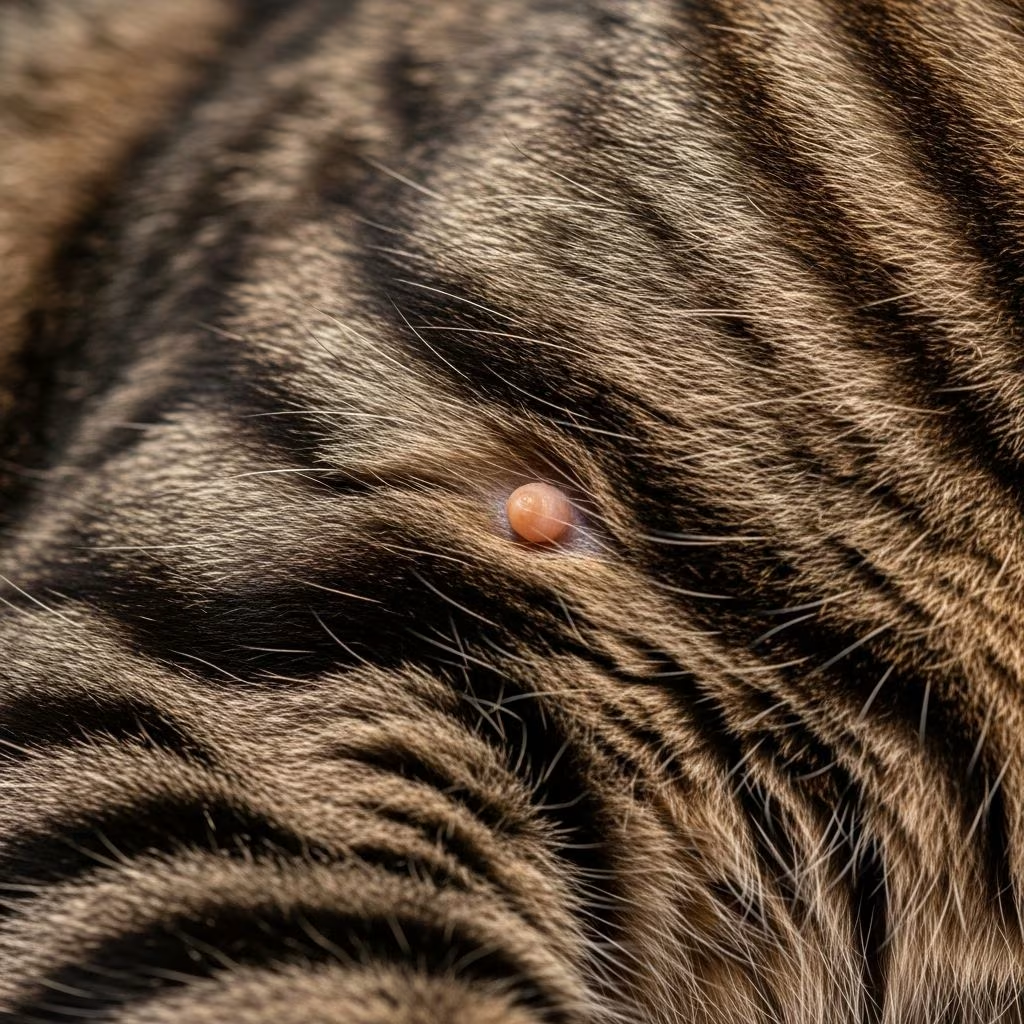
Skin tags on cats are small, benign growths that appear as fleshy protrusions on the skin, often going unnoticed until they grow or become irritated. These harmless overgrowths, also known as acrochordons or fibrovascular papillomas, primarily affect older cats or those with specific risk factors, but they rarely cause discomfort unless snagged or infected.
Recognizing Skin Tags on Your Cat
Identifying skin tags early can prevent complications. These growths typically manifest as soft, elongated bumps hanging from a thin stalk, ranging from a few millimeters to several centimeters in length. They often match the surrounding skin color but can appear darker, grayish, or warty in texture.
Common locations include areas prone to friction, such as armpits, groin, neck, eyelids, and under the collar. Unlike malignant tumors, skin tags grow quickly without changing color unless irritated, and they do not spread.
- Key visual traits: Pedunculated (stalk-like attachment), fleshy appearance, painless unless twisted.
- Distinguishing features: Smaller and softer than cysts or warts; no discharge or odor unless infected.
- Frequency: Uncommon in cats compared to dogs, more prevalent in seniors.
Regular weekly grooming sessions help spot these during brushing. Part the fur gently around folds to check for new lumps.
Factors Contributing to Skin Tag Development
The precise origins of feline skin tags remain unclear, differing from dogs where friction is a primary driver. In cats, multiple influences converge, often linked to lifestyle and physiology.
| Risk Factor | Description | Impact on Cats |
|---|---|---|
| Friction and Irritation | Repeated rubbing in skin folds | Leads to cell overgrowth in armpits, abdomen |
| Obesity | Excess weight creates creases | Increases pressure and folding, common in overweight felines |
| Advanced Age | Looser skin reduces elasticity | Seniors experience more friction as collagen declines |
| Hormonal Changes | Imbalances affect cell growth | Linked to diabetes or endocrine issues |
| Genetics | Breed predispositions | Certain lines more susceptible, though not breed-specific |
Poor grooming exacerbates risks by allowing debris buildup, while conditions like diabetes heighten insulin resistance, promoting tags. Sun exposure or flea allergies may irritate skin further, mimicking or triggering growths.
Differentiating Skin Tags from Serious Conditions
Not all bumps are benign; cats face higher risks of skin cancers, making differentiation vital. Skin tags lack the firmness of tumors or cysts, which may ooze or harden.
- Malignant tumors: Irregular shape, rapid growth, ulceration—require immediate biopsy.
- Warts (papillomas): Viral, contagious, cauliflower-like; unlike tags, spread via contact.
- Cysts/Abscesses: Fluid-filled, painful, often from bites or allergies.
- Allergic Hives: Raised, itchy welts from irritants; resolve quickly unlike persistent tags.
Any new growth warrants a vet visit for biopsy confirmation, as true skin tags need microscopic verification.
Diagnostic Process for Feline Skin Growths
Veterinarians start with a physical exam, palpating the lump for mobility and attachment. Fine-needle aspiration or full biopsy follows to rule out malignancy.
Imaging like ultrasound assesses deeper involvement, especially for eyelid or joint tags. Bloodwork checks for diabetes or hormonal issues if multiple growths appear.
Home monitoring involves photos of changes in size, color, or bleeding to track progression before appointments.
Treatment Options: From Observation to Removal
Many skin tags need no intervention if asymptomatic. However, removal prevents snagging, bleeding, or infection.
Surgical Excision: Gold standard; vet cuts under local/general anesthesia, sutures if needed. Heals in 2 weeks; e-collar prevents licking.
Non-Invasive Methods:
- Cryotherapy: Freezes with liquid nitrogen, tag dies and falls off.
- Electrocautery: Burns base with electric current; minimal bleeding.
- Ligation: Ties off blood supply with suture; tag withers in days.
Topical creams with salicylic acid exist but lack vet endorsement for cats—avoid human products. Post-treatment, monitor for recurrence, rare in felines.
Aftercare and Recovery Tips
Success rates exceed 95% with clean removal. Keep incision dry, apply vet-prescribed antibiotics, and restrict activity for 7-10 days.
- Monitor for swelling, discharge, or lethargy—signs of infection.
- Use cone collars for face/neck tags.
- Soft diet if mouth area affected.
Full recovery restores normal grooming; scarring minimal.
Preventive Strategies for Healthy Feline Skin
No guaranteed prevention exists, but lifestyle tweaks reduce risks.
- Maintain ideal weight via portion control and play.
- Daily brushing prevents matting in folds.
- Monthly skin exams: Check ears, paws, belly.
- Flea control avoids secondary irritation.
- Balanced diet supports skin elasticity.
Obese cats benefit from senior formulas rich in omega-3s for coat health.
When to Seek Immediate Veterinary Help
Rush to the vet if tags bleed, ulcerate, grow rapidly, or cause limping/scratching. Multiple new lumps suggest systemic issues like diabetes.
FAQs on Cat Skin Tags
Are cat skin tags cancerous?
No, they are benign, but always biopsy to confirm.
Can I remove skin tags at home?
Never; risks infection or incomplete removal.
Do skin tags hurt cats?
Usually not, unless caught on objects.
How common are they in young cats?
Rare; mostly seniors or obese adults.
Will one tag lead to more?
Uncommon in cats, unlike dogs.
References
- Cat Skin Tags 101: Symptoms, Removal and Expert Advice — Waggel. 2023-05-15. https://www.waggel.co.uk/blog/post/cat-skin-tags
- Cat Skin Tags, Moles & Growths — Dutch. 2024-02-10. https://www.dutch.com/blogs/cats/cat-skin-tag
- Skin Tags in Cats – Causes, Treatment and Associated Conditions — Vetster. 2023-11-20. https://vetster.com/en/conditions/cat/skin-tags
- Cat Skin Lumps, Bumps, and Cysts — PetMD. 2024-08-05. https://www.petmd.com/cat/symptoms/cat-skin-lumps-bumps-and-cysts
- Skin Tags on Cats: How to Identify & Treat Them — Purina. 2023-09-12. https://www.purina.com/articles/cat/health/skin-fur-ears/cat-skin-tag



