

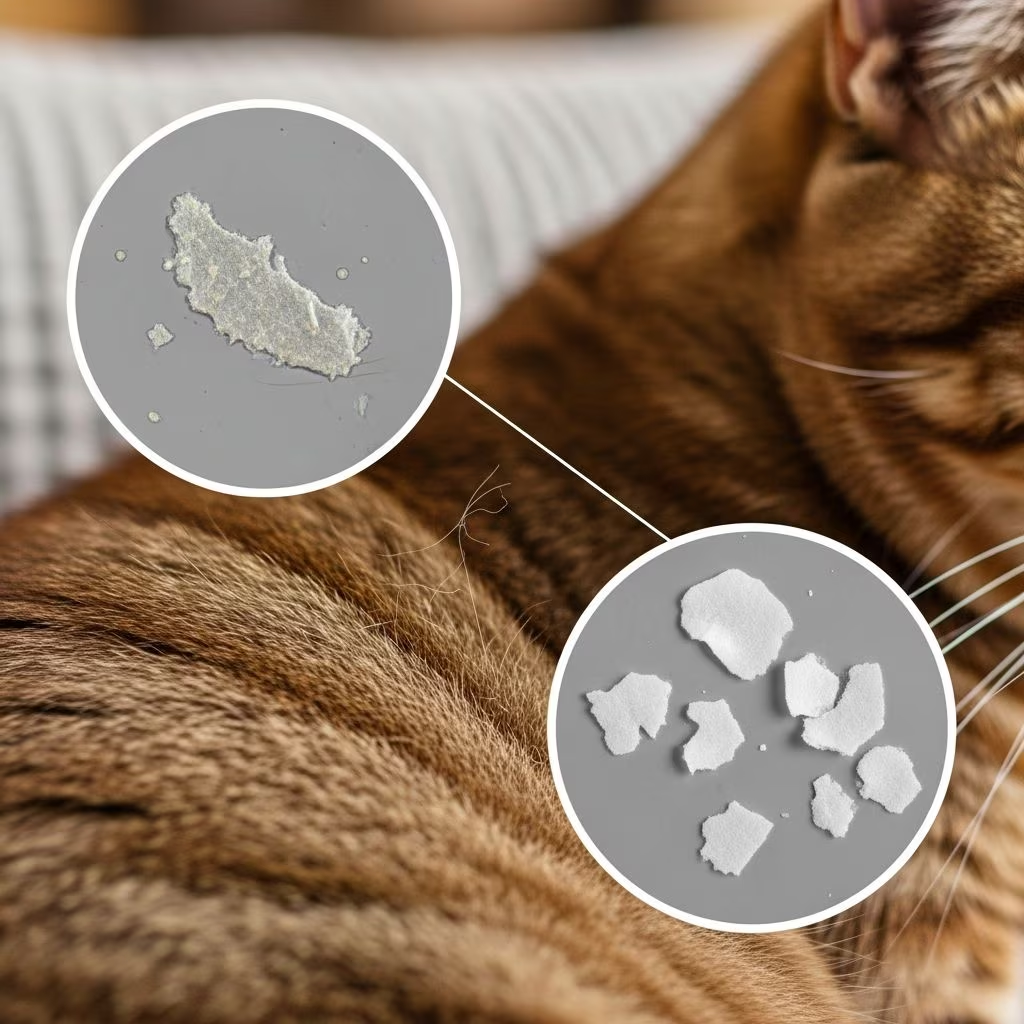
Cat owners frequently encounter visible flakes in their pet’s fur or on household surfaces and wonder whether their feline is experiencing a normal shedding process or a genuine health concern. The distinction between cat dander and dandruff is essential for proper pet care, as one represents a completely normal biological function while the other signals a potential underlying issue requiring attention. Many people use these terms interchangeably, but they represent distinctly different phenomena affecting your cat’s skin.
The Foundation: What Is Natural Cat Dander?
Cat dander represents the microscopic dead skin cells that felines naturally shed throughout their lives. This process is an entirely normal and healthy aspect of a cat’s biological functioning. Every cat continuously sheds old, dead skin cells as the outer layer of their epidermis naturally turns over, removing deteriorated cells and exposing fresh, healthy tissue beneath. Because dander consists of microscopic particles, you cannot see individual cells with the naked eye, even when examining your cat’s fur closely.
Despite being invisible to the human eye, dander plays a significant role in cat-related allergies affecting humans. The primary allergen responsible for cat allergies is a protein called Fel d 1, which originates in cats’ saliva, skin, and anal glands. During grooming, cats transfer this protein from their saliva to their fur and skin surface. The microscopic dander particles then carry this allergen throughout the cat’s environment, becoming airborne and settling on furniture, clothing, and other household surfaces, making it a potent allergen for sensitive individuals.
Interestingly, the amount of Fel d 1 protein varies among individual cats. Female cats typically produce lower levels of this allergen compared to male cats, though all cats produce at least some quantity. This variation explains why some people tolerate certain cats better than others.
Identifying Problematic Dandruff in Cats
Unlike the microscopic dander that is completely normal, cat dandruff represents a visible accumulation of dead skin cells. When a cat develops dandruff, you will notice white or grayish flakes that are clearly visible on the cat’s fur, skin, and surrounding environment. These flakes appear larger than dander and can be easily detected by running your fingers through your cat’s coat or examining their bedding. Dandruff indicates that something has disrupted the normal balance of your cat’s skin health, typically involving either excessive dryness or excess oiliness.
The appearance of dandruff may vary depending on your cat’s coat color. White and light-colored coats may camouflage white-to-gray flakes more effectively, while darker coats make the flaking more immediately obvious. Dandruff can affect cats of any age, breed, or sex and may become more pronounced during winter months when indoor heating creates dry air, though it can occur year-round.
Root Causes of Feline Dandruff
Several underlying factors can trigger dandruff development in cats:
- Dry skin conditions: When the outer layer of skin becomes excessively dry, it can crack and flake off, creating visible dandruff. Cold, dry indoor environments during winter months frequently contribute to this problem.
- Oily skin imbalance: Conversely, excessive skin oil can trap dead skin cells, causing them to accumulate and eventually shed in patches rather than microscopic pieces.
- Dietary insufficiencies: Poor nutrition or lacking essential fatty acids can compromise skin health and lead to flaking.
- Grooming inadequacy: Overweight, elderly, or ill cats that cannot groom themselves effectively may develop dandruff as skin cells accumulate and the skin becomes unhealthy.
- Environmental stress: Stress, allergies, or environmental irritants can trigger skin health deterioration resulting in dandruff.
Dandruff frequently occurs alongside other skin conditions. In particular, cats infested with fleas often develop dandruff simultaneously, as flea-related allergies cause skin irritation and health changes. Flea dirt, which consists of flea feces containing digested blood, appears as small black or brown specks, most commonly found at the tail base or hind end. This can be confused with dandruff but represents a distinct condition requiring different treatment approaches.
Recognizing Dandruff Symptoms Beyond Visible Flaking
While visible white flakes represent the most obvious sign of dandruff, other symptoms may accompany the condition:
- Persistent scratching or excessive grooming behavior
- Dull, lackluster coat appearance lacking normal shine
- Hair loss or thinning patches
- Red, inflamed, or scaly patches of skin
- Oily, matted, or unkempt coat texture
- General signs of skin discomfort or irritation
It is important to note that a cat does not need to display visible flaking to indicate a dandruff problem. If your cat exhibits constant scratching or their coat appears dull and unhealthy, veterinary evaluation is warranted to identify potential underlying issues before they progress.
Comparative Analysis: Key Differences at a Glance
| Characteristic | Cat Dander | Cat Dandruff |
|---|---|---|
| Visibility | Microscopic, invisible to the naked eye | Visible white or gray flakes |
| Biological Status | Normal, healthy physiological process | Indicates underlying skin health problem |
| Universality | All cats produce dander continuously | Only some cats develop dandruff |
| Allergenic Properties | Highly allergenic to sensitive individuals | Less likely to be inhaled but still potentially allergenic |
| Treatment Need | No treatment necessary or possible | Requires treatment and veterinary assessment |
| Associated Symptoms | No accompanying symptoms | May involve itching, dull coat, hair loss, skin lesions |
Distinguishing Dandruff From Flea-Related Issues
Pet owners should understand that dandruff differs significantly from flea dirt, though the two conditions frequently occur together. Flea dirt appears as small black or brown specks resembling pepper flakes, distinctly different from the white appearance of dandruff. Flea dirt typically concentrates at the tail base and hind end regions. When fleas infest a cat, they trigger allergic reactions leading to redness, fur matting, intense itching, and scabbing. These flea-related symptoms often occur alongside dandruff, making dual treatment necessary in such cases.
When Professional Veterinary Care Becomes Essential
Observing visible dandruff flakes in your cat’s coat warrants a veterinary evaluation to identify the underlying cause. A veterinarian can examine your cat’s skin, assess the severity of the condition, and determine whether the issue stems from environmental factors, dietary deficiencies, parasitic infestation, allergies, or medical conditions. Early identification of skin problems typically makes them easier to address before they become chronic or cause significant discomfort to your pet.
Cats exhibiting constant scratching, visible skin lesions, or generally unhealthy coat appearance should be examined promptly, even if obvious dandruff is not yet visible. These signs may indicate emerging skin issues that benefit from early intervention.
Managing and Preventing Feline Dandruff
Once a veterinarian identifies the cause of your cat’s dandruff, several management approaches may help resolve the condition:
- Dietary optimization: Ensuring your cat receives adequate nutrition with proper fatty acids supports skin health from within.
- Environmental humidity: Using humidifiers during dry seasons can help prevent skin desiccation.
- Regular grooming: Frequent brushing helps remove loose skin cells and improves circulation to the skin.
- Parasite control: If fleas contribute to the condition, appropriate flea prevention becomes essential.
- Medical treatment: Depending on the underlying cause, your veterinarian may recommend medicated shampoos, topical treatments, or systemic medications.
The Importance of Accepting Natural Dander
Understanding that cat dander is a completely normal and unavoidable aspect of cat ownership helps manage expectations regarding pet allergies. Since all cats produce dander as part of their natural skin renewal process, it cannot be prevented or eliminated. For individuals with cat allergies, managing dander involves environmental control measures such as air purification, frequent vacuuming, regular washing of fabrics, and maintaining air filtration systems rather than attempting to prevent dander production in cats.
Frequently Asked Questions About Cat Skin Shedding
Can dandruff be completely prevented in cats?
While you cannot prevent the normal dander shedding that occurs in all cats, you can often prevent problematic dandruff by maintaining proper nutrition, environmental humidity, regular grooming, and addressing any underlying health conditions identified by your veterinarian.
Is cat dander actually responsible for allergies?
The primary allergen comes from a protein in cat saliva called Fel d 1, which attaches to dander and fur. While dander itself does not cause allergies, it effectively transports the allergen throughout the environment, making it a significant factor in cat-related allergic reactions.
Will brushing my cat reduce dandruff?
Regular brushing can help remove loose skin cells, improve circulation to the skin, and contribute to overall coat health. However, brushing addresses symptoms rather than underlying causes. If your cat has dandruff, determining and treating the root cause remains essential.
Should I bathe my cat if they have dandruff?
Bathing frequency depends on the underlying cause. For dry skin dandruff, frequent bathing may worsen dryness, while oily skin issues might benefit from appropriate medicated baths. Consult your veterinarian before establishing a bathing routine.
Can diet affect my cat’s skin health?
Yes, inadequate nutrition or insufficient essential fatty acids can compromise skin health and contribute to dandruff development. Feeding high-quality cat food with appropriate nutritional balance supports skin health.
Summary: Dander as Normal, Dandruff as a Health Signal
The critical distinction between cat dander and dandruff centers on visibility, normalcy, and health implications. Dander represents the natural, microscopic shedding of dead skin cells occurring in every cat, requiring no intervention or concern. Dandruff, conversely, indicates visible flaking that signals disruption of your cat’s skin health balance, typically caused by excessive dryness, oiliness, nutritional deficiencies, parasites, or other medical conditions. Recognizing this difference allows cat owners to distinguish normal processes from health concerns requiring professional attention. If you observe visible flakes in your cat’s fur or notice behavioral changes suggesting skin discomfort, consulting your veterinarian ensures prompt identification and treatment of underlying issues before they compromise your cat’s comfort and wellbeing.
References
- Dandruff in Cats — PetMD. https://www.petmd.com/cat/symptoms/dandruff
- What’s the Difference Between Cat Dandruff and Cat Dander? — Molekule. https://molekule.com/blogs/all/whats-the-difference-between-dandruff-and-cat-danders
- How Do You Get Rid of Cat Dandruff? — Purina. https://www.purina.com/articles/cat/health/symptoms/cat-dandruff
- Cat Dandruff Causes and Solutions — Hill’s Pet Nutrition. https://www.hillspet.com/cat-care/healthcare/cat-dandruff-causes-and-solutions
- Cat Dander vs Dandruff – How to Tell Them Apart — Catster. https://www.catster.com/cat-health-care/cat-dander-vs-dandruff/
- Cat Dandruff — Chewy. https://www.chewy.com/education/cat/health-and-wellness/cat-dandruff
- Cat Dandruff | Blog — Cats Protection. https://www.cats.org.uk/cats-blog/can-cats-get-dandruff
- What Does Cat Dander Look Like? — Alen. https://alen.com/blogs/health-benefits/what-does-cat-dander-look-like



