

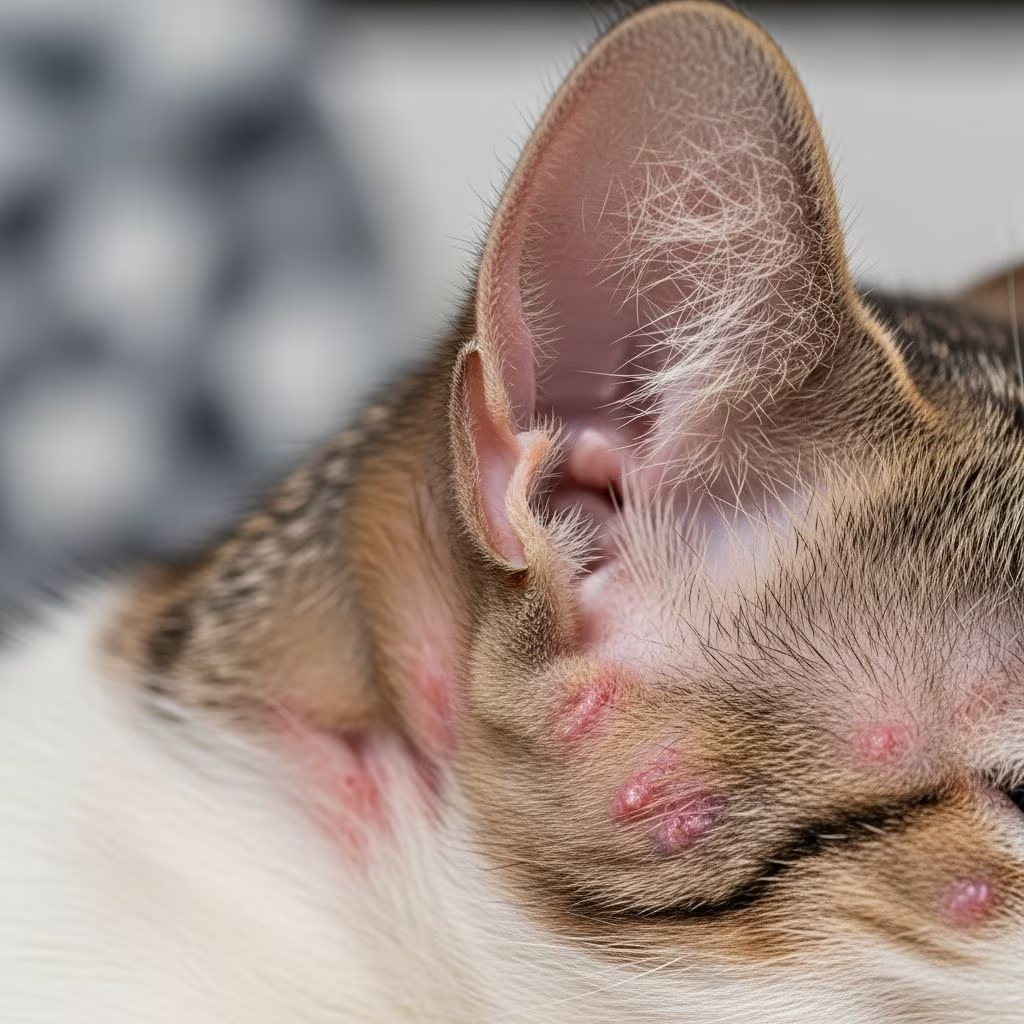
Cat skin problems are among the most frequent reasons feline companions visit the veterinarian. These issues range from mild irritations to severe conditions that cause discomfort, hair loss, and secondary infections. Understanding the signs, causes, and treatments is crucial for cat owners to ensure their pets’ well-being. This comprehensive guide, informed by veterinary expertise, covers the spectrum of feline dermatological issues, helping you identify when to seek professional help.
Signs of Cat Skin Problems
Recognizing the early signs of skin problems in cats can prevent escalation. Cats often hide discomfort, but observant owners can spot key indicators. Common symptoms include:
- Excessive scratching, licking, or grooming: Cats may overgroom affected areas, leading to raw skin.
- Hair loss or bald patches (alopecia): Often seen on the back, neck, belly, or tail base.
- Red, inflamed, or irritated skin: Redness indicates inflammation from allergies or infections.
- Scabs, sores, crusty bumps, or pustules: Small, grainy bumps known as miliary dermatitis are classic.
- Dry, flaky skin or dandruff: Scaling can result from poor grooming or nutritional issues.
- Oily skin and fur: Excessive sebum production signals underlying disorders.
- Unusual odors: Foul smells often point to bacterial or yeast infections.
- Rashes, red spots, or raised lesions: These may form plaques or ulcers.
If your cat shows these signs, especially if accompanied by lethargy, appetite loss, or behavioral changes, consult a veterinarian promptly. Early intervention prevents complications like secondary bacterial infections.
Common Causes of Cat Skin Problems
Skin issues in cats stem from parasites, allergies, infections, and systemic diseases. Here’s a breakdown:
- Parasites: Fleas, mites (e.g., ear mites), ticks, and lice are primary culprits, causing intense itching even in small numbers.
- Allergies: Flea allergy dermatitis (FAD), food allergies, or environmental allergens (pollen, dust) trigger hypersensitivity reactions.
- Infections: Bacterial (pyoderma), fungal (ringworm), or yeast overgrowths exploit damaged skin barriers.
- Autoimmune and inflammatory conditions: Eosinophilic granuloma complex involves allergic responses leading to ulcers and plaques.
- Nutritional or grooming issues: Poor diet, obesity, or age-related grooming decline causes dry or oily skin.
- Other factors: Stress, endocrine disorders (e.g., hyperthyroidism), or neoplasia like skin cancer.
Indoor cats are not immune; fleas can hitch rides inside, and allergies persist regardless of lifestyle.
Flea Allergy Dermatitis (FAD)
**The most common skin condition in cats.** Even one flea bite injects saliva that hypersensitive cats react to intensely. Symptoms peak in summer but persist year-round indoors.
Symptoms: Severe itching at the tail base, back, and neck; hair loss; red bumps; scabs from scratching. Cats may chew their hindquarters raw.
Diagnosis: Flea comb reveals fleas or “flea dirt” (black specks turning red in water). History of exposure confirms.
Treatment: Strict flea control with vet-recommended topicals (e.g., fipronil, selamectin). Steroids or antihistamines relieve itching; antibiotics treat secondary infections. Prevent with monthly preventatives.
Ringworm
Ringworm (dermatophytosis) is a highly contagious fungal infection, not a worm. It thrives in warm, humid environments and spreads via spores on fur, surfaces, or soil.
Symptoms: Circular alopecia with broken hairs, scaling, crusty or red patches on head, limbs, or body. Itchy or asymptomatic.
Diagnosis: Wood’s lamp fluorescence, fungal culture (gold standard, takes 1-3 weeks), microscopy, or PCR.
Treatment: Oral antifungals (itraconazole, terbinafine) for 4-8 weeks; topical lime sulfur dips or shampoos. Isolate cat, disinfect environment (bleach 1:10), vacuum daily. Zoonotic risk to humans, especially immunocompromised.
Allergies in Cats
Cats suffer atopic dermatitis from environmental (atopy) or food allergens, compounded by fleas.
Symptoms: Year-round or seasonal itching; red ears, feet, belly; excessive grooming causing military dermatitis.
Diagnosis: Intradermal skin testing or serum IgE for atopy; elimination diet (8-12 weeks) for food allergies.
Treatment: Identify/remove allergens; hypoallergenic diets; Apoquel, Cytopoint injections, or cyclosporine for itch control. Fatty acid supplements aid skin barrier.
Miliary Dermatitis
A reaction pattern, not a disease—small, millet-seed-like crusts along the back.
Symptoms: Intense itch; scabs from neck to tail.
Causes: Primarily fleas, but also allergies, ringworm, mites.
Treatment: Address underlying cause; medicated shampoos, topicals.
Ear Mites
Otodectes cynotis mites infest ear canals, common in kittens and multi-pet homes.
Symptoms: Dark, crumbly discharge; head shaking; ear scratching; odor if infected.
Diagnosis: Ear swab microscopy shows mites.
Treatment: Ivermectin or selamectin otic drops; clean ears. Treat all pets.
Feline Acne
Plugged chin follicles mimic human acne.
Symptoms: Blackheads, red pimples, swelling on chin; may ulcerate/infect.
Treatment: Clean with chlorhexidine wipes; antibiotics if infected; plastic bowls.
Eosinophilic Granuloma Complex
Allergic hypersensitivity causes three forms: linear granuloma (thigh/back), plaques (raised red areas), indolent ulcers (lip ulcers).
Symptoms: Hairless, ulcerated, itchy lesions.
Treatment: Steroids, cyclosporine; allergy management.
Other Conditions
- Dry/Flaky Skin: Nutrition, grooming issues; omega-3 shampoos.
- Oily Skin: Seborrhea from endocrinopathies; medicated baths.
- Bacterial Infections: Pyoderma post-trauma; antibiotics.
- Abscesses: Bite wounds; drain, antibiotics.
Diagnosis of Cat Skin Problems
Vets use history, exam, skin scrapes, cytology, cultures, biopsies, bloodwork, allergy tests. Rule out systemic diseases.
Treatment Options
Tailored to cause: Parasiticides, antifungals, antibiotics, anti-inflammatories, immunotherapy. Supportive: hypoallergenic diets, baths.
Prevention Tips
- Year-round flea prevention.
- Regular grooming/brushing.
- Balanced diet with omega fatty acids.
- Minimize allergens; hypoallergenic bedding.
- Environmental hygiene.
- Routine vet check-ups.
Frequently Asked Questions (FAQs)
Q: Can indoor cats get skin problems?
A: Yes, fleas enter homes, and allergies or poor grooming affect indoor cats too.
Q: Is ringworm dangerous to humans?
A: Yes, contagious especially to children/elderly; treat promptly.
Q: How long does flea treatment take?
A: 1-2 months for full resolution; consistent prevention key.
Q: What home remedies help itchy skin?
A: Avoid; vet diagnosis prevents worsening. Oatmeal baths temporary.
Q: When is a skin biopsy needed?
A: For non-responsive cases or suspected cancer/autoimmune.
References
- Common Skin Conditions for Cats — Paducah Veterinary Clinic. 2023. https://www.paducahvet.com/blog/1266761-common-skin-conditions-for-cats
- An Overview of Common Skin Conditions in Cats — YEG Vet. 2024. https://www.yegvet.ca/an-overview-of-common-skin-conditions-in-cats/
- Skin Conditions in Cats: Types, Symptoms, and Treatment — PetMD. 2025-01-10. https://www.petmd.com/cat/general-health/skin-conditions-in-cats
- Recognizing, Diagnosing and Treating Cat Skin Conditions — MyGAVet. 2024. https://www.mygavet.com/services/cats/cat-skin-conditions
- Skin Problems in Cats — PDSA. 2025. https://www.pdsa.org.uk/pet-help-and-advice/pet-health-hub/conditions/skin-problems-in-cats
- Dermatitis and Dermatologic Problems in Cats — Merck Veterinary Manual. 2025. https://www.merckvetmanual.com/cat-owners/skin-disorders-of-cats/dermatitis-and-dermatologic-problems-in-cats



