

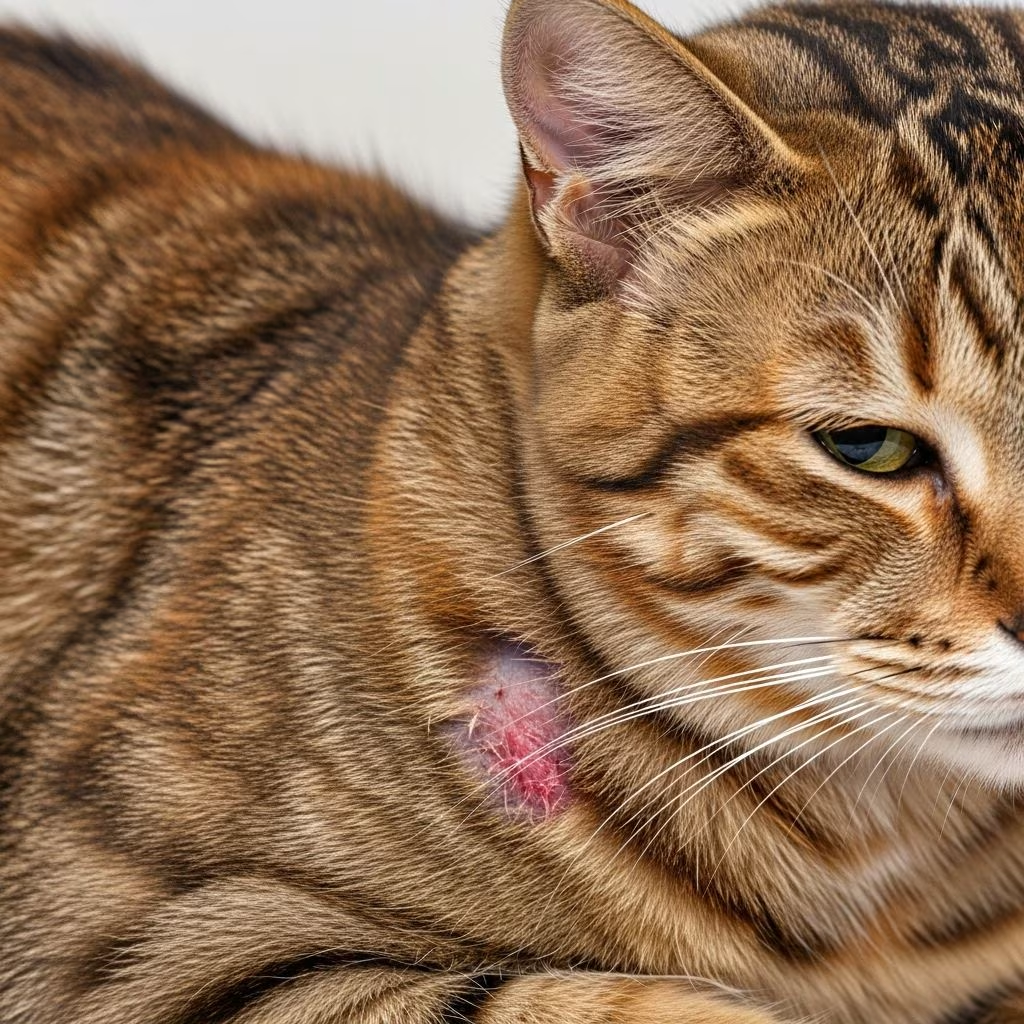
Healthy skin serves as a vital barrier for cats, protecting them from environmental threats and supporting overall well-being. When disruptions occur, they often manifest as visible changes in fur, behavior, or comfort levels. Understanding these issues empowers owners to act swiftly, preventing escalation into chronic concerns. This guide delves into prevalent feline dermatological challenges, drawing from veterinary insights to outline recognition, underlying factors, and resolution paths.
Recognizing Trouble: Key Indicators of Skin Distress
Cats communicate discomfort subtly, making early detection essential. Watch for persistent scratching, especially around the neck, tail base, or hindquarters, which signals irritation. Hair loss patches, known as alopecia, frequently accompany these behaviors, revealing inflamed or scaly undersides. Redness, swelling, or the emergence of small bumps further indicate trouble, while crusty scabs or open sores point to advanced stages. Behavioral shifts, such as reduced grooming, lethargy, or aggression when touched, underscore the impact. Odors from infected areas or flaky dandruff-like residue on furniture also warrant attention.
- Itchiness leading to self-trauma: Cats may chew or lick excessively, creating raw spots.
- Visible lesions: Pustules, blackheads, or circular bald areas.
- Coat changes: Dullness, matting, or uneven shedding.
- Secondary signs: Ear infections, paw licking, or systemic malaise like appetite loss.
These symptoms overlap across conditions, necessitating professional evaluation for precise identification.
Parasite-Driven Disruptions: Fleas and Beyond
External parasites top the list of culprits behind feline skin woes. Flea allergy dermatitis arises from hypersensitivity to flea saliva, triggering intense reactions from minimal exposure. Even one flea bite suffices to provoke widespread inflammation, primarily at the dorsal lumbar region, flanks, and abdomen. Black specks of flea dirt confirm infestation, alongside miliary dermatitis—tiny, seed-like crusts from relentless scratching.
Treatment prioritizes eradication: topical or oral preventatives eliminate adults and break the life cycle. Anti-itch therapies, including short steroid courses, provide relief while the skin heals. Household vacuuming and washing bedding disrupt environmental reservoirs.
Other parasites like mites contribute similarly. Ear mites cause dark, crumbly discharge and head shaking, while demodectic or sarcoptic mites provoke generalized itching. Comprehensive parasiticide protocols, often monthly, form the cornerstone of prevention.
Allergic Reactions: Environmental and Dietary Triggers
Allergies manifest diversely, from food sensitivities to airborne pollen or household irritants. Atopic dermatitis yields itchy paws, face, or ears, compounded by secondary bacterial overgrowth. Food trials using hydrolyzed protein diets isolate culprits like proteins in commercial kibble.
Symptoms include eosinophilic plaques—raised, ulcerated welts—and chronic otitis. Management blends allergen avoidance, hypoallergenic nutrition, and immunomodulators. Omega-3 supplements bolster skin barrier function, reducing flare frequency.
| Allergen Type | Common Sites | Diagnostic Approach |
|---|---|---|
| Flea | Tail base, back | Flea comb, trial preventatives |
| Food | Face, paws | 8-12 week elimination diet |
| Environmental | Ears, belly | Intradermal testing |
Bacterial and Fungal Invaders: Infections to Watch
Superficial pyoderma features moist, pustular lesions from bacterial ingress post-trauma. Predisposing factors include allergies or poor grooming. Antibiotics target staphylococci, paired with chlorhexidine washes.
Ringworm, a dermatophyte fungus, creates alopecia in rings with scaling, highly contagious across species. UV lamp exams aid diagnosis, followed by lime sulfur dips and oral itraconazole. Spores linger months, demanding rigorous decontamination[10].
Abscesses from fights encapsulate pus under thick skin, requiring lancing, flushing, and drainage. Pain masks initial signs until rupture.
Localized Concerns: Acne, Dryness, and Rare Disorders
Feline acne clusters comedones on the chin, progressing to folliculitis if bacteria thrive. Culprits include plastic bowls harboring microbes; ceramic or metal alternatives help. Benzoyl peroxide wipes or retinoids cleanse pores.
Dry skin, or xerosis, yields flakiness from diet deficiencies, low humidity, or age. Fish oil additions and humidifiers restore moisture.
Pemphigus foliaceus, autoimmune-mediated, crusts paw pads and pinnae with yellow scales. Steroids and cyclosporine suppress immunity.
Diagnostic Pathways: From Exam to Advanced Testing
Veterinarians start with history and dermatology-focused exams, employing cytology via tape preps to detect bacteria, yeast, or mites. Skin scrapes, fungal cultures, and biopsies differentiate mimics. Allergy workups involve trials or serology.
- Basic tests: Combing for parasites, Wood’s lamp for ringworm.
- Imaging: Rarely, ultrasound for deep masses.
- Referrals: Dermatologists for refractory cases.
Treatment Strategies: Tailored Interventions
Core principle: address root causes alongside symptom palliation. Parasite controls headline flea cases; antifungals dominate ringworm protocols. Itch abatement via oclacitinib or prednisolone enables healing.
Topicals like mupirocin suit pyoderma; medicated shampoos weekly for generalized issues. E-collars prevent mutilation. Nutrition modulates allergies and dryness.
Chronicity demands multimodal plans: monthly preventatives, hypoallergenic feeds, environmental tweaks.
Preventive Measures: Proactive Skin Defense
Year-round flea prevention thwarts 80% of dermatitis. Balanced diets with fatty acids fortify cuticles. Stress reduction via enrichment curbs overgrooming. Regular grooming redistributes oils, while clean bowls avert acne. Monitor for lumps during pets.
When to Escalate: Red Flags for Urgent Care
Seek immediate help for non-healing wounds, facial swelling, systemic signs like fever, or rapid hair loss. Zoonotics like ringworm risk human spread, especially to immunocompromised.
FAQs on Feline Dermatology
Can indoor cats develop skin problems?
Yes, fleas hitchhike indoors, and allergies persist regardless of lifestyle.
How long do treatments take?
Acute issues resolve in weeks; chronics require lifelong management.
Are home remedies safe?
Avoid; they delay diagnosis and risk toxicity. Consult vets first.
Does diet impact skin health?
Absolutely—omega-rich foods reduce inflammation.
Is ringworm curable?
Yes, with consistent therapy and hygiene[10].
References
- Skin Conditions in Cats: Types, Symptoms & Treatment — UrgentVet. 2023-05-15. https://urgentvet.com/skin-conditions-in-cats-types-symptoms-treatment/
- Common Cat Skin Problems & How To Recognize Them — Bond Vet. 2024-02-10. https://bondvet.com/blog/cat-skin-problems
- Skin Conditions in Cats: Types, Symptoms, and Treatment — PetMD. 2025-01-20. https://www.petmd.com/cat/general-health/skin-conditions-in-cats
- Cat Miliary Dermatitis: Causes and Treatment — MedVet. 2024-08-05. https://www.medvet.com/cat-miliary-dermatitis-causes-and-treatment/
- Cat skin conditions: Signs, causes and management — Royal Canin. 2023-11-12. https://www.royalcanin.com/us/cats/health-and-wellbeing/cat-skin-conditions-signs-causes-and-management
- Feline Skin Diseases — Cornell University College of Veterinary Medicine. 2022-07-18. https://www.vet.cornell.edu/departments-centers-and-institutes/cornell-feline-health-center/health-information/feline-health-topics/feline-skin-diseases



