
Cat Skin Issues: Expert Guide To Causes, Signs, Treatments
Discover causes, signs, and solutions for common feline skin problems to keep your cat comfortable and healthy.
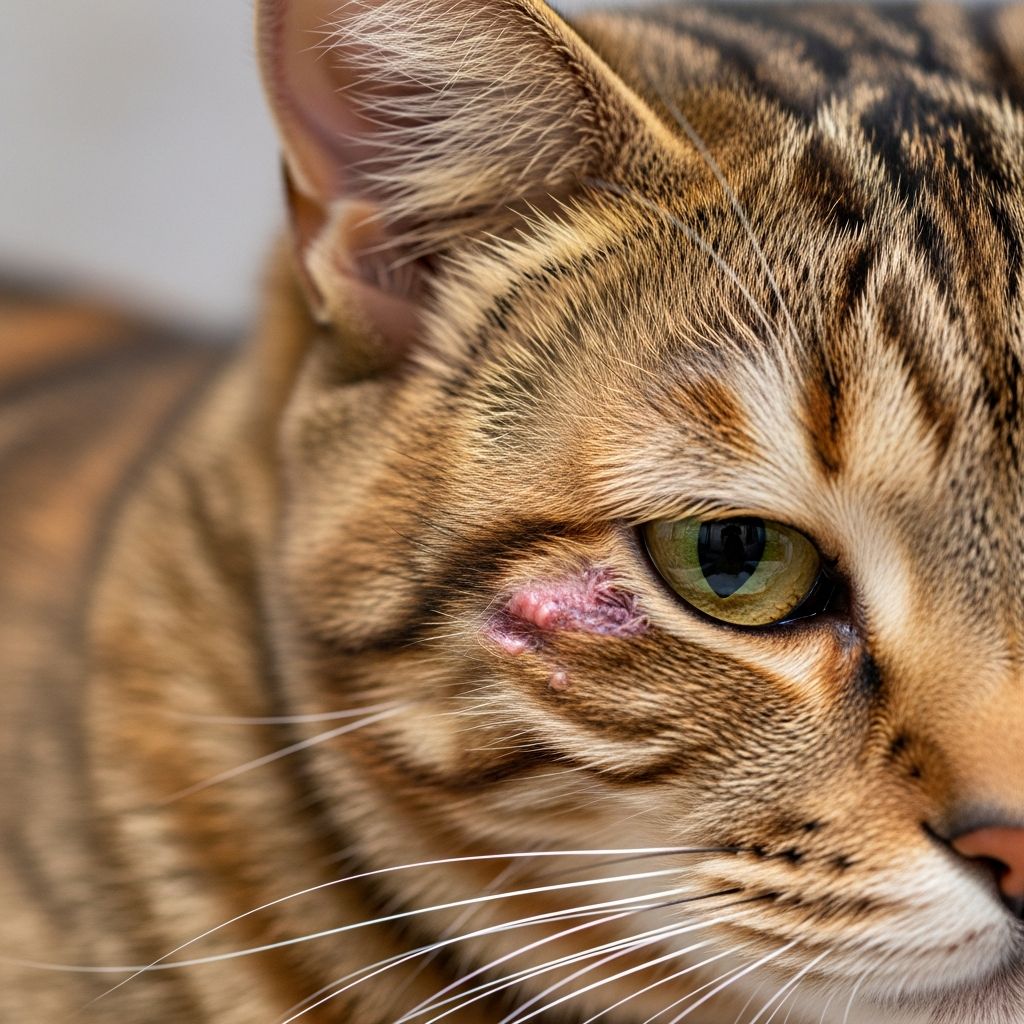
Cat skin problems affect millions of pets yearly, often stemming from parasites, allergies, or infections that disrupt their comfort and appearance. Early detection through observing changes like itching or hair loss can lead to effective management, preventing escalation into chronic issues.
Recognizing Early Warning Signs
Skin troubles in cats often start subtly but progress to noticeable symptoms. Owners should watch for persistent scratching, bald spots, or flaky patches, as these indicate underlying problems requiring attention.
- Excessive grooming or licking: Cats may over-clean affected areas, leading to raw skin.
- Hair thinning or loss: Patches without fur, especially on the back, neck, or belly.
- Redness and inflammation: Swollen, pink areas signaling irritation or infection.
- Crusts, scabs, or bumps: Small raised lesions or dried secretions from wounds.
- Scaly or oily coat: Dandruff-like flakes or greasy fur from glandular imbalances.
- Odor or discharge: Foul smells from bacterial overgrowth or pus-filled sores.
Behavioral shifts, such as lethargy or reduced appetite, often accompany severe cases, emphasizing the need for prompt veterinary consultation.
Parasite-Related Skin Challenges
External parasites top the list of feline skin agitators, thriving in warm environments and spreading easily among pets.
Flea Allergy Dermatitis
This hypersensitivity reaction occurs when cats respond intensely to flea saliva, even from minimal bites. Symptoms cluster at the tail base, groin, and neck, featuring intense itchiness, red papules, and military-like dermatitis—tiny crusty bumps resembling millet seeds.
Treatment involves rigorous flea control with topical or oral preventatives, alongside anti-itch medications like steroids for acute relief. Indoor cats remain vulnerable via tracking from owners’ shoes.
Other Parasites: Mites and Lice
Ear mites cause dark, crumbly debris and frantic head shaking, while body mites or lice provoke widespread dryness and crusting. These are rarer but highly contagious, demanding medicated dips or injections.
Allergic Reactions and Their Impact
Allergies trigger immune overreactions, manifesting as chronic inflammation without visible culprits.
Environmental and Food Allergies
Pollen, dust mites, or proteins in kibble provoke atopic dermatitis, yielding itchy feet, ears, and underbelly. Cats chew paws raw or develop ear infections secondary to head rubbing.
Diagnosis uses elimination diets or intradermal testing; management includes hypoallergenic foods, antihistamines, and hypo-sensitization shots.
Eosinophilic Complex
This spectrum includes linear granulomas (raised thigh lesions), plaques (swollen red areas), and indolent ulcers (lip erosions). Linked to insect bites or herpesvirus, it demands biopsy confirmation and immunosuppressive therapy.
Infectious Culprits: Bacterial and Fungal
Infections exploit broken skin barriers, amplifying damage.
Bacterial Pyoderma and Abscesses
Superficial pyoderma yields pustules between toes or chin acne—blackheads turning inflammatory. Fight wounds from territorial scuffles form pus pockets needing lancing and antibiotics.
| Condition | Common Sites | Treatment |
|---|---|---|
| Pyoderma | Paws, chin, groin | Topical antiseptics, oral antibiotics |
| Abscess | Face, limbs | Surgical drainage, pain relief |
Ringworm: The Misnamed Fungus
Dermatophytosis creates circular alopecia with scaling, highly zoonotic to humans. UV lamp screening aids diagnosis, treated with lime-sulfur dips and systemic antifungals for 4-6 weeks.
Autoimmune and Rare Disorders
Less common but severe, these involve misguided immunity or systemic links.
Pemphigus and Lupus Variants
Pemphigus foliaceus crusts paw pads, nose, and ears with flaky scales. Autoantibodies attack skin cells, requiring lifelong steroids or biologics.
Endocrine Influences
Hyperthyroidism or diabetes indirectly worsens skin via poor healing and infections. Fragile skin from cortisol excess tears easily, mimicking trauma.
Diagnostic Approaches for Accurate Care
Vets employ multifaceted tools: skin scrapes for parasites, cytology for bacteria/yeast, fungal cultures, and biopsies for tumors or autos.
- Cytology: Tape preps reveal inflammatory cells.
- Allergy trials: 8-12 week food restrictions.
- Imaging/Bloodwork: Rules out organ ties.
Video flea combs confirm parasites invisibly lurking.
Treatment Strategies Tailored to Causes
Therapy targets roots while soothing symptoms.
- Topicals: Shampoos with chlorhexidine for bacteria; antifungals for ringworm.
- Systemics: Antibiotics (2-4 weeks), steroids tapered slowly.
- Supportive: E-collars prevent self-trauma; fatty acid supplements calm inflammation.
Holistic aids like oatmeal baths complement but never replace vets.
Preventive Measures for Lifelong Skin Health
Proactive steps minimize recurrences.
- Monthly flea preventatives year-round.
- Hypoallergenic diets for at-risk breeds like Siamese.
- Regular grooming reveals issues early.
- Stress reduction via enrichment, as anxiety exacerbates allergies.
Quarantine new cats to block ringworm spread.
When to Seek Immediate Veterinary Help
Rush if facing non-healing sores, facial swelling, or systemic signs like vomiting—potential anaphylaxis or deep infections.
FAQs on Feline Skin Conditions
Can indoor cats get skin problems?
Yes, via fleas on owners’ clothes or food allergies unaffected by outdoors.
Is cat acne serious?
Often benign but signals bacterial risks if untreated.
How long do treatments take?
Varies: Parasites clear in weeks; allergies may need months.
Are skin lumps always cancer?
No, cysts common, but biopsy any growing masses.
Can diet fix skin issues?
Possibly for food allergies; always vet-guided.
Nutritional Support for Skin Resilience
Omega-3s from fish oil reduce inflammation; zinc aids healing. Avoid over-supplementation without tests.
References
- Skin Conditions in Cats: Types, Symptoms, and Treatment — PetMD. 2023. https://www.petmd.com/cat/general-health/skin-conditions-in-cats
- Common skin conditions for Cats — Paducah Veterinary Clinic. 2023. https://www.paducahvet.com/blog/1266761-common-skin-conditions-for-cats
- An Overview Of Common Skin Conditions in Cats — YEG Vet. 2023. https://www.yegvet.ca/an-overview-of-common-skin-conditions-in-cats/
- Whole-body Disorders that Affect the Skin in Cats — Merck Veterinary Manual. 2023. https://www.merckvetmanual.com/cat-owners/skin-disorders-of-cats/whole-body-disorders-that-affect-the-skin-in-cats
- Skin problems in cats — PDSA. 2023. https://www.pdsa.org.uk/pet-help-and-advice/pet-health-hub/conditions/skin-problems-in-cats
- Skin Diseases in Cats — AAHA. 2023-08-01. https://www.aaha.org/trends-magazine/august-2023/gs-skin-diseases-in-cats/
Similar Articles








Read full bio of medha deb




