

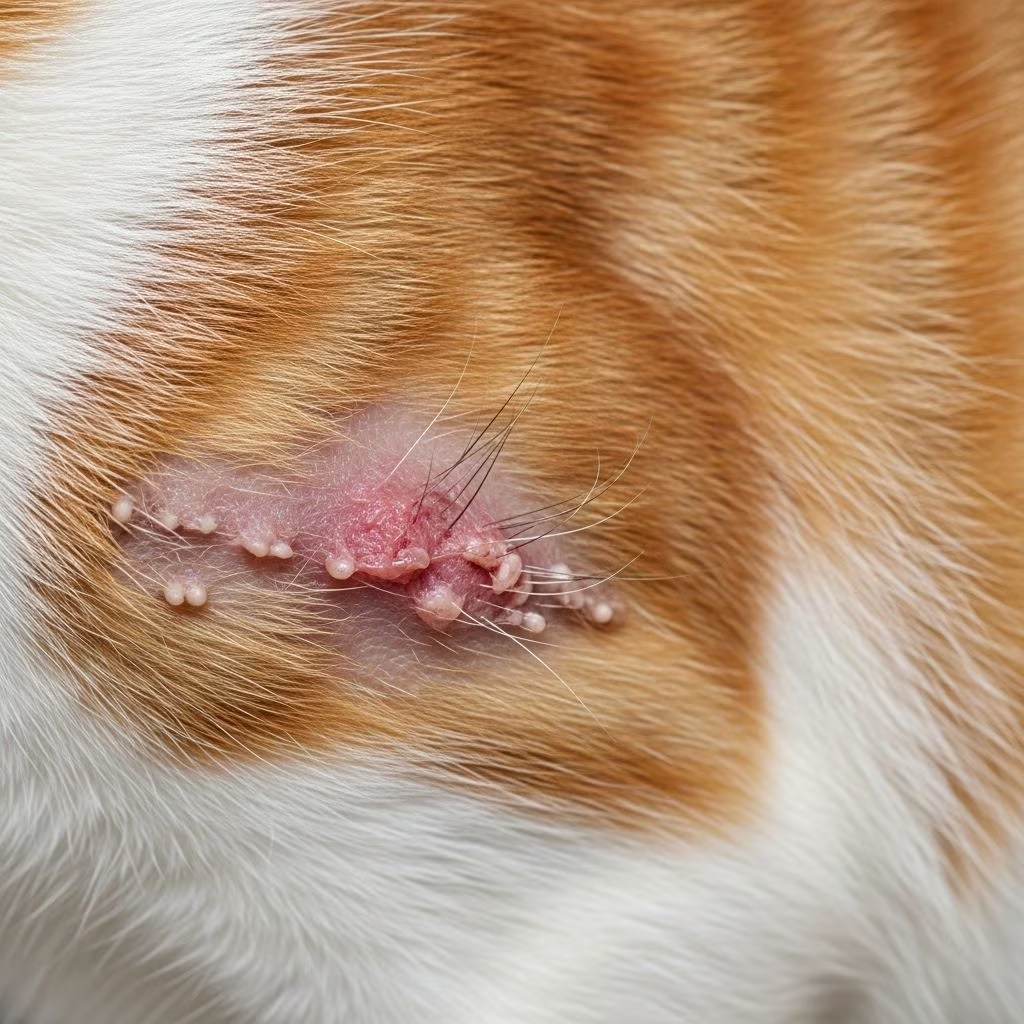
Cat skin problems can range from mild itching to severe scabbing and hair loss, often signaling underlying allergies or infections. Recognising early signs like excessive grooming or red patches allows for prompt veterinary intervention, preventing chronic discomfort for your feline companion.
Common Symptoms of Cat Skin Allergies
Allergic reactions in cats frequently manifest as **scabby skin**, **crusty eyes and face**, **breathing difficulties**, or **unusual swelling**, distinguishing them from simple irritations. Unlike humans, cats cannot verbalise their discomfort, making vigilant observation essential. Key indicators include:
- Scratching, particularly around the face, neck, and ears
- Hair loss (alopecia), often on the abdomen creating a ‘bald belly’
- Inflamed or red skin with small bumps (papules), pustules, or crusts
- Over-grooming leading to excoriations or lesions on lips and chin
- Secondary infections in ears or skin folds from constant irritation
These symptoms stem from the cat’s immune system releasing histamines in response to allergens, causing inflammation akin to human eczema, known as **atopic dermatitis** in felines. A hallmark presentation is **miliary dermatitis**, where intense itching results in clusters of tiny scabs resembling millet seeds across the body.
Types and Causes of Skin Allergies in Cats
Cats suffer from four primary allergy types: **flea allergies**, **food allergies**, **inhalant/seasonal (environmental)**, and **contact allergies**. **Flea allergy dermatitis (FAD)** is the most prevalent, triggered not by the flea itself but by saliva proteins during bites, causing whole-body itching even from a single flea. Environmental allergens like pollen, dust mites, or mould provoke **atopic dermatitis**, affecting up to 12% of UK cats and worsening seasonally. Food allergies involve proteins in diets, while contact allergies arise from bedding, collars, or chemicals.
Flea Allergy Dermatitis
The most common culprit, flea allergies provoke severe reactions from minimal exposure. Veterinary dermatologist Dr. Millie Rosales notes fleas as the top allergy she treats, easily managed with preventatives. Outdoor cats face higher risks, but indoor ones aren’t immune via tracking humans.
Food Allergies
Often misdiagnosed, food allergies cause year-round symptoms like chin acne or gastrointestinal upset alongside skin issues. Common triggers include beef, dairy, fish, and chicken—proteins cats may have eaten lifelong without prior reaction.
Environmental and Inhalant Allergies
Pollen, house dust mites, and moulds trigger these, mimicking human hay fever. Cats may sneeze or develop watery eyes alongside skin itch, peaking in summer. Breeds like Devon Rex and Abyssinian show predisposition.
Contact Allergies
Rarest, these stem from direct skin contact with irritants like detergents, plastics, or plants. Symptoms localise to contact areas, such as paws or belly.
Diagnosing Cat Skin Problems
Diagnosis requires veterinary expertise, as symptoms overlap with infections, parasites, or endocrine disorders. Vets perform:
- Skin scrapings and cytology to rule out mites, bacteria, or yeast
- Intravenous pyelogram (IVP) or blood tests for allergen-specific IgE
- Skin prick tests, though less reliable in cats due to thin skin
- Elimination diet trials for food allergies, lasting 8-12 weeks with hydrolysed or novel proteins
History of onset, breed, and lifestyle informs testing. Early diagnosis prevents self-trauma and secondary infections.
Treatment Options for Cat Skin Allergies
Treatment targets the root cause while alleviating symptoms, always under vet supervision. Long-term management is key, as allergies persist lifelong.
Miliary Dermatitis Treatment
Address underlying allergies; skin heals as triggers diminish. Short-term relief includes:
| Treatment | Use Case | Considerations |
|---|---|---|
| Corticosteroids (e.g., prednisolone) | Acute flare-ups | Risk of diabetes with prolonged use |
| Cyclosporine (Atopica) | Chronic atopic dermatitis | Immunosuppressant; monitor for GI upset |
| Antihistamines | Mild itching | Variable efficacy in cats |
| Immunotherapy (allergy shots/desensitisation) | Severe environmental allergies | 70% success rate; safest long-term |
Flea control via monthly topicals (e.g., fipronil, selamectin) is non-negotiable.
Flea Allergy Management
Strict flea prevention treats and prevents recurrence. Treat all household pets and environments with insect growth regulators.
Food Allergy Treatment
Hydrolysed or limited-ingredient diets for 8-12 weeks; challenge with originals to confirm. Lifetime avoidance follows.
Environmental Allergy Strategies
Minimise exposure: HEPA filters, frequent washing, limit outdoor time during pollen peaks. Apoquel or Cytopoint injections offer rapid itch relief.
Contact Allergy Solutions
Identify and remove irritants—switch to hypoallergenic bedding or ceramic bowls for chin acne.
Preventing Skin Issues in Cats
Proactive steps reduce allergy flares:
- Year-round flea prevention
- High-quality, novel protein diets
- Regular grooming to monitor skin
- Clean environment: vacuum weekly, wash bedding
- Annual vet check-ups for early detection
Breeds prone to allergies benefit from hypoallergenic homes. Insurance covers ongoing costs if pre-existing exclusions apply.
Other Common Cat Skin Problems
Beyond allergies:
- Chin acne: Blackheads from poor grooming; clean with chlorhexidine wipes
- Ringworm: Fungal infection causing circular alopecia; topical/systemic antifungals
- Abscesses: From fights; drain and antibiotics
- Overgrooming (psychogenic alopecia): Stress-related; address anxiety
Lumps warrant biopsy to rule out tumours.
Frequently Asked Questions (FAQs)
Why is my cat suddenly itchy all over?
Often flea allergy or atopic dermatitis; vet exam rules out parasites first.
Can indoor cats get skin allergies?
Yes, from dust mites, food, or tracked fleas; environmental control helps.
How long do allergy trials take?
Food elimination: 8-12 weeks; strict adherence needed.
Are steroids safe for cat allergies?
Short-term yes; long-term risks diabetes—prefer immunotherapy.
Does my cat have hay fever?
Possible; symptoms include sneezing, itchy skin. Keep indoors during high pollen.
References
- Cat Allergies: Why Is My Cat Itchy? — Kinship. 2023. https://www.kinship.com/cat-health/cat-allergies
- Skin allergies in cats: symptoms, causes and treatments — Petplan. 2024-10-15. https://www.petplan.co.uk/cat-insurance/cat-care-and-advice/skin-allergies-in-cats.html
- Skin problems in cats — Cats Protection. 2024. https://www.cats.org.uk/help-and-advice/health/skin-problems-in-cats
- Skin allergies in cats — Joii Pet Care. 2024. https://www.joiipetcare.com/blogs/health-conditions/skin-allergies-in-cats



