

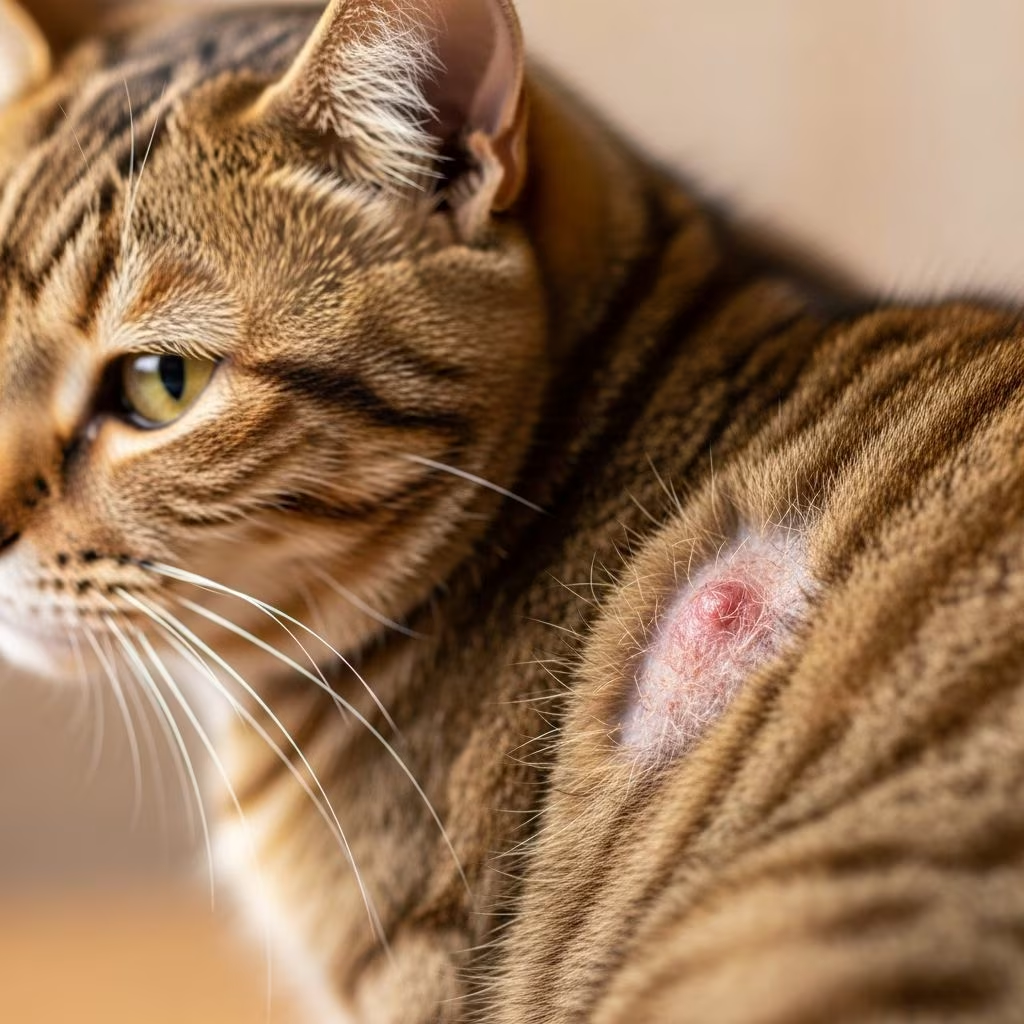
Healthy skin serves as a vital barrier for cats, protecting against infections and regulating body temperature. When skin disorders arise, they can lead to discomfort, behavioral changes, and secondary complications. This guide examines prevalent feline skin conditions, their manifestations, underlying triggers, and proven interventions, drawing from veterinary expertise to empower cat owners.
Recognizing Early Indicators of Feline Skin Troubles
Observant owners often detect skin issues through subtle shifts in their cat’s appearance or habits. Common signals include relentless scratching, particularly around the neck, tail base, or hindquarters, which may evolve into raw patches if unchecked. Hair loss in localized or widespread areas, accompanied by flaky dandruff or a dull coat, frequently signals deeper problems.
- Intense grooming: Cats may lick excessively, creating moist, reddened spots prone to ulceration.
- Visible lesions: Redness, pustules, scabs, or circular bald patches indicate inflammation or infection.
- Behavioral cues: Irritability, reduced appetite, or lethargy often accompany persistent itchiness.
- Odor and discharge: Foul smells or pus from sores suggest bacterial overgrowth.
Early vigilance prevents escalation; a prompt veterinary exam, potentially involving skin scrapings or cytology, confirms diagnoses accurately.
Parasite-Driven Skin Reactions in Cats
External parasites top the list of culprits for feline dermatological distress. Fleas, though tiny, provoke outsized responses in sensitive cats via their saliva.
Flea Hypersensitivity Reactions
Known as flea allergy dermatitis, this condition affects even minimally infested cats. A lone flea bite triggers severe pruritus, manifesting as papules, crusts, and self-inflicted wounds primarily on the dorsal lumbar region and thighs. Black specks of flea excrement confirm infestation. Management demands rigorous parasite eradication using vet-prescribed topicals or orals, paired with anti-inflammatory therapies like short-term corticosteroids to break the itch-scratch cycle.
Mite Infestations and Ear Irritations
Otodectes cynotis, or ear mites, burrow into ear canals, producing dark, coffee-ground-like debris and frantic head shaking. Untreated, they foster bacterial otitis. Diagnosis via microscopic exam leads to acaricidal drops and ear flushing. Sarcoptic or demodectic mites cause generalized crusting and alopecia, treated similarly with miticides and supportive care.
Allergic Responses and Environmental Triggers
Allergies rank among the most stubborn cat skin disorders, stemming from food, airborne particles, or contact irritants.
Atopic and Contact Dermatitides
Environmental allergens like pollen or dust mites provoke atopic dermatitis, yielding erythematous paws, face, and ears alongside chronic licking. Food sensitivities, often to proteins like beef or fish, mimic these with similar eosinophilic plaques or head/neck pruritus. Veterinary protocols include hypoallergenic diet trials lasting 8-12 weeks, allergen testing, and symptom palliation via antihistamines or apoquel-like drugs.
| Condition | Key Sites | Hallmarks |
|---|---|---|
| Flea Allergy | Tail base, flanks | Crusts, intense itch |
| Atopic Dermatitis | Face, paws, ears | Redness, secondary infections |
| Food Allergy | Head, neck, belly | Persistent grooming, ulcers |
Bacterial and Fungal Pathogens on Feline Skin
Infections exploit compromised barriers, amplifying primary issues.
Bacterial Folliculitis and Pyodermas
Superficial pyoderma presents as follicular pustules and epidermal collarettes, often secondary to allergies. Staphylococcus species dominate; cultures guide antibiotic selection like cephalexin for 3-6 weeks, complemented by chlorhexidine washes. Deep pyodermas erode dermis, requiring longer courses and drainage.
Dermatophytosis: The Ringworm Menace
Trichophyton or Microsporum fungi create alopecic, scaling lesions with broken hairs, highly transmissible zoonotically. Wood’s lamp fluorescence aids screening, but culture confirms. Dual therapy—topical lime sulfur dips and oral itraconazole or terbinafine for 4-8 weeks—plus rigorous decontamination of environs eradicates spores.
Sebaceous and Keratinization Abnormalities
Disruptions in oil production yield unique presentations.
Chin Acne and Comedonal Disorders
Feline acne features comedones, erythema, and exudative folliculitis on the chin, linked to hygiene deficits or plastic bowls harboring lipases. Mild cases respond to benzoyl peroxide wipes and ceramic dish switches; severe suppuration warrants retinoids or antibiotics.
Xerosis and Dandruff Syndromes
Dry skin flakes from nutritional shortfalls, ectoparasites, or hypothyroidism, dulling the pelage. Omega-3 supplementation via fish oils restores barrier function, alongside humidification and parasite prophylaxis.
Rare Autoimmune and Neoplastic Concerns
Though uncommon, pemphigus foliaceus auto-attacks desmogleins, yielding pustular crusts on pinnae, planum nasale, and digits. Biopsy verifies; glucocorticoids with azathioprine induce remission. Cutaneous lymphoma or squamous cell carcinoma masquerade as chronic dermatitis, necessitating oncology referral.
Comprehensive Diagnostic Approaches
Vets employ tiered evaluations: history probes flea exposure and diet; dermatography reveals patterns; trichograms assess follicles; biopsies differentiate. Allergy trials exclude edibles; intradermal testing pinpoints atopens.
Treatment Modalities and Home Care
Therapy targets etiology while soothing symptoms.
- Parasiticides: Isroxazoline class (e.g., fluralaner) monthly.
- Anti-inflammatories: Prednisolone tapers, cyclosporine for recalcitrant cases.
- Antimicrobials: Culture-directed durations prevent resistance.
- Nutraceuticals: EPA/DHA at 40mg/kg daily enhances epidermopoiesis.
Home strategies encompass e-collars to deter mutilation, hypoallergenic bedding, and air purifiers. Medicated shampoos (e.g., ketoconazole/miconazole) weekly aid topicals.
Preventive Strategies for Lasting Skin Wellness
Proactive measures fortify resilience: year-round flea preventives, novel protein diets for predisposed breeds like Siamese, and routine groomings remove debris. Annual dermatologic screens catch subclinical issues.
Frequently Asked Questions
Can cat skin problems resolve without veterinary intervention?
Minor dry skin might improve with diet tweaks, but persistent symptoms demand professional assessment to avert complications.
How long do ringworm treatments last?
Typically 4-8 weeks, with follow-up cultures ensuring clearance.
Are food allergies common in cats?
Yes, affecting 10-15% of pruritic cases; hydrolyzed diets confirm.
What if my cat licks medications off?
Flavored liquids, transdermals, or cones facilitate compliance.
Do breeds influence skin disorder risk?
Devons and Sphynx show heightened atopy; Persians acne.
References
- Skin Conditions in Cats: Types, Symptoms & Treatment — UrgentVet. 2023-10-15. https://urgentvet.com/skin-conditions-in-cats-types-symptoms-treatment/
- Common Cat Skin Problems & How To Recognize Them — Bond Vet. 2024-05-22. https://bondvet.com/blog/cat-skin-problems
- Skin Conditions in Cats: Types, Symptoms, and Treatment — PetMD. 2025-01-10. https://www.petmd.com/cat/general-health/skin-conditions-in-cats
- Common skin conditions for Cats — Paducah Veterinary Clinic. 2024-08-03. https://www.paducahvet.com/blog/1266761-common-skin-conditions-for-cats
- Feline Skin Diseases — Cornell University College of Veterinary Medicine. 2023-11-28. https://www.vet.cornell.edu/departments-centers-and-institutes/cornell-feline-health-center/health-information/feline-health-topics/feline-skin-diseases



