

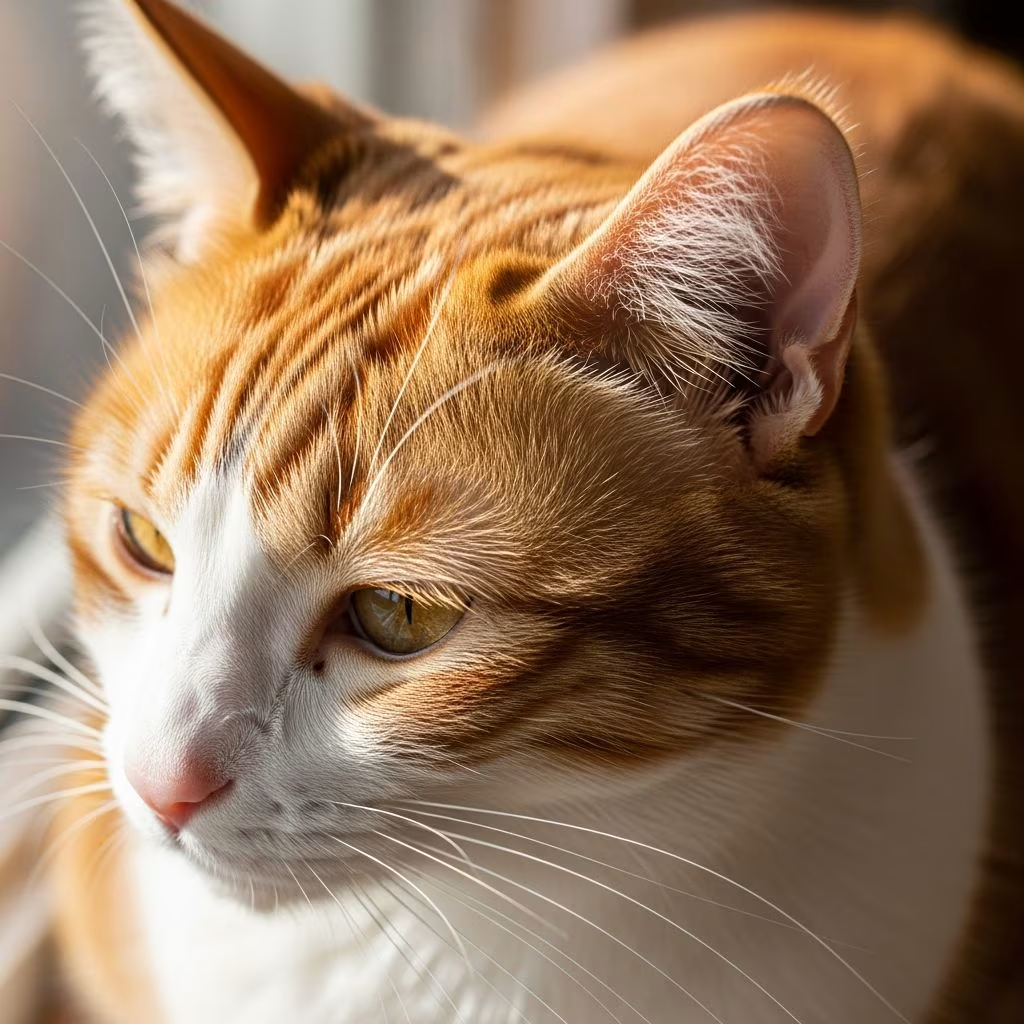
Your cat’s skin and coat serve as a visible barometer of their overall health, reflecting everything from diet quality to potential medical concerns. A glossy, smooth fur coat paired with supple skin points to vitality, while changes like dryness, flakiness, or bald areas often signal underlying problems that demand attention.
Why Monitoring Your Cat’s Fur and Skin Matters
The feline coat isn’t just for show; it’s a dynamic system tied to nutrition, immunity, and environmental factors. Healthy skin underneath the fur protects against infections and regulates body temperature, while the coat insulates and camouflages. Disruptions in this balance can manifest quickly, offering early warnings of issues like nutritional gaps or allergies.
Regular inspections during petting sessions help you notice subtle shifts. Part the fur gently to check the skin for elasticity and color—pink and smooth is ideal. Any deviation warrants closer scrutiny to prevent minor issues from escalating.
Recognizing a Healthy Coat and Skin
A thriving cat exhibits specific traits in their exterior appearance:
- Shiny, smooth fur: Lies flat with a natural luster from evenly distributed oils.
- Elastic, pale pink skin: Bounces back when gently pinched, free of scales or redness.
- Moderate shedding: Seasonal increases are normal, but constant tufts signal excess.
- No odor: A clean scent without muskiness or sourness.
These markers confirm balanced nutrition and low stress levels, supporting robust health.
Common Warning Signs in Feline Skin and Coat
Deviations from the norm can pinpoint specific troubles. Here’s a breakdown of frequent indicators:
| Sign | Description | Possible Causes |
|---|---|---|
| Dull or dry fur | Lifeless, brittle hair lacking sheen | Nutrient shortages, poor hydration |
| Excessive shedding | Clumps of hair beyond normal cycles | Stress, diet imbalances, allergies |
| Itching and scratching | Constant pawing at skin, bald spots from overgrooming | Fleas, allergies, infections |
| Flaky or scaly skin | White dandruff-like flakes | Fatty acid deficiencies, dehydration |
| Redness or hot spots | Inflamed patches, raw areas | Dermatitis, parasites |
| Bald patches | Sudden hair loss in spots | Hormonal issues, fungal infections |
| Unusual odors | Musky, yeasty smells from skin | Yeast overgrowth, glandular problems |
These symptoms rarely occur in isolation; tracking patterns helps narrow causes.
Nutritional Factors Influencing Skin and Coat Quality
Diet forms the foundation of feline dermal health. Cats, as obligate carnivores, require high-quality animal proteins for amino acids that build keratin, the protein in fur and skin.
Essential fatty acids like omega-3 and omega-6 maintain moisture barriers, preventing dryness and flaking. Deficiencies lead to coarse coats and itchiness, as seen in studies on lipid needs. Vitamins A and E act as antioxidants, combating inflammation, while zinc and B vitamins support cell turnover.
Poor diets with fillers or oxidized fats exacerbate problems, increasing parasite vulnerability. Hydration is equally vital; insufficient water intake dries skin, weakening follicles.
Allergies and Environmental Triggers
Allergic reactions often target the skin first. Food sensitivities to grains, artificial additives, or common proteins like chicken provoke itching and redness. Environmental allergens such as pollen or dust mites cause similar flare-ups, prompting excessive grooming that thins fur.
Fleas and mites irritate directly, creating cycles of scratching and secondary infections. Even stress from household changes can mimic allergies through overgrooming, leading to patchy loss.
Stress and Behavioral Impacts on Appearance
Cats internalize stress physically. Routine disruptions, new pets, or loud environments trigger cortisol spikes, disrupting oil production and causing dullness or shedding. Compulsive licking creates psychogenic alopecia—hair loss from behavioral overgrooming.
Observe for accompanying signs like hiding or appetite changes to differentiate stress from medical issues.
Preventive Grooming and Home Care Strategies
Proactive routines bolster resilience:
- Weekly brushing: Removes loose fur, stimulates circulation, and spreads sebum for natural shine.
- Bathing sparingly: Use cat-safe shampoos only for heavy soiling to preserve oils.
- Environmental control: Vacuum regularly, wash bedding to minimize allergens.
- Hydration boosts: Wet food or fountains encourage intake.
Supplements with omegas can bridge dietary gaps, but consult vets first.
When to Consult a Veterinarian
Not all issues resolve with home care. Seek professional help if symptoms persist beyond a week, worsen, or include lethargy, vomiting, or weight loss. Vets may perform skin scrapes, allergy tests, or bloodwork to diagnose parasites, infections, or endocrine disorders.
Early intervention prevents chronic conditions like hyperthyroidism-related hair loss or autoimmune dermatitis.
Optimizing Diet for Optimal Coat Condition
Transition to nutrient-dense foods emphasizing:
- Premium proteins (fish, venison) for bioavailability.
- Balanced fats with omegas from sources like salmon.
- Antioxidant-rich formulas to fight oxidative stress.
Monitor improvements over 4-6 weeks; sustained changes indicate compatibility.
Frequently Asked Questions
Why is my cat’s fur suddenly dull?
Dull fur often stems from omega deficiencies, dehydration, or stress. Enhance diet with fatty acids and ensure fresh water access.
Is excessive shedding always a problem?
No, but beyond seasonal norms, it may indicate allergies or nutrition gaps. Brushing and diet tweaks help.
Can stress really cause bald spots?
Yes, through overgrooming. Address stressors and observe for behavioral shifts.
What home remedies soothe itchy skin?
Oatmeal baths or fish oil supplements offer relief, but vet approval is essential to rule out infections.
How often should I groom my cat?
2-3 times weekly for longhairs, weekly for shorthairs, to maintain coat health.
References
- Your pet’s skin and coat – A key indicator of health — Farmina. 2023. https://www.farmina.com/us/pet-care/geniustips/236/your-pets-skin-and-coat-a-key-indicator-of-health.html
- Cat Skin & Coat Health: A Guide to Common Problems — Stylla Care. 2024. https://styllacare.com/blogs/cat/feline-skin-coat-health-a-guide-to-common-problems-how-to-help
- Why Your Cat’s Skin and Coat Reveal More About Their Health — Addiction Pet. 2024. https://addictionpet.com.sg/blogs/skin-coat-cat/why-your-cats-s-skin-and-coat-reveal-more-about-their-health-than-you-think
- 10 signs that show your cat is healthy — Ziggy Family. 2023. https://ziggyfamily.com/en/blogs/cats/10-signs-that-show-your-cat-is-healthy
- Your Cat’s Healthy Skin and Coat — Purina Canada. 2024. https://www.purina.ca/articles/cat/health/your-cats-healthy-skin-and-coat
- What Your Cat’s Coat Says About Its Health — Bold by Nature. 2023. https://boldbynature.com/uncategorized/cat-coats-101-what-your-cats-coat-says-about-its-health/



