

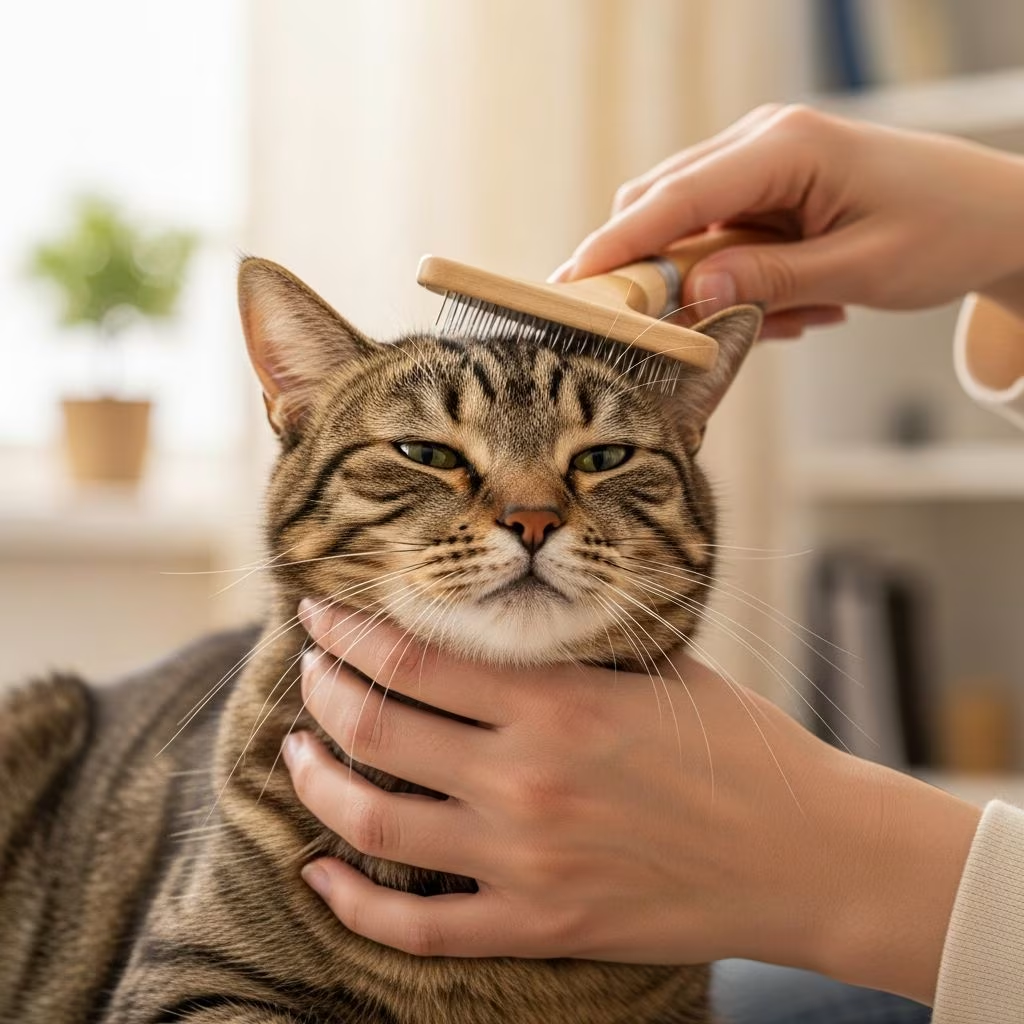
A healthy skin and coat are vital indicators of your cat’s overall well-being, reflecting good nutrition, hygiene, and environmental management. Cats with vibrant fur and smooth skin tend to be more active and comfortable, while dull coats or irritated skin often signal underlying problems like poor diet or parasites. This guide explores practical steps to nurture your feline’s dermatological health, drawing from established veterinary practices.
Foundations of Feline Dermatology
The skin serves as your cat’s primary barrier against infections and environmental stressors, while the coat provides insulation and protection. Disruptions such as excessive scratching, flaking, or bald patches can arise from nutritional gaps, allergies, or pests. Maintaining balance through targeted care ensures resilience against these challenges.
Key signs of trouble include persistent itching, redness, scabs, or unusual shedding patterns. Early detection via daily observation during petting sessions allows for timely intervention, preventing escalation to conditions like dermatitis or infections.
Nutrition: The Core of Skin Vitality
Diet forms the bedrock of skin and coat quality. High-quality proteins supply amino acids essential for keratin production, the protein building hair shafts. Fats, particularly omega-3 and omega-6 fatty acids from sources like fish oil, reduce inflammation and hydrate the skin barrier.
Vital micronutrients include:
- Vitamin E: An antioxidant that shields skin cells from oxidative damage and supports regeneration.
- Biotin (Vitamin B7): Aids in fat and protein metabolism for a glossy coat.
- Zinc: Regulates cell turnover and accelerates healing of minor wounds.
Opt for commercial cat foods listing meat as the primary ingredient, supplemented with these nutrients. Wet foods enhance hydration, crucial since dehydration manifests as dry, flaky skin. Consult a veterinarian before major diet shifts, especially for cats with sensitivities.
| Nutrient | Benefits for Skin/Coat | Food Sources |
|---|---|---|
| Omega-3 Fatty Acids | Reduces inflammation, improves moisture retention | Fish oil, salmon-based kibble |
| Protein | Supports hair growth and skin repair | Chicken, turkey, beef in cat formulas |
| Zinc | Promotes wound healing, prevents scaling | Fortified cat foods, organ meats |
Grooming Routines for Optimal Shine
Regular grooming removes dead hair, redistributes natural sebaceous oils, and stimulates blood flow to follicles. For short-haired breeds, brush 1-2 times weekly; long-haired cats benefit from daily sessions to avert mats, which trap moisture and foster bacterial growth.
Use cat-specific tools like slicker brushes or de-shedders to minimize stress. During sessions, inspect for lumps, fleas, or hotspots. This practice not only enhances coat luster but also fortifies the owner-pet bond.
Bathing should be infrequent—only for dirt accumulation or veterinary prescription—to avoid stripping protective oils. Employ mild, feline-formulated shampoos, rinse thoroughly, and dry gently. Alternatives like damp cloths suffice for allergen removal in allergy-prone cats.
Combating Parasites: Flea and Tick Defense
Fleas top the list of skin aggravators, triggering flea allergy dermatitis in sensitive cats, leading to intense itching, hair loss, and secondary infections. Even indoor cats face risk via rodents or human-transmitted pests.
Implement year-round prevention with vet-approved topicals, orals, or collars. Monthly applications disrupt parasite life cycles. Combine with environmental controls: vacuum daily, wash bedding weekly, and treat all household pets.
- Spot-on treatments: Applied to skin, kill fleas on contact.
- Oral medications: Ingested, preventing flea development.
- Combos: Target fleas, ticks, and heartworms simultaneously.
Environmental Influences on Skin Health
Indoor air quality impacts skin profoundly. Low humidity causes dryness; combat with humidifiers. Dust and pollen exacerbate allergies—regular cleaning and air filters help.
For outdoor cats, provide shade to prevent sunburn, a cancer risk on light-skinned ears and noses. Cat-safe sunscreens exist for high-exposure cases. Minimize stress through stable routines, as anxiety worsens pruritus.
Supplements and Hydration Boosters
When diet falls short, supplements bridge gaps. Fish oil capsules deliver concentrated omegas, easing inflammation over weeks. Probiotics support gut health, indirectly benefiting skin via improved nutrient absorption.
Ensure constant fresh water access; fountains encourage drinking. Wet food integration adds moisture, vital for plump skin cells.
Veterinary Oversight and Interventions
Annual exams, or biannual for seniors/kittens, enable early skin evaluations. Vets may diagnose allergies, infections, or endocrine issues via biopsies or cultures.
Treatments range from medicated shampoos targeting fungi/bacteria to steroids for allergies or antibiotics for infections. Always adhere to protocols for best outcomes.
Frequently Asked Questions
Why is my cat losing hair in patches?
Patchy alopecia often stems from fleas, allergies, or overgrooming. Vet assessment rules out ringworm or hyperthyroidism.
How often should I bathe my cat?
Rarely—monthly at most unless medically advised. Overbathing dries skin.
Can diet alone fix my cat’s itchy skin?
It helps but address parasites first. Combine with grooming and preventives.
Are supplements safe for cats?
Vet-approved ones are; avoid human formulas due to toxicity risks.
What if grooming stresses my cat?
Start slow in kittenhood; use treats and short sessions.
Holistic Daily Regimen
Integrate care: Feed nutrient-dense meals, groom routinely, apply preventives monthly, monitor environment, and schedule vet visits. Consistency yields a resilient, radiant cat.
This regimen, backed by veterinary consensus, minimizes issues and maximizes comfort. Track progress with photos; adjust per professional advice.
References
- Healthy Skin, Happy Cat: How to Boost Your Cat’s Coat Health — Dr. Elsey’s. Accessed 2026. https://drelseys.com/healthy-skin-happy-cat-how-to-boost-your-cats-coat-health/
- 7 Secrets to Reducing Skin Problems in Cats — PetHonesty. Accessed 2026. https://www.pethonesty.com/blogs/blog/secrets-to-reduce-skin-problems-cats
- Common Skin Conditions in Cats: Causes & Treatments Guide — Welltayl. Accessed 2026. https://welltayl.com/blogs/news/skin-conditions-in-cats
- Grooming a Cat: A Guide to Bathing & Brushing — Purina. Accessed 2026. https://www.purina.com/articles/cat/health/routine-care/grooming-a-cat
- 6 Easy Ways to Improve Your Cat’s Skin — PetMD. Accessed 2026. https://www.petmd.com/cat/slideshows/6-easy-ways-improve-your-cats-skin
- Cat Skin & Coat Health: A Guide to Common Problems — Stylla Care. Accessed 2026. https://styllacare.com/blogs/cat/feline-skin-coat-health-a-guide-to-common-problems-how-to-help
- Coat and Skin Appearance in the Healthy Cat — VCA Animal Hospitals. Accessed 2026. https://vcahospitals.com/know-your-pet/coat-and-skin-appearance-in-the-healthy-cat



