

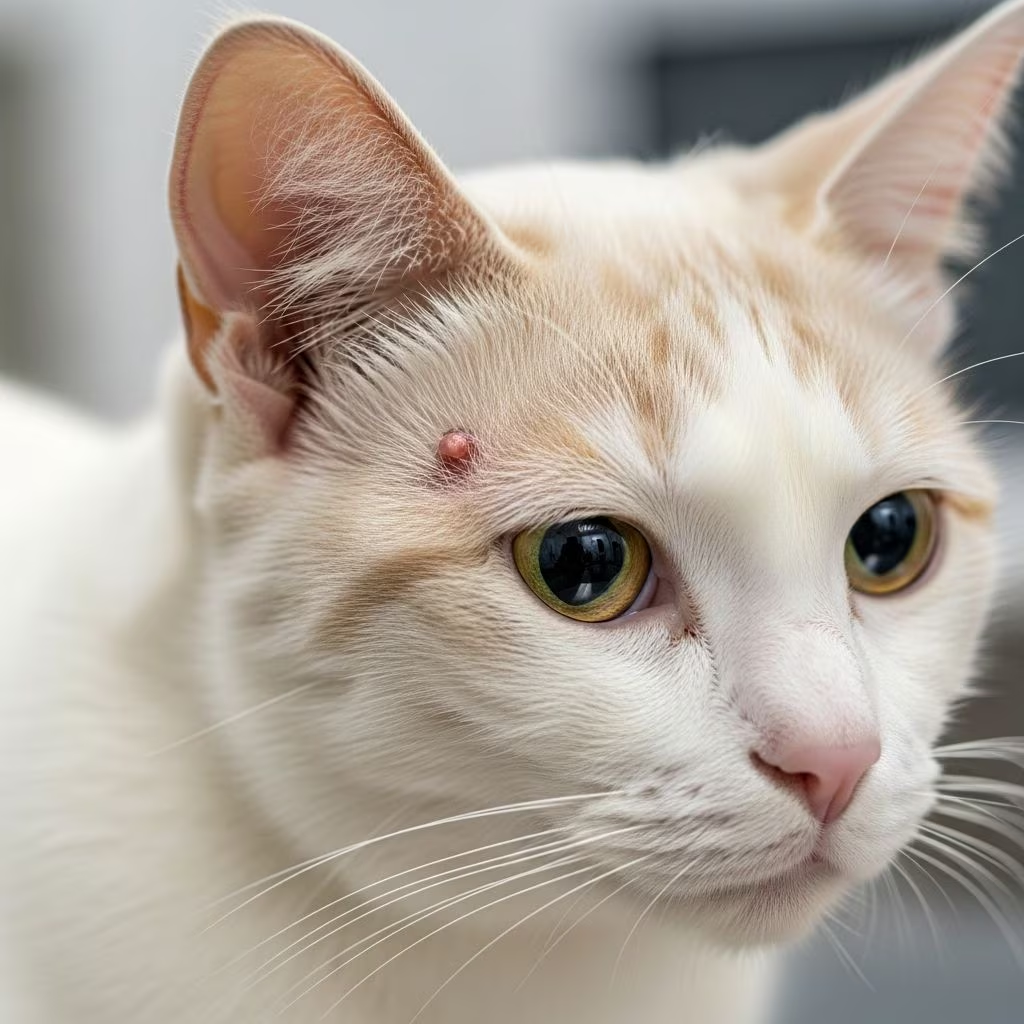
Skin cancer affects cats through various malignant growths that demand prompt attention from owners and veterinarians. Early identification of abnormalities like persistent lumps or non-healing sores significantly improves outcomes for affected felines.
Prevalence and Risk Factors in Feline Skin Malignancies
Skin tumors represent a notable health concern for cats, particularly as they age. While many growths prove benign, malignant forms such as squamous cell carcinoma and fibrosarcomas pose serious threats due to their invasive nature. Light-skinned or white cats face heightened vulnerability, especially on sun-exposed regions like ears and noses, where ultraviolet radiation accelerates cellular mutations.
Factors elevating risk include prolonged outdoor exposure without protection, genetic predispositions in breeds like Persians and Himalayans, and prior injection sites that may trigger rare sarcomas. Older cats over seven years exhibit increased incidence, underscoring the need for routine skin checks during wellness visits. Environmental influences, such as repeated sunburns leading to solar keratosis, serve as precursors to full-blown carcinomas.
Primary Types of Skin Cancer Affecting Cats
Cats encounter diverse skin cancers, each with distinct characteristics and behaviors. Understanding these variations aids in swift recognition and intervention.
- Squamous Cell Carcinoma (SCC): This aggressive malignancy arises from flat skin cells, frequently targeting sparsely haired areas. It manifests on ear tips, nasal planum, and eyelids, causing crusty ulcerations and rapid local spread.
- Fibrosarcoma: Originating in connective tissues, these firm, infiltrative tumors often link to vaccination sites between shoulder blades or along the trunk. Though slow to metastasize, they demand wide surgical excision.
- Basal Cell Tumors: Common in senior cats, these firm, movable masses develop in the skin’s basal layer. Predominantly benign yet capable of malignancy, they require histological confirmation.
- Mast Cell Tumors: These itchy, ulcerative lesions provoke excessive grooming and inflammation. Variable in aggression, they respond well to multimodal therapies.
Less frequent variants include sebaceous gland adenocarcinomas and malignant trichoepitheliomas, which recur if incompletely removed and may involve lymph nodes.
Recognizing Early Warning Signs
Vigilant owners play a crucial role in detecting skin cancer before it advances. Common indicators include:
- Persistent, non-healing sores or ulcers oozing fluid or blood.
- Unusual lumps, bumps, or raised areas with irregular, hardened edges.
- Crusting, scabbing, or black patches, especially on ears, nose, or eyelids.
- Skin discoloration, scaling, or red plaques in sun-exposed zones.
- Excessive itching, bleeding, or nasal discharge signaling deeper involvement.
Accompanying systemic signs like lethargy, appetite loss, or weight reduction often indicate progression. Regular grooming sessions provide ideal opportunities for thorough inspections.
Diagnostic Approaches for Accurate Identification
Veterinarians employ a systematic process to differentiate cancerous growths from benign ones. Initial exams involve fine-needle aspiration or biopsies for cytological analysis, revealing malignant cells.
Advanced imaging such as radiographs, ultrasounds, or CT scans assesses metastasis to lymph nodes, lungs, or bones, particularly for SCC and fibrosarcomas. Histopathology of excised tissues offers definitive typing and grading, guiding treatment plans. Bloodwork evaluates overall health, ensuring suitability for anesthesia or chemotherapy.
| Diagnostic Method | Purpose | Benefits |
|---|---|---|
| Fine-Needle Aspiration | Cell sampling | Quick, minimally invasive |
| Biopsy/Histopathology | Tissue analysis | Confirms malignancy type |
| Imaging (X-ray, CT) | Metastasis check | Stages disease extent |
Comprehensive Treatment Strategies
Treatment selection hinges on tumor type, location, size, and metastasis status. Multimodal approaches yield optimal results.
Surgical Intervention: The cornerstone for localized tumors, aiming for wide margins to prevent recurrence. Ear tip amputations effectively manage SCC on pinnae, while limb-sparing techniques suit trunk fibrosarcomas.
Radiation Therapy: Ideal for inoperable or incompletely resected masses, delivering targeted high-energy beams to shrink tumors and control local spread.
Chemotherapy: Systemic agents like lomustine or methotrexate prove tolerable in cats, serving as adjuncts or primaries for metastatic disease.
Alternative modalities include cryotherapy for superficial lesions, laser ablation, and immunomodulatory topicals for early SCC precursors. Palliative care focuses on comfort for advanced cases.
Prognosis Factors and Long-Term Outlook
Outcomes vary widely: early-stage SCC confined to skin boasts 80-90% cure rates post-surgery, whereas metastatic fibrosarcomas carry guarded prognoses. Tumor grade, clean margins, and absence of spread critically influence survival, often spanning months to years with aggressive management.
Recurrence remains a challenge, particularly for incompletely excised sarcomas, necessitating vigilant follow-ups with imaging and exams every 3-6 months.
Prevention Measures for Feline Skin Health
Proactive steps mitigate risks effectively. Limit sun exposure during peak hours (10 AM-4 PM) for light-coated cats, employing pet-safe sunscreens or protective clothing. Indoor lifestyles drastically reduce UV damage, while regular veterinary checks facilitate early detections.
Avoid unnecessary injections by adhering to core vaccination protocols, minimizing sarcoma triggers. Antioxidant-rich diets support skin integrity, potentially deterring precancerous changes.
Frequently Asked Questions (FAQs)
Is skin cancer common in cats?
Yes, particularly in seniors and light-pigmented breeds, with SCC leading due to sun exposure.
Can cat skin cancer be cured?
Many cases achieve remission with early surgery; advanced stages focus on quality life extension.
What should I do if I find a lump on my cat?
Contact your vet immediately for evaluation—most lumps are benign, but prompt checks save lives.
Does spaying/neutering prevent skin cancer?
No direct link, but it reduces certain hormone-related risks indirectly.
How much does treatment cost?
Varies widely: surgery $1,000-$5,000, chemo/radiation additional; pet insurance helps.
Holistic Support and Owner Responsibilities
Beyond medical interventions, owners enhance recovery through nutrition optimized for cancer patients—high-protein, low-carb formulas combat cachexia. Stress reduction via environmental enrichment aids immune function, while pain management ensures comfort.
Monitoring post-treatment involves tracking appetite, mobility, and skin changes, reporting anomalies swiftly. Support groups and palliative hospice services provide emotional backing during challenging journeys.
References
- Cancer in Cats: Common Types, Symptoms, Diagnosis, and Treatment — OncoDaily. 2024. https://oncodaily.com/oncolibrary/cancer-in-cats
- Tumors of the Skin in Cats – Cat Owners – Merck Veterinary Manual — Merck & Co., Inc. 2023-10-20. https://www.merckvetmanual.com/cat-owners/skin-disorders-of-cats/tumors-of-the-skin-in-cats
- Skin cancer in cats: FAQ – Blue Cross — Blue Cross. 2023. https://www.bluecross.org.uk/advice/cat/health-and-injuries/skin-cancer-in-cats
- Skin Cancer in Cats | Windsor Vets — Northeast Veterinary Cyclotron Center. 2021-11-30. https://www.nevccc.com/site/blog/2021/11/30/cat-skin-cancer
- Cat Skin Cancer: Types, Causes, Treatment & Prevention | Hill’s Pet — Hill’s Pet Nutrition. 2024. https://www.hillspet.com/cat-care/healthcare/cat-skin-cancer
- Skin Cancer in Cats | PetMD — PetMD. 2023. https://www.petmd.com/cat/conditions/cancer/skin-cancer-cats



