

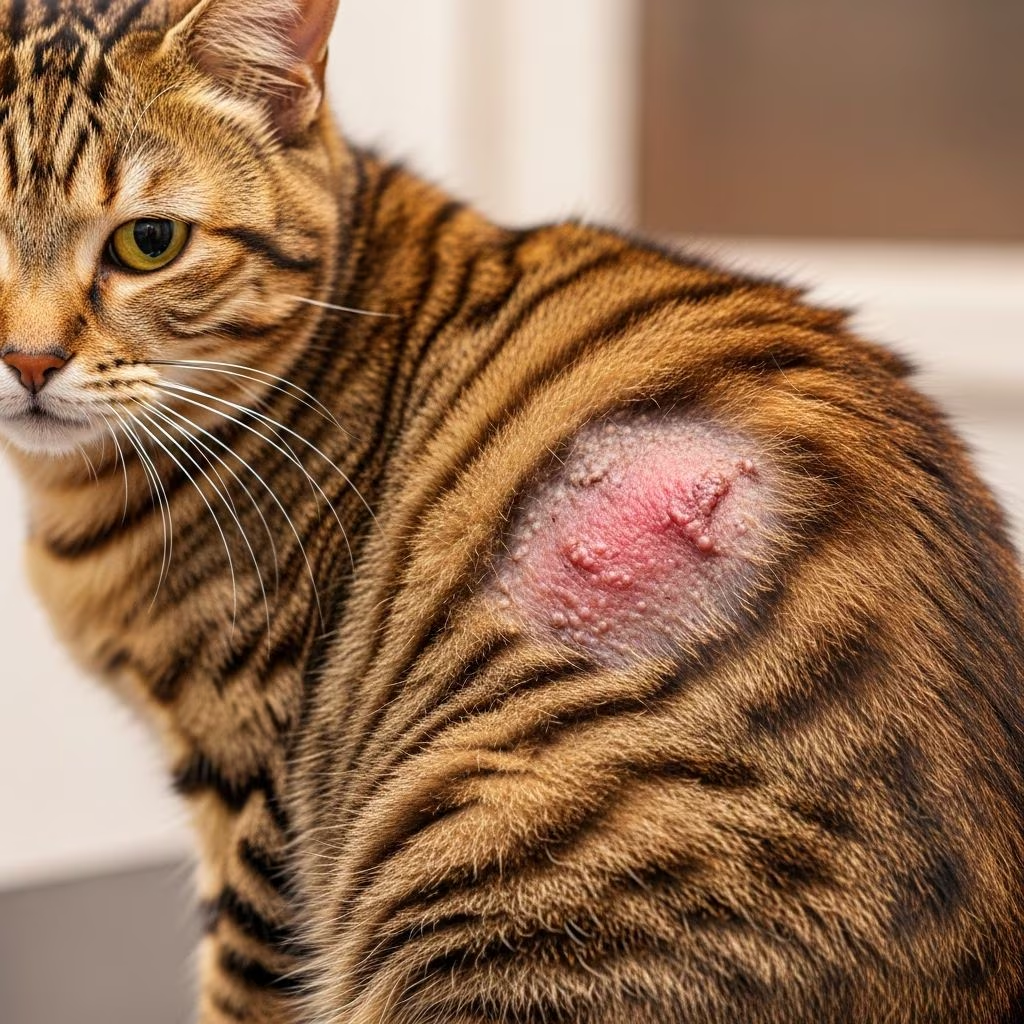
Feline skin allergies represent a frequent health challenge for cats, leading to discomfort through persistent itching and visible skin changes. These conditions arise when a cat’s immune system overreacts to harmless substances, resulting in inflammation and irritation primarily affecting the skin.
Recognizing the Signs of Skin Allergies in Cats
Early detection of skin allergies can prevent worsening and secondary complications. Cats often show subtle initial signs that escalate if untreated.
- Intense itching: Cats may scratch, lick, or chew excessively, targeting areas like the head, neck, ears, back, and tail base.
- Hair loss: Symmetrical bald patches, particularly around the neck, ears, tail base, or groin, due to overgrooming.
- Skin changes: Redness, rashes, pimples, scabs, crusts, thickened skin, or flaky patches; a bad odor may indicate infection.
- Secondary issues: Ear infections with redness, odor, head shaking; open sores or ulcers from scratching.
- Other symptoms: Respiratory signs like sneezing or discharge, or gastrointestinal upset including vomiting and diarrhea.
These manifestations can mimic other conditions, underscoring the need for professional veterinary evaluation.
Primary Causes Behind Feline Skin Allergies
Skin allergies in cats stem from specific triggers that provoke an immune response. Understanding these helps in targeted management.
Flea Allergy Dermatitis
The most common culprit, flea allergy dermatitis (FAD) occurs when cats react to flea saliva. Even a single flea bite can trigger intense itching, leading to self-trauma and infections. Symptoms often localize to the rump, tail base, and hind legs.
Food Allergies
Proteins in common foods like beef, dairy, fish, or chicken provoke reactions. Unlike other allergies, food sensitivities cause year-round symptoms unaffected by seasons.
Environmental and Atopic Dermatitis
Atopy involves airborne allergens such as pollen, dust mites, mold, or grasses. Indoor cats may react to household dust or litter additives, with symptoms peaking seasonally.
Contact Allergies
Rare but possible, these result from direct skin contact with irritants like certain fabrics, cleaning products, or flea collars, causing localized reactions on paws or belly.
| Allergy Type | Main Triggers | Typical Locations | Seasonal? |
|---|---|---|---|
| Flea | Flea saliva | Rump, tail base | No |
| Food | Proteins (beef, fish) | Face, ears, body | No |
| Environmental | Pollen, dust, mold | Head, neck, back | Often yes |
| Contact | Chemicals, fabrics | Paws, belly | Variable |
Diagnostic Approaches for Accurate Identification
Veterinarians employ systematic methods to pinpoint allergy sources, ruling out parasites, infections, or hormonal issues first.
- Physical exam and history: Assessing skin, grooming habits, diet, and environment.
- Skin scrapings/cytology: To exclude mites, bacteria, or yeast infections.
- Flea comb check: Essential for detecting fleas or flea dirt.
- Elimination diet trial: Feeding novel proteins (e.g., rabbit, venison) or hydrolyzed diets for 9-12 weeks, with no treats or scraps. Reintroduce original food to confirm.
- Intradermal testing or blood tests: For environmental allergens, guiding immunotherapy.
Diagnosis requires patience, as trials must be strictly adhered to for reliable results.
Comprehensive Treatment Strategies
Treatment combines immediate relief, allergen avoidance, and long-term control, tailored to the allergy type.
Immediate Itch Relief
- Corticosteroids: Prednisone or injectable forms like Depo-Medrol reduce inflammation quickly but are used short-term due to risks like diabetes.
- Antihistamines: Chlorphenhydramine or diphenhydramine may help some cats control itching.
- Immunomodulators: Atopica (cyclosporine) suppresses immune response without steroid side effects.
Supportive Skin Care
- Medicated shampoos, sprays, or oatmeal baths soothe and cleanse skin, removing allergens.
- Omega-3 fatty acid supplements strengthen the skin barrier, reducing irritation.
- Antibiotics or antifungals for secondary infections.
Long-Term Management
- Allergy shots (ASIT): Custom immunotherapy desensitizes cats to environmental allergens, offering the best long-term solution.
- Hypoallergenic diets: Lifelong for food allergies.
- Flea preventives: Monthly topicals for FAD, plus home treatment.
Preventive Measures and Home Management
Proactive steps minimize flare-ups and enhance treatment efficacy.
- Maintain rigorous flea control on all pets and environments.
- Use fragrance-free litter and keep home dust/mold-free.
- Limit outdoor access during high-pollen periods.
- Regular grooming and hypoallergenic baths.
- Consistent novel protein diets post-diagnosis.
Monitor for recurrence and adjust preventives seasonally.
FAQs on Cat Skin Allergies
Can cat skin allergies resolve on their own?
No, they require intervention to prevent chronic issues; consult a vet promptly.
Are natural remedies effective?
Fish oils and oatmeal baths support skin health but do not cure allergies; vet guidance is essential.
How long does an elimination diet take?
Typically 9-12 weeks for accurate results, strictly followed.
Do all cats with allergies need medication lifelong?
Many do, especially for environmental or food allergies, but immunotherapy can reduce reliance.
Can allergies cause behavioral changes?
Yes, discomfort from itching may lead to irritability or hiding.
When to Seek Urgent Veterinary Care
Escalation warrants immediate attention: widespread sores, lethargy, refusal to eat, or severe infections. Early intervention prevents complications like chronic dermatitis.
References
- Cat Skin Allergies: Symptoms & Treatments — Statesboro Veterinary Hospital. 2022-03-15. https://www.sbrvet.com/site/blog/2022/03/15/cat-skin-allergies-symptoms–treatments
- Cat Skin Allergies: Symptoms & Treatments — Montecito Pet Hospital. 2024-07-15. https://www.montecitopethospital.com/site/blog/2024/07/15/cat-skin-allergy
- Cat Skin Allergy — Michigan Animal Hospital. 2023-11-30. https://www.michigananimalhospital.com/site/blog/2023/11/30/cat-skin-allergy
- Cat Skin Allergies: Types, Symptoms, and How Vets Treat Them — PetMD. N/A. https://www.petmd.com/cat/conditions/skin/cat-skin-allergies-types-symptoms-and-how-vets-treat-them
- Cat Skin Allergies & Allergic Dermatitis: Symptoms & Treatments — Purina. N/A. https://www.purina.com/articles/cat/health/skin-fur-ears/cat-skin-allergies-dermatitis



