

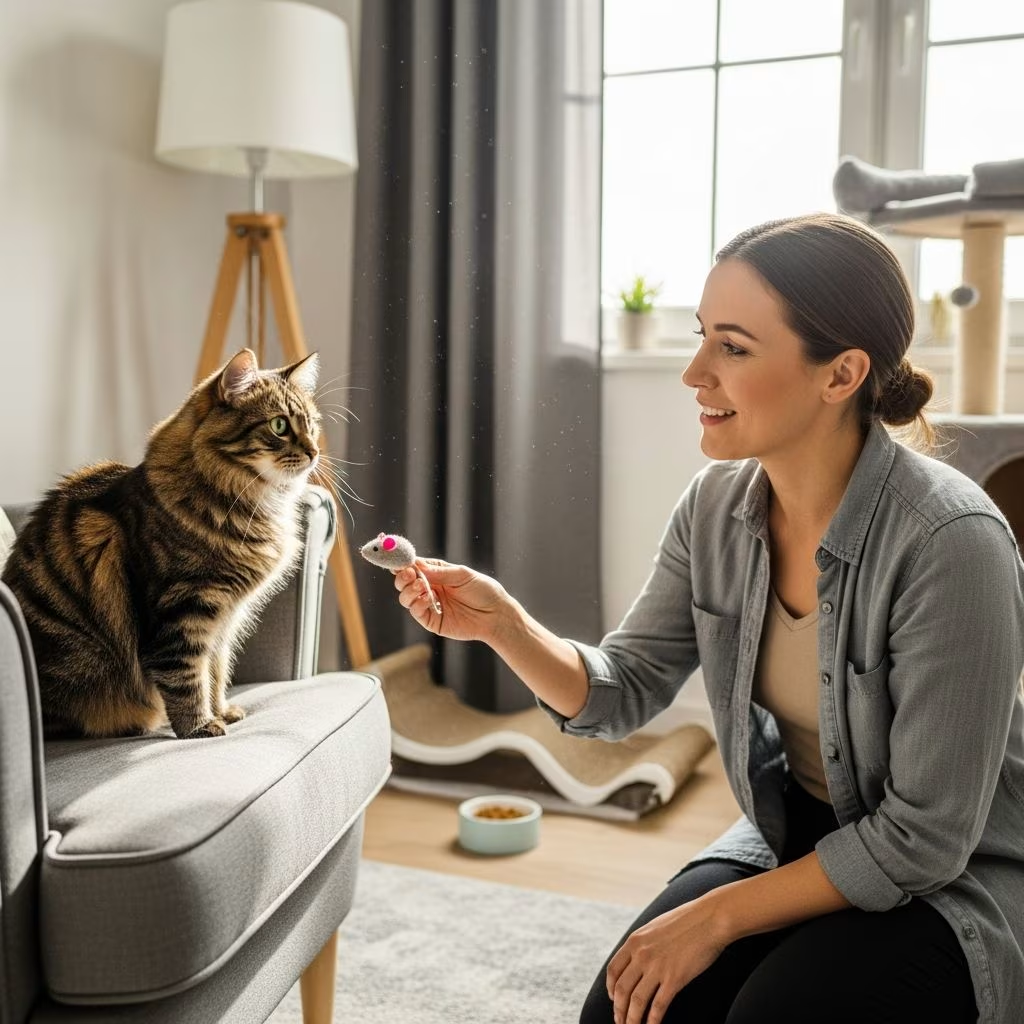
Cat Sitting Services: A Comprehensive Guide to Pet Care While You’re Away
Leaving your feline companion behind while you travel can be stressful for both you and your cat. Cats are creatures of habit, and disruptions to their routine can cause significant stress, anxiety, and behavioral issues. Understanding your options for cat care while away is essential for maintaining your pet’s wellbeing. Whether you’re planning a weekend getaway or an extended vacation, knowing how to arrange proper care ensures your cat remains happy, healthy, and secure in your absence.
Understanding Your Cat’s Needs While You’re Away
When cat parents leave their feline companions alone for extended periods, cats can experience considerable stress and confusion. The absence of their primary caregiver disrupts established routines that cats depend on for emotional security. Beyond the emotional impact, practical concerns arise when cats are left unattended. The litter box may become too soiled for your cat to use comfortably, potentially causing elimination issues elsewhere in the home. Self-cleaning litter boxes can malfunction or jam, leaving confused cats without a proper place to eliminate waste. Additionally, cats could get injured jumping from elevated locations, or they might develop health problems with no one present to notice warning signs. Water bowls can become contaminated or empty, and feeding schedules become impossible to maintain.
These physical and emotional challenges highlight why professional cat care solutions are so important. A minimum of two visits per day is recommended for cat sitting, with overnight stays being even better for maintaining your cat’s sense of security and routine.
The Benefits of Professional Cat Sitting
Professional cat sitting is considered the safest option for pet parents who need to leave their cats unattended. Having a qualified pet sitter visit your home provides numerous advantages that other care options cannot match.
When you hire a professional cat sitter to visit your home, your cat benefits from continuity in their environment. Your cat remains in familiar surroundings with access to all their favorite toys, beds, and hiding spots. The sitter can maintain your cat’s normal feeding schedule, ensuring consistent meal times that help regulate digestion and prevent stress-related eating problems. Regular litter box cleaning and monitoring prevents behavioral issues related to unsanitary conditions. Fresh water is provided daily, and your home environment can be managed appropriately—lights turned on and off, drapes opened and closed to maintain a natural day-night cycle.
Beyond the practical care tasks, human interaction during visits provides emotional comfort. Even if your cat is independent, knowing someone checks on them regularly provides peace of mind and helps reduce anxiety. Professional pet sitters can also monitor for signs of illness or injury, potentially catching health problems early.
Choosing a Professional Cat Sitter
When selecting a professional cat sitting service, several important factors should guide your decision:
Look for specialization in cat care. While some pet sitters care for both dogs and cats, those who specialize primarily in cat sitting often have deeper expertise in feline behavior and needs. Ask potential sitters specifically about their experience with cats and their understanding of cat body language and behavior.
Verify credentials and insurance. A trustworthy pet sitter should be bonded and insured. This protects both you and your cat in case of accidents or incidents. Request proof of insurance before hiring.
Conduct a trial visit. Before leaving your cat with a new sitter, arrange a test run while you’re home. This allows you to observe how the sitter interacts with your cat and gives your cat time to become familiar with the caregiver. During this trial, note whether your cat seems comfortable and whether the sitter follows your instructions carefully.
Check references. Ask for recommendations from friends, family, or your veterinarian. Personal referrals from people you trust are invaluable when selecting pet care providers. Online reviews can also provide insights into other customers’ experiences.
Communicate clearly about expectations. Before your trip, provide detailed instructions about feeding amounts, medication administration (if applicable), playtime preferences, and any behavioral concerns. Leave emergency contact information and your veterinarian’s details.
Cat Sitting Visit Frequency and Duration
The frequency and length of pet sitting visits should be tailored to your cat’s individual needs and your absence duration. A minimum of two visits per day is the standard recommendation for most cats. During each visit, the sitter should spend adequate time not just completing tasks but also providing companionship.
For extended absences of several days or longer, overnight stays are ideal. An overnight sitter can provide continuous companionship, monitor your cat throughout the night, and address any emergencies immediately. Overnight care prevents the isolation and stress that can develop during long periods alone.
During visits, sitters should:
– Clean and monitor the litter box- Provide fresh food and water- Administer medications if needed- Provide playtime and companionship- Monitor for signs of illness or distress- Adjust home lighting and environmental controls- Report any concerns to you
Pet Daycare: An Alternative Cat Care Option
If professional in-home cat sitting isn’t available or affordable in your area, pet daycare facilities offer another solution. When researching pet daycare options, prioritize facilities that are bonded and insured for your protection.
Ideally, seek out cat-specific hotels or no-cage boarding facilities that exclusively serve cats rather than mixed facilities housing both dogs and cats. Cats are sensitive to noise and unfamiliar animals, so a cat-only environment reduces stress significantly. These specialized facilities better understand feline behavior and provide appropriate environmental enrichment.
When selecting a pet daycare:
– Visit the facility in person before your cat’s stay- Observe cleanliness and safety standards- Ask about staff training and experience with cats- Inquire about how they handle stressed or anxious cats- Review their feeding and medication protocols- Ask about observation and monitoring procedures- Request updates or photos during your cat’s stay
Before dropping your cat off at daycare, pack their regular food, treats, and a familiar bed or blanket. Familiar items help your cat feel more comfortable in the new environment. Discuss any dietary restrictions, behavioral concerns, or health issues with staff members before departure.
Traveling with Your Cat: Bringing Them Along
Some cat parents prefer bringing their feline companion along on trips rather than arranging alternative care. This option works best for cats with calm temperaments and those accustomed to travel or new environments. Traveling with your cat requires careful planning and appropriate supplies.
Essential Travel Supplies for Cats
Proper equipment makes traveling with cats safer and more comfortable for everyone involved. Invest in a quality cat carrier, such as a top-load kennel, which makes transportation easier and less stressful for your cat. Top-load carriers feel more secure to cats and allow for easier loading and unloading compared to front-loading models.
Pack a cozy travel bed that smells familiar to your cat. This provides comfort and helps your cat feel secure in hotel rooms or unfamiliar spaces. Include a portable litter box and litter, ensuring your cat has a clean elimination spot even in temporary accommodations. Bring sufficient quantities of your cat’s regular food to prevent digestive upset from dietary changes.
Additional travel essentials include:
– Water bowls and a travel water fountain- Your cat’s favorite treats and toys- Medications and vaccination records- Grooming supplies and a brush- First aid supplies for minor injuries- Recent photos of your cat for identification purposes
Finding Pet-Friendly Accommodations
Not all hotels accept pets, so research pet-friendly establishments before booking your trip. Many modern hotels and vacation rentals now welcome cats and offer special amenities specifically for feline guests. Some facilities provide cat beds, bowls, and litter boxes in pet-friendly rooms. When booking, confirm the pet policy, any additional fees, and specific requirements for your cat’s stay.
Upon arrival at your hotel, set up your cat’s space with their bed, litter box, and food bowls before allowing them to explore. This creates a secure base where your cat can retreat if overwhelmed by the new environment. Keep your cat indoors in the hotel room; never allow them to roam freely outside or in hotel hallways.
Preparing Your Cat for Time Away from Home
Regardless of which care option you choose, proper preparation helps your cat adjust better to your absence. Maintain consistent routines leading up to your departure. Any changes in routine should be introduced gradually to minimize stress.
If using a professional sitter, arrange a meet-and-greet visit where your cat can become familiar with the caregiver. Leave detailed notes about your cat’s personality, preferences, and routines. Include information about hiding spots where your cat might retreat if stressed, favorite toys, and any behavioral quirks.
Leave your cat’s regular food and any specialty items the sitter might not have access to. Provide explicit instructions about portion sizes, feeding times, and any dietary restrictions. If your cat takes medications, leave clear instructions and pre-portioned doses to prevent errors.
Emergency Preparedness
Before leaving your cat in anyone’s care, ensure proper emergency protocols are in place. Provide your veterinarian’s contact information and authorization for emergency treatment. Discuss your preferences regarding veterinary decisions and any budget limitations for emergency care.
Leave a trusted neighbor’s contact information in addition to your own. If your primary caregiver cannot reach you, a backup contact can help make critical decisions if your cat becomes ill or injured.
Ensure your cat wears a collar with identification tags and consider microchipping if you haven’t already. This provides protection if your cat accidentally escapes during a caregiver’s visit.
Frequently Asked Questions About Cat Sitting
Q: How often should a pet sitter visit my cat?
A: A minimum of two visits per day is recommended for most cats. For extended absences over several days, overnight stays are even better to minimize stress and ensure continuous monitoring.
Q: What’s the difference between cat sitting and pet daycare?
A: Cat sitting involves a sitter visiting your home to care for your cat in their familiar environment. Pet daycare requires your cat to stay at a facility, which works better for social cats but can be more stressful for sensitive or anxious felines.
Q: How do I find a trustworthy pet sitter?
A: Ask for referrals from friends, family, or your veterinarian. Look for sitters who are bonded and insured, specialize in cat care, have good references, and conduct trial visits before your actual trip.
Q: Can I travel with my cat instead of using a sitter?
A: Yes, if your cat is calm and accustomed to travel. You’ll need a quality carrier, travel bed, portable litter box, and a pet-friendly hotel. This works best for adaptable cats rather than those stressed by travel.
Q: What should I do if my cat seems stressed while I’m away?
A: Ask your sitter to spend extra time with your cat and provide additional playtime. Some cats benefit from calming supplements or pheromone diffusers. Ensure the sitter maintains strict routines and doesn’t make sudden environmental changes.
Q: What information should I leave for my pet sitter?
A: Provide detailed instructions about feeding schedules and amounts, medication administration, playtime preferences, behavioral concerns, emergency contact information, and your veterinarian’s details. Include information about your cat’s personality and favorite hiding spots.
Making the Right Choice for Your Cat
Choosing the right care option for your cat while you’re away requires careful consideration of your cat’s personality, your travel duration, and available resources. In-home cat sitting is generally the best option for maintaining your cat’s emotional wellbeing and managing their specific needs. Professional sitters keep your cat in their familiar environment while maintaining established routines—the key to preventing stress and behavioral problems.
Pet daycare works well for social, adaptable cats in shorter absence situations. Traveling with your cat suits calm, adaptable felines and requires significant preparation but eliminates separation anxiety entirely.
Whatever option you choose, proper planning, clear communication, and verification of caregiver credentials ensure your cat receives excellent care while you enjoy your time away. Your cat’s safety, comfort, and emotional wellbeing should guide your decision, as this investment in quality pet care results in a happier, healthier cat and greater peace of mind for you.
References
- Hiring Cat Sitting Services While You’re Away — Chewy Education. 2025. https://www.chewy.com/education/cat/general/cat-sitting
- Tips for Hiring a Pet Sitter for Your Dog — Chewy Education. 2025. https://www.chewy.com/education/dog/pet-parenting/pet-sitter-checklist-prepping-for-pet-care-while-youre-away
- How to Find a Trustworthy, Reliable Pet Sitter — Chewy Education. 2025. https://www.chewy.com/education/cat/pet-parenting/pet-parenting-travel-8-surefire-signs-of-a-trustworthy-pet-sitter



