

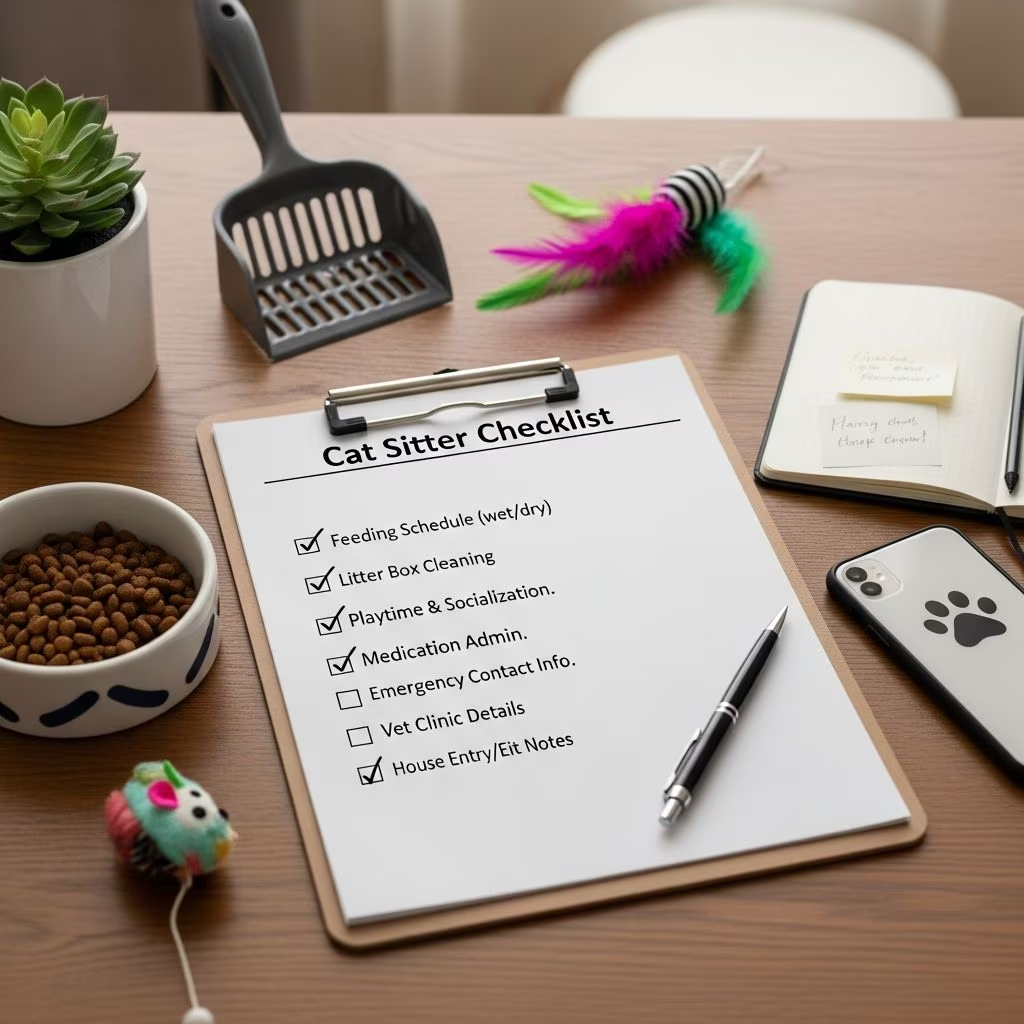
Leaving your cat with a sitter requires thorough preparation to maintain their routine, health, and comfort. This comprehensive checklist covers every essential detail, from feeding and litter to emergencies and home access, ensuring your feline thrives in your absence.
Why You Need a Cat Sitter Checklist
Cats are creatures of habit, thriving on consistency in feeding, play, and environment. A detailed checklist empowers your sitter to replicate your routine seamlessly, reducing stress for your pet and surprises upon your return. It minimizes errors like missed medications or unclean litter boxes, which can lead to health issues or behavioral problems. Professional sitters emphasize that clear instructions on food preferences, hiding spots, and emergency contacts are crucial for success. Beyond basics, it addresses quirks like fear of loud noises or preferences for certain toys, fostering trust and safety.
Preparation starts days in advance: stock supplies, introduce the sitter if possible, and create a printed or digital guide. This not only aids the sitter but also gives you peace of mind during travel. Studies from veterinary associations highlight that routine disruptions contribute to feline anxiety, making checklists indispensable for multi-day absences.
Cat Profile and Personality
Begin with a complete profile to help your sitter identify and understand your cat immediately.
- Basic Details: Full name, nicknames, age, breed, weight, microchip number (if applicable), and a recent photo highlighting markings.
- Physical Description: Fur color, eye color, distinctive features like scars or unique patterns.
- Personality Traits: Shy or outgoing? Social with strangers? Reaction to new people—hiding, approaching, or hissing?
- Behavior Quirks: Favorite petting spots (head, chin), no-go areas (belly rubs), triggers (vacuum, doorbell), and signs of stress (tail flicking, ears back).
- Favorite Comforts: Hiding spots, nap areas, toys, blankets, or pheromone diffusers for anxiety.
These details build rapport quickly. For instance, a shy cat may need time to warm up, while a playful one requires interactive sessions to prevent boredom-induced mischief.
Feeding Instructions
Precise feeding details prevent over/underfeeding and dietary issues, especially for cats on special diets.
- Food Type: Brand, flavor, dry/wet/raw mix; portion sizes per meal.
- Schedule: Times (e.g., 7 AM, 6 PM), frequency, and treats allowance.
- Special Needs: Allergies, prescription food, transition instructions, water bowl preferences (fountain or still).
- Storage and Extras: Location of food, bowls; extra stock for delays; cleanup after meals.
Stock at least double the needed amount. Note if your cat free-feeds or demands attention at mealtime—some vocalize loudly until served.
Litter Box Maintenance
Clean litter is vital for hygiene and detecting health changes like urinary issues.
- Location and Setup: Exact spots, type of litter, covered/open box preference.
- Scooping Routine: Frequency (at least 1-2x daily), full changes (weekly or as needed).
- Supplies: Scoop, bags, disposal method, extra litter/liners.
- Monitoring: Watch for accidents, blood, straining—early illness signs.
Some cats avoid freshly cleaned boxes; inform your sitter. Keep supplies accessible to avoid last-minute hunts.
Health and Medication Information
Health details can be lifesaving; provide vet authorization for emergencies.
- Medications: Name, dosage, schedule, method (pills, liquid), storage (fridge?).
- Vaccinations/Conditions: Status, allergies, chronic issues (diabetes, kidney disease).
- Vet Details: Primary vet name/address/phone/hours, emergency clinic, authorization letter.
- Symptoms to Watch: Lethargy, vomiting, diarrhea, appetite loss—when to call vet.
- Insurance: Policy number if applicable.
Include poison control hotline and first-aid kit location. Pre-fill pill organizers for ease.
Playtime, Exercise, and Outdoor Access
Enrich your cat’s day with tailored activities to combat boredom.
- Play Preferences: Toys (wand, laser), duration (15-20 mins/session).
- Exercise Routine: Indoor chasing, scratching posts, cat trees.
- Outdoor Rules: Indoor-only? Harness walks? Catio access? No unsupervised escapes.
Rotate toys for novelty. Track daily play to ensure consistency.
Home Access and Security
Clear access prevents delays and ensures safety.
- Entry: Key location, codes (garage, smart lock), parking instructions.
- Security: Alarm codes, camera apps, lights/appliances schedule.
- Off-Limits: Rooms/areas for cat or sitter.
Leave spare keys and note home quirks like squeaky doors.
Household Tasks and Additional Chores
Light duties keep your home secure and lived-in.
| Task | Frequency | Details |
|---|---|---|
| Mail/Packages | Daily | Bring inside, note senders. |
| Plant Watering | As needed | Specific plants/schedule. |
| Trash/Recycling | Scheduled days | Take out if full. |
| Lights/TV | Daily | Rotate for occupancy illusion. |
| Tidying | Per visit | Sweep hair, dishes. |
Provide WiFi password for updates and list any visitors.
Your Contact and Emergency Plan
Stay connected with clear communication channels.
- Your Info: Itinerary, phone, email, time zone.
- Backup Contacts: Neighbor, friend for unreachable times.
- Updates: Request photos/texts post-visit.
- Permissions: Vet decisions, costs covered?
Facetime meetups pre-departure ease transitions.
Preparing in Advance
Week Before:
- Vet check-up, update preventives.
- Stock supplies, clean home.
- Meet-and-greet sitter.
Departure Day:
- Final walkthrough.
- Leave printed checklist.
- Clean litter, fresh food.
Gradual introductions reduce anxiety for all.
Frequently Asked Questions (FAQs)
What should I include in a cat sitter checklist?
Essential items: cat profile, feeding/litter routines, health/vet info, behavior notes, home access, contacts, and household tasks.
How often should a sitter scoop the litter box?
At least once or twice daily; full change weekly or per your preference.
What if my cat takes medication?
List name, dosage, schedule, method; include vet authorization and storage details.
Can sitters handle emergencies?
Yes, with your permission and provided contacts; leave signed vet release.
How to prepare my shy cat for a sitter?
Schedule meet-and-greet, provide hiding spots, calming aids, and behavior notes.
What household tasks are typical?
Mail collection, plant watering, lights on, trash management to maintain normalcy.
References
- Guide to Using a Pet Sitter: Checklist & Tips — Sunnyvale Cat Clinic. 2023-05-15. https://sunnyvalecatclinic.com/news/pet-sitter-checklist
- The Ultimate Cat Sitter Checklist: Complete Care Guide — Pet Watch. 2024-02-10. https://petwatchapp.com/blog/the-ultimate-cat-sitter-checklist/
- Pet sitting checklist and tips — Naturally Fresh Cat Litter. 2023-08-20. https://www.naturallyfreshlitter.com/blog/pet-sitting-checklist-and-tips/
- The Ultimate Cat Sitting Checklist – BeLoved Pet Sitting — BeLoved Pet Sitting. 2024-01-12. https://www.belovedpetsit.com/the-ultimate-cat-sitting-checklist/
- The Ultimate Cat Sitting Checklist: What to Ask, Expect, & Avoid — Woofies. 2023-11-05. https://www.woofies.com/south-riding/about-us/blog/pet-sitting/the-ultimate-cat-sitting-checklist-what-to-ask-e/



