

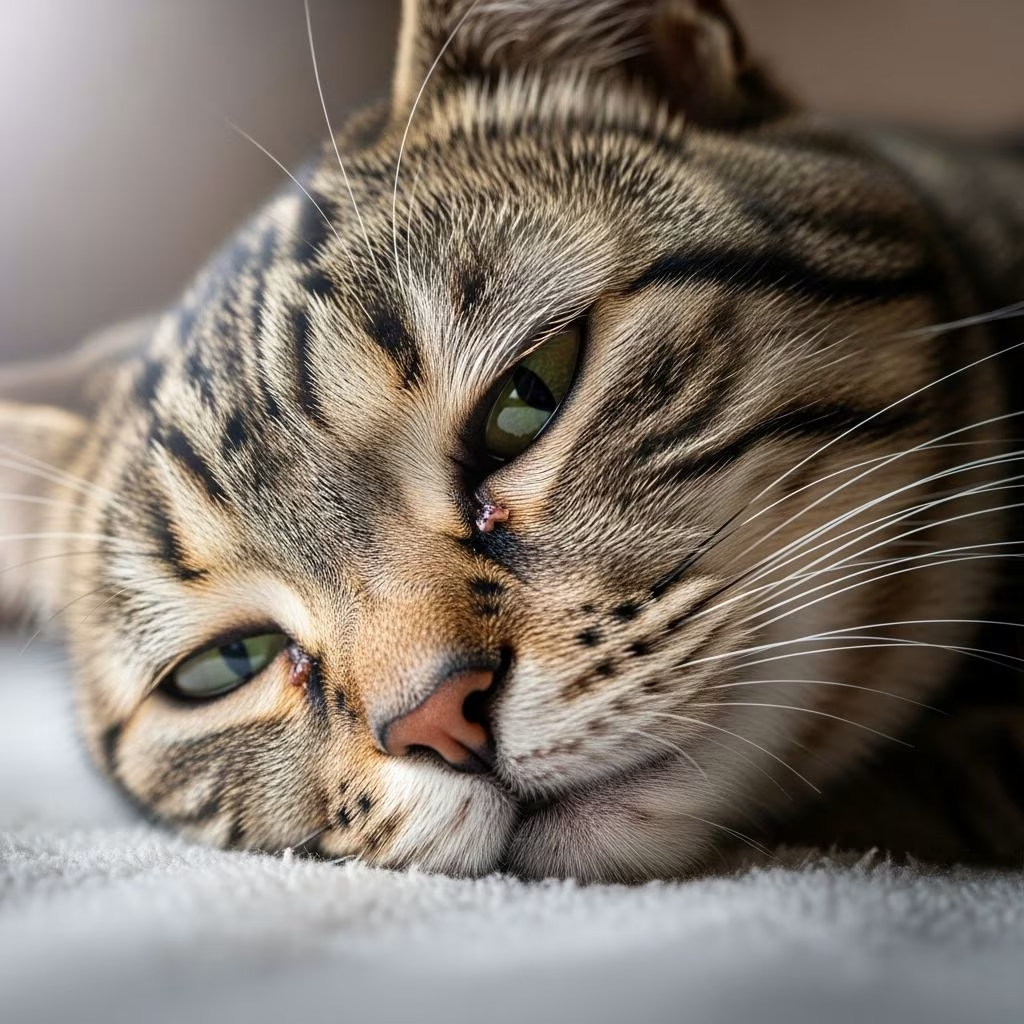
Sinus congestion in cats, often linked to rhinitis or sinusitis, disrupts normal breathing and comfort. This condition involves inflammation in the nasal passages and sinuses, leading to various discomforts that require prompt attention.
Understanding Feline Sinus Issues
The sinuses in cats are air-filled cavities connected to the nasal passages. When inflamed, they produce excess mucus, blocking airflow. This rhinosinusitis commonly stems from infections or irritants, affecting cats of all ages, particularly young or stressed individuals.
Key anatomical factors make cats prone to these problems. Their narrow nasal passages trap debris easily, and the close proximity of sinuses to eyes and mouth means symptoms often spread. Early recognition improves outcomes significantly.
Common Triggers of Sinus Congestion
Several factors initiate sinus problems in felines. Viral agents dominate acute cases.
- Viral Infections: Feline herpesvirus (FHV) and calicivirus (FCV) are primary culprits, causing initial inflammation followed by secondary issues.
- Bacterial Overgrowth: Often follows viral damage, with pathogens like Chlamydia felis or Mycoplasma exacerbating discharge.
- Fungal Causes: Rare but serious, involving species that thrive in damaged tissues.
- Allergens and Irritants: Pollen, dust, or smoke provoke non-infectious inflammation.
- Other Contributors: Parasites like nasal mites, polyps, tumors, foreign bodies, or dental disease block or inflame passages.
| Cause Type | Examples | Frequency |
|---|---|---|
| Viral | FHV, FCV | Most Common |
| Bacterial | Chlamydia, Mycoplasma | Secondary |
| Fungal | Various species | Rare |
| Structural | Polyps, Tumors | Occasional |
Recognizing the Signs
Owners often notice behavioral changes first. Watch for persistent sneezing, which signals irritation in the upper airways.
- Nasal discharge varying from clear to thick, colored mucus.
- Eye issues like tearing or conjunctivitis due to shared drainage paths.
- Respiratory distress including snoring, mouth breathing, or labored inhales.
- Appetite loss, lethargy, and face pawing from discomfort.
- Fever or oral ulcers in severe viral episodes.
Chronic cases show intermittent symptoms, worsening with stress. Kittens face higher dehydration risks from mouth breathing.
Diagnostic Approaches
Veterinarians use history and exams to pinpoint causes. Physical checks reveal nasal swelling or lymph node enlargement.
- Imaging: X-rays or CT scans visualize blockages or masses.
- Swabs and Cultures: Identify bacteria or viruses.
- Endoscopy (Rhinoscopy): Direct visualization for biopsies or polyp removal.
- Blood Tests: Rule out systemic issues or allergies.
- Dental Exams: Check for root infections spreading upward.
Accurate diagnosis guides targeted therapy, avoiding unnecessary broad treatments.
Veterinary Treatment Options
Treatment varies by cause and severity. Supportive care is foundational.
Acute Management
- Antibiotics for bacterial components, ineffective against viruses.
- IV fluids and feeding tubes for dehydrated or anorexic cats.
- Nasal flushes under sedation to clear debris.
Chronic and Specific Therapies
- Antifungals for identified fungal growth.
- Corticosteroids for allergic or idiopathic cases.
- Surgery like rhinotomy for polyps, tumors, or unresponsive inflammation.
- Antivirals or supplements like lysine to modulate FHV.
Long-term, nebulizers or inhalers aid airway management.
Home Care Strategies
Complement vet care with gentle interventions.
- Humidification: Steam from showers or humidifiers loosens mucus; 10-30 minutes sessions multiple times daily.
- Gentle Cleaning: Warm wipes remove crusts around nose and eyes.
- Nutrition Boost: Warming food enhances aroma, encouraging eating.
- Isolation: Prevents spread in multi-cat homes.
- Decongestants: Vet-approved options like pseudoephedrine under guidance.
Avoid OTC human meds without consultation due to toxicity risks.
Prevention and Long-Term Wellness
Vaccinations against FHV and FCV reduce severity. Maintain stress-low environments, clean litter, and ventilation. Regular check-ups catch issues early, especially for carriers.
For chronic sufferers, probiotics or interferon may support immunity. Monitor for recurrence triggers like season changes.
When to Seek Emergency Help
Act fast if breathing becomes severely labored, blue gums appear, or refusal to eat persists over 24 hours. Kittens or debilitated cats need immediate care.
Frequently Asked Questions (FAQs)
Can sinus congestion resolve without treatment?
Mild viral cases may self-limit, but monitoring prevents complications.
Is cat sinusitis contagious?
Viral forms spread easily among cats; isolate affected ones.
How long do symptoms last?
Acute: 7-10 days; chronic: lifelong management needed.
Are home remedies enough?
They support but don’t replace professional diagnosis.
Does diet influence sinus health?
Balanced nutrition aids immunity; omega-3s may reduce inflammation.
References
- Rhinitis and Sinusitis in Cats – Cat Owners — Merck Veterinary Manual. 2023. https://www.merckvetmanual.com/cat-owners/lung-and-airway-disorders-of-cats/rhinitis-and-sinusitis-in-cats
- Feline Rhinitis: Causes, Symptoms, And Treatments — Trudell Animal Health. 2024. https://trudellanimalhealth.com/blogs/blog/feline-rhinitis-causes-symptoms-and-treatments
- Rhinitis and Sinus Infections in Cats — Parkside Animal Hospital. 2023. https://www.parksidevet.ca/blog/rhinitis-and-sinus-infections-in-cats/
- Feline Upper Respiratory Infection — VCA Animal Hospitals. 2024. https://vcahospitals.com/know-your-pet/feline-upper-respiratory-infection
- Snots & Snuffles: Chronic Feline Upper Respiratory Syndromes — PMC (NCBI). 2024-01-15. https://pmc.ncbi.nlm.nih.gov/articles/PMC10832918/



