

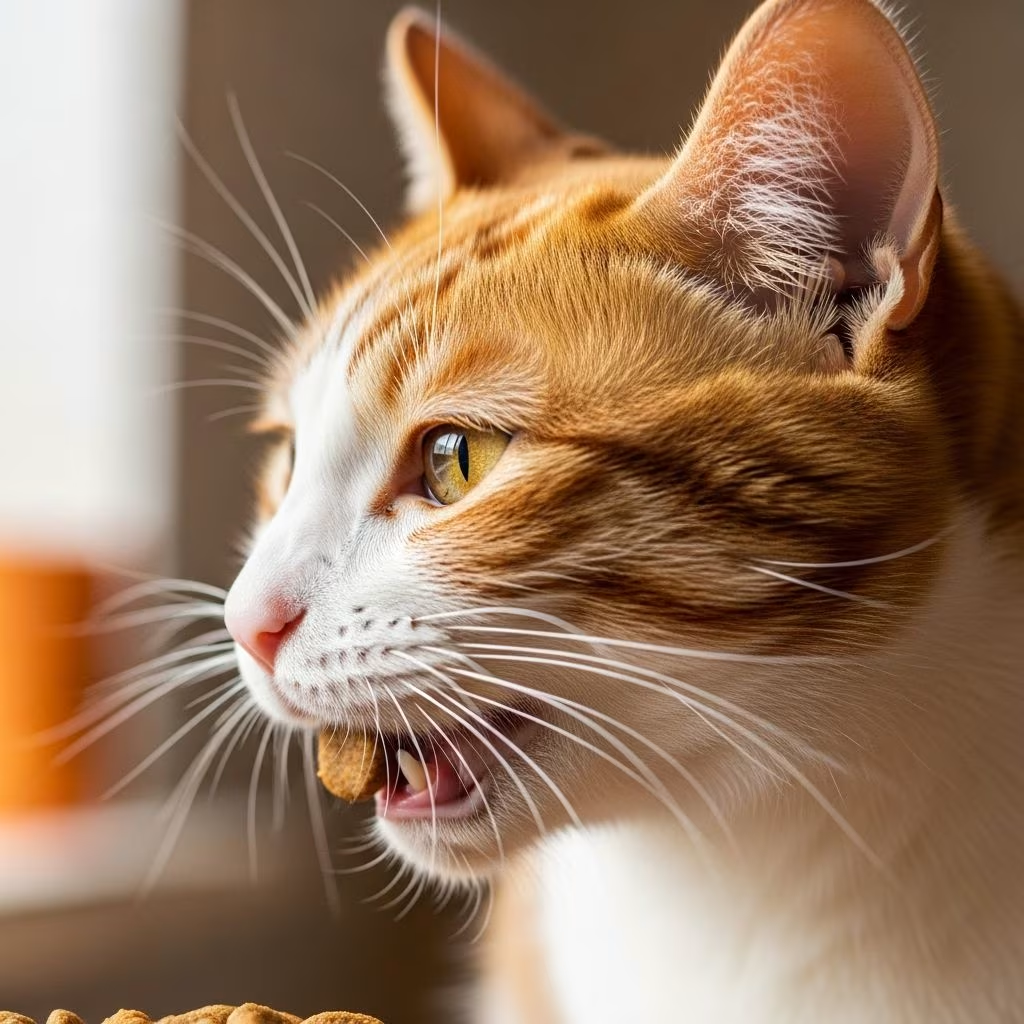
Observing your cat chewing sideways on objects or food can be puzzling. This behavior often stems from natural instincts, dental discomfort, nutritional needs, or underlying health problems, requiring observation and sometimes veterinary intervention to ensure your pet’s well-being.
Understanding Normal Feline Chewing Patterns
Cats naturally explore their world through their mouths, using chewing as a way to investigate textures, relieve teething pain in kittens, or simply enjoy sensory stimulation. Side chewing, where the cat angles its jaw unusually, might appear during play with toys or when gnawing on dry food. This motion helps them grip and manipulate items effectively, mimicking hunting actions where they tear prey apart.
In young kittens, side chewing is common during the teething phase, typically between 2 to 7 months old. Their emerging adult teeth cause gum irritation, prompting them to chew on soft fabrics, rubber toys, or even fingers to soothe the discomfort. Adult cats may continue this if they associate it with pleasure or stress relief.
- Kittens use side chewing to ease emerging teeth.
- Adults may do it for sensory enjoyment or play.
- It’s generally harmless unless excessive or targeted at dangerous items.
When Side Chewing Signals Health Concerns
Not all side chewing is benign. Persistent or intense side chewing can indicate pain, nutritional gaps, or behavioral disorders. Veterinary experts note that cats with oral pain from dental issues often adjust their chewing style to avoid sore areas, favoring one side of the mouth.
Dental problems like periodontal disease affect up to 70% of cats over age three, leading to plaque buildup, inflamed gums, and loose teeth. Cats may chew sideways to minimize pressure on affected areas, accompanied by signs like bad breath or drooling.
| Symptom | Possible Cause | Action Needed |
|---|---|---|
| Sideways chewing on hard food | Dental pain or gum disease | Vet dental exam |
| Chewing non-food items excessively | Pica or nutritional deficiency | Blood tests and diet review |
| Avoiding food altogether | Severe oral issues | Immediate veterinary visit |
Exploring Pica: The Compulsive Chewing Disorder
Pica represents a serious form of side chewing where cats not only gnaw but ingest inedible materials like plastic, wool, or soil. This condition is more prevalent in breeds such as Siamese, Burmese, and Tonkinese, possibly due to genetic factors. Side chewing in pica often involves sucking or nibbling edges, driven by compulsion rather than hunger.
Causes of pica include:
- Nutritional deficiencies: Lack of iron, B12, or fiber can trigger cravings for non-foods.
- Stress or boredom: Cats in dull environments chew to self-soothe.
- Medical conditions: Anemia, hyperthyroidism, parasites, or gastrointestinal disorders.
- Early life factors: Weaning too soon or poor socialization.
Ingestion risks include intestinal blockages requiring surgery, toxicity from materials, or choking. If you notice your cat side chewing and swallowing bits of fabric or paper, consult a vet promptly for diagnosis via bloodwork and fecal exams.
Stress, Anxiety, and Behavioral Triggers
Environmental stress often manifests as unusual chewing. Cats facing changes like new pets, moves, or isolation may side chew fabrics or cords as a calming ritual. This mirrors obsessive-compulsive behaviors like excessive grooming or pacing.
Anxiety-driven chewing targets soft, comforting textures reminiscent of nursing. Highly energetic cats chew from boredom, while anxious ones use it for comfort. Observational studies show stressed cats prefer wool or blankets, chewing sideways to savor the texture.
Dental and Oral Health: A Primary Culprit
Periodontal disease causes inflammation and pain, prompting sideways chewing to protect damaged teeth. Signs include pawing at the mouth, tooth loss, or reluctance to eat kibble. Professional cleanings under anesthesia remove tartar, preventing progression to abscesses.
Other oral issues like stomatitis or resorptive lesions exacerbate this. Regular brushing with cat-safe toothpaste and dental treats can mitigate buildup, but annual vet checks are essential.
Nutritional Imbalances and Dietary Fixes
Side chewing sometimes signals unmet nutritional needs. Cats deficient in taurine, fiber, or minerals may target plants or plastics. High-fiber dry foods or dental diets satisfy chewing urges while promoting oral health.
Switching to kitten formulas for young cats or senior diets for older ones addresses specific gaps. Avoid human foods like corn, which attract without nutrition.
Safe Ways to Redirect Chewing Instincts
Provide alternatives to curb unwanted side chewing:
- Chew toys infused with catnip or flavored with poultry extracts.
- Dental chews that clean teeth while satisfying the need to gnaw.
- Scratching posts with sisal for texture exploration.
- Interactive feeders that slow eating and encourage sideways manipulation.
Environmental enrichment reduces boredom: puzzle toys, window perches, and daily play sessions (15-20 minutes) mimic hunting.
Environmental and Household Safety Measures
Protect your cat and home by cat-proofing:
- Secure cords with bitter sprays or covers.
- Remove toxic plants and small objects.
- Use double-sided tape on furniture edges.
For persistent cases, confinement to safe rooms during unsupervised times prevents accidents.
Veterinary Diagnosis and Treatment Options
Start with a vet visit for comprehensive exams: oral inspection, blood panels for anemia or thyroid issues, and parasite screening. Treatments vary:
- Medications for anxiety or OCD.
- Dietary supplements for deficiencies.
- Surgery for blockages or dental extractions.
Behavioral therapy with pheromone diffusers or prescription anti-anxiety aids helps chronic cases.
Preventive Strategies for Long-Term Success
Prevention focuses on routine care:
- Annual dental checkups.
- Balanced, high-quality diet.
- Daily enrichment and exercise.
- Monitor for early behavior changes.
Tracking chewing patterns in a journal aids vets in pinpointing triggers.
Frequently Asked Questions (FAQs)
Is side chewing always a problem in cats?
No, occasional side chewing during play is normal, but excessive or ingestive chewing warrants attention.
Can diet alone fix pica?
Diet helps nutritional pica, but behavioral or genetic cases need multifaceted treatment.
How do I know if it’s dental pain?
Look for drooling, bad breath, or food dropping. A vet exam confirms.
Are certain breeds more prone?
Yes, Siamese and Burmese show higher pica rates due to genetics.
What home remedies discourage chewing?
Provide toys, enrich environment, and use deterrents like citrus sprays.
References
- Why Does Your Cat Chew On Everything? — Purina. 2023. https://www.purina.com/articles/cat/behavior/understanding-cats/why-does-my-cat-chew-on-everything
- Pica in Cats: What It Is, Symptoms, and Treatment — PetMD. 2023. https://www.petmd.com/cat/conditions/behavioral/pica-cats
- Feline Chewing Problems — Animal Behavior College. 2023. https://www.animalbehaviorcollege.com/blog/pet-training/feline-chewing-problems/
- Cat Behavior Problems – Chewing and Sucking — VCA Animal Hospitals. 2023. https://vcahospitals.com/know-your-pet/cat-behavior-problems—chewing-and-sucking
- What Your Cat’s Eating Behavior Can Reveal — Cheerble. 2023. https://cheerble.com/blogs/cheerble-blog/what-your-cat-s-eating-behavior-can-reveal



