

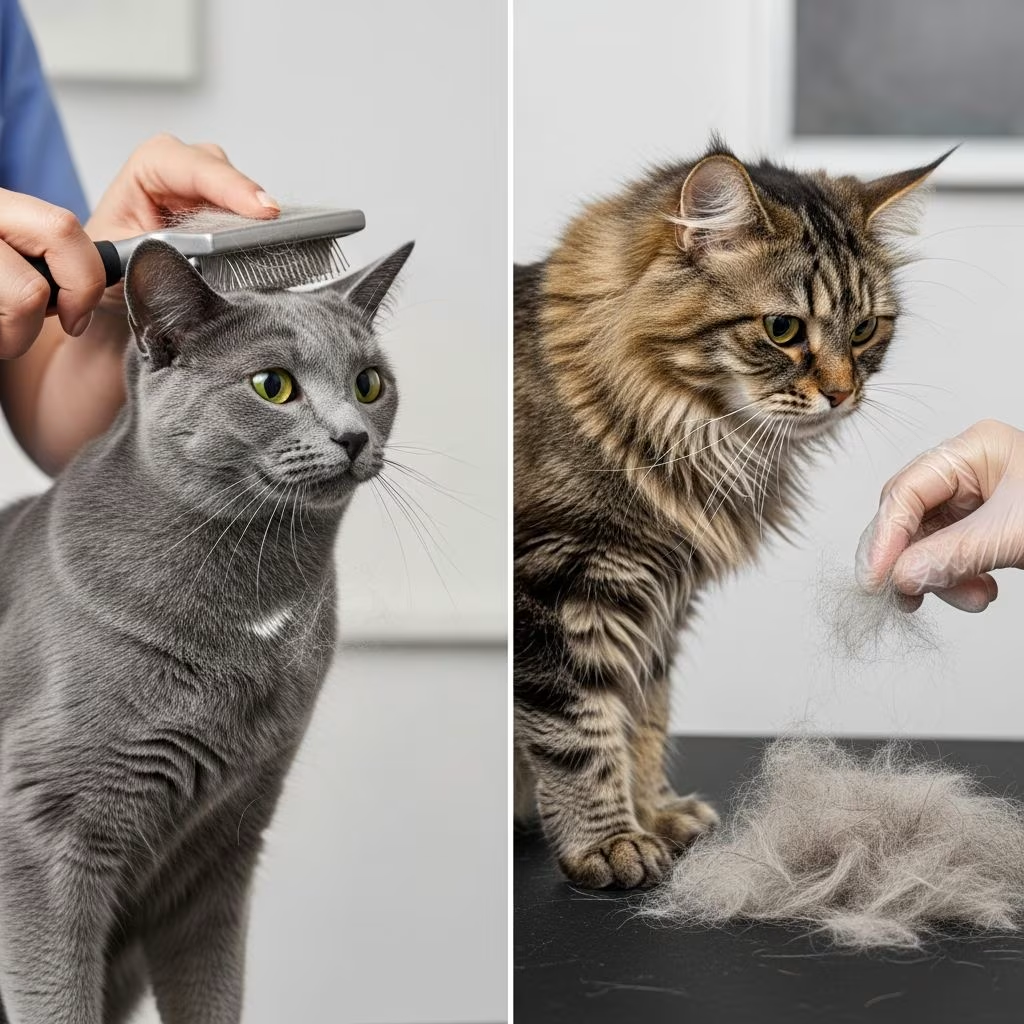
Cats naturally lose fur as part of their growth cycle, but distinguishing routine shedding from potential health issues is key to your pet’s well-being. This guide breaks down the biology, patterns, influencing factors, and management strategies to help you navigate fur tumbleweeds in your home.
The Biology of Feline Fur Renewal
Feline coats undergo continuous renewal through distinct growth phases: anagen (active growth), catagen (transition), and telogen (rest and shedding). During telogen, old hairs detach, allowing new ones to emerge, typically resulting in about 1,000 hairs lost daily under normal conditions. Seasonal shifts amplify this, prompting heavier loss to adapt to environmental changes like temperature and daylight.
Unlike dogs, cats are meticulous groomers, ingesting much of their shed fur, which can lead to hairballs if not managed. Indoor cats often exhibit steadier shedding due to consistent climates, while outdoor felines sync more closely with nature’s cues.
Seasonal Patterns in Cat Shedding
Most cats experience peak shedding twice annually, aligning with spring (around April) and fall (around October), lasting 6-8 weeks each time. These periods correspond to transitioning from thick winter undercoats to sleeker summer fur and vice versa, driven by photoperiod changes—longer days trigger spring molt, shorter ones promote winter growth.
- Spring Shed:** Loss of dense undercoat prepares for warmer weather; expect visible tufts and increased grooming.
- Fall Shed:** Thicker coat buildup for insulation; shedding may feel drier as old hairs release.
Kittens shed first at 6-12 months, establishing adult cycles influenced by breed and lifestyle. Disruptions like artificial lighting can alter these rhythms, leading to year-round moderate shedding in household pets.
How Breed and Lifestyle Shape Shedding
| Breed Type | Shedding Intensity | Key Notes |
|---|---|---|
| Long-haired (e.g., Maine Coon, Siberian, Norwegian Forest, Ragdoll) | High | Prolonged seasons due to dense fur; requires frequent brushing. |
| Short-haired (e.g., Domestic Shorthair) | Moderate | Steady daily loss; less seasonal intensity. |
| Minimal-shed (e.g., Sphynx, Devon Rex, Cornish Rex) | Low | Fine or curly fur sheds less noticeably. |
Outdoor cats shed more dramatically from direct exposure to weather shifts, starting earlier and lasting longer than indoor counterparts. Age plays a role too: puppies and young cats shed rapidly, while senior longhairs may reduce over time. Pregnancy or hormonal fluctuations can temporarily boost shedding across all types.
Signs Your Cat’s Shedding Is Routine
Normal shedding affects the entire body evenly, without bald patches or skin irritation. You’ll notice:
- Increased loose fur on furniture, floors, and your clothes.
- Heightened self-grooming sessions.
- Occasional hairballs, especially post-meals.
- Temporary fatigue or appetite dips from energy demands on new coat growth.
Run a comb over your cat: uniform hair collection from all areas confirms normality. Coat remains glossy unless mid-molt dullness appears briefly.
Red Flags: When Shedding Signals Trouble
Excessive loss demands attention if it deviates from patterns. Consult a vet for:
- Bald spots or thinning patches:** Often from parasites (fleas, ringworm), allergies, or infections.
- Dull, greasy, or flaky coat:** Indicates nutrition gaps, hormonal issues, or dermatitis.
- Over-grooming or itching:** Stress, anxiety, or skin inflammation; worsens in vet visits or moves.
- Sudden spikes or year-round excess:** Beyond seasonal norms, possibly from diet or environment.
Track fur quality, skin feel, and hairball frequency. Stress-induced shedding resolves post-event, but persistent changes warrant checks.
Proven Strategies to Manage Shedding
Proactive care minimizes mess and supports coat health.
Grooming Routines
Brush daily during peaks, following hair growth direction with a soft tool to avoid irritation. This removes undercoat, reduces ingestion, and bonds you with your cat. Start slow for grooming-averse felines.
Diet and Hydration Boosts
Fatty acids (omega-3/6) from quality food strengthen fur, curbing excess loss. Ensure fresh water; dehydration dulls coats. Cat grass aids digestion, expelling swallowed hair.
Environmental Tweaks
Maintain stable temps and natural light cycles. Vacuum regularly and use lint rollers. Hairball remedies or laxatives prevent blockages.
FAQs on Cat Shedding
Do all cats shed the same amount?
No—breeds, age, and indoor/outdoor status vary output. Minimal-shed breeds like Sphynx lose far less.
Can diet reduce my cat’s shedding?
Yes, nutrient-rich kibble with omegas promotes healthier cycles and less fallout.
Is excessive shedding always a health issue?
Not if stress-related and temporary; monitor for persistent changes like baldness.
How often should I brush during shedding season?
Daily for heavy shedders, 2-3 times weekly otherwise to prevent mats.
Why does my indoor cat shed year-round?
Controlled environments disrupt seasonal cues, leading to steady loss.
Long-Term Coat Health Tips
Beyond seasons, annual vet exams catch early issues. Spay/neuter stabilizes hormones, curbing irregular shedding. For seniors, gentler tools prevent skin tears. Multi-cat homes amplify fur via play-grooming—scale up vacuums accordingly.
Understanding these dynamics empowers you to keep your cat comfortable and your home fur-free. Seasonal shedding is nature’s design, but vigilance ensures it stays benign.
References
- Cats and Shedding – What to Expect — CatsLove.com. 2023. https://www.catslove.com/en/shedding-season-in-cats
- All Cats Shed, But What’s Normal and What’s Not? — Cat Care of Vinings. 2024. https://catcareofvinings.com/blog/all-cats-shed-but-whats-normal-and-whats-not/
- When Do Cats Shed the Most? — PrettyLitter Blog. 2024. https://www.prettylitter.com/blog/when-do-cats-shed-the-most
- Normal vs Excessive Shedding — Catwatch Newsletter (Cornell University affiliate). 2023-10-15. https://www.catwatchnewsletter.com/features/normal-vs-excessive-shedding/
- Why Is My Pet Shedding So Much? — Academy Animal Hospital. 2024. https://academyanimal.com/news/why-is-my-pet-shedding-so-much



