

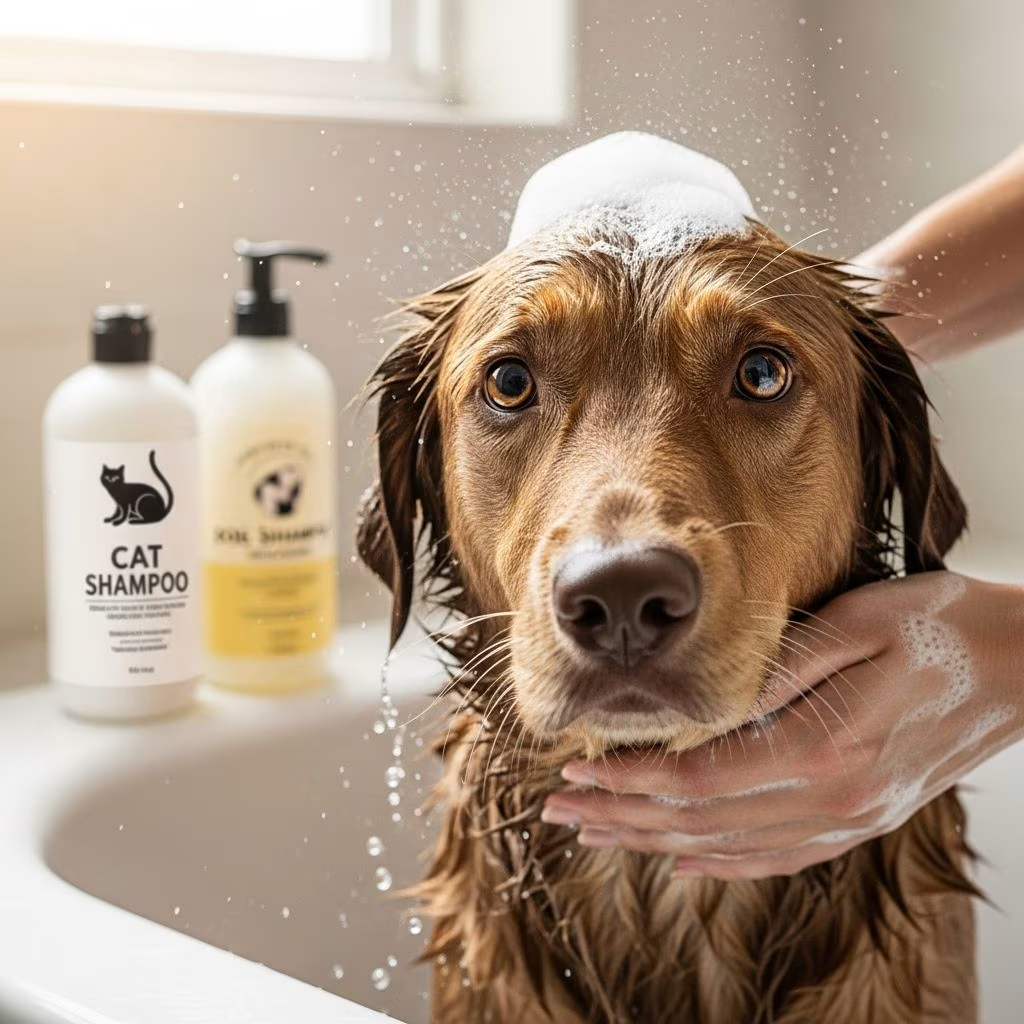
Using cat shampoo on dogs is generally not recommended because their skin has distinct pH levels and sensitivities that cat-formulated products do not address properly. Dogs’ skin pH typically ranges from 5.5 to 7.2, while cat shampoos are designed for a more acidic pH around 6 or higher, potentially disrupting the dog’s natural skin barrier and leading to dryness or irritation.
Understanding Skin pH Differences Between Cats and Dogs
Skin pH plays a critical role in maintaining a pet’s protective barrier against bacteria, allergens, and moisture loss. Dogs possess a slightly more acidic to neutral skin environment compared to cats, whose skin leans more alkaline in some formulations but is tailored differently. Cat shampoos, often with a pH near 6, can be too acidic for dogs, stripping essential oils and causing imbalances.
This mismatch occurs because manufacturers adjust formulas to match species-specific needs. For instance, dog shampoos support a broader pH tolerance suited to thicker canine skin, whereas cat products prioritize gentleness for thinner, more sensitive feline dermis. Using the wrong product risks altering the skin’s acid mantle, inviting infections or chronic itchiness.
Potential Harms of Cat Shampoo on Canine Skin
When cat shampoo contacts a dog’s skin, it may initially clean but soon reveals drawbacks. The formulation can remove protective sebum more aggressively, resulting in flaky, dry patches that prompt excessive scratching. Over time, this leads to secondary issues like hot spots or bacterial overgrowth.
- Dryness and Irritation: Acidic cat shampoos disrupt oil production, leaving dog skin parched.
- Allergic Reactions: Fragrances or preservatives in cat products may trigger sensitivities in dogs.
- Coat Damage: Improper pH dulls fur shine and increases tangling.
In severe cases, repeated exposure exacerbates conditions like atopic dermatitis, common in breeds such as Labrador Retrievers or Bulldogs. Veterinary dermatologists emphasize matching shampoo pH to prevent such escalations.
Toxic Ingredients to Watch For
Beyond pH, certain additives in cat shampoos pose direct threats to dogs. While less common than in dog flea products, some cat shampoos include essential oils or antiseptics unsuitable for canines. For example, high concentrations of tea tree oil, sometimes found in multi-pet formulas, can cause gastrointestinal upset if ingested during grooming.
Permethrin, though more prevalent in dog flea shampoos, highlights the bidirectional risk: cats suffer from dog versions, and dogs from overly potent cat alternatives. Coal tar derivatives, used in some therapeutic cat shampoos for fungal issues, offer no benefit to dogs and may hinder self-cleaning behaviors.
When Might It Seem Tempting to Use Cat Shampoo?
Pet owners might consider cat shampoo in emergencies, like running out of dog products or for multi-pet households. Gentle, hypoallergenic cat shampoos without harsh chemicals could serve as a one-time substitute for short-haired dogs with mild needs. However, even these carry risks, as no universal “pet shampoo” perfectly suits both species due to physiological variances.
| Factor | Dog Skin Needs | Cat Shampoo Traits | Risk Level |
|---|---|---|---|
| pH Balance | 5.5-7.2 | ~6 (more acidic) | High |
| Oil Protection | Preserves thick sebum | Strips for fine fur | Medium-High |
| Flea Agents | Tolerates permethrin | May lack or differ | Variable |
| Scent Intensity | Moderate tolerance | Often unscented | Low |
Ideal Shampoo Choices for Your Dog
Opt for dog-specific shampoos vetted by organizations like the Veterinary Dermatologic Society. Look for labels indicating pH-balanced for canines, with natural cleansers like oatmeal or aloe for sensitive skin. Therapeutic options for fleas should exclude pyrethrin analogs harmful if shared with cats in the home.
For puppies or seniors, mild, tear-free formulas mimic natural moisture restoration. Frequency matters too: bathe dogs every 4-6 weeks unless soiled, avoiding over-washing that compounds pH disruptions.
Bathing Techniques to Maximize Safety
Proper application minimizes risks even with ideal products. Dilute shampoo per instructions, lather gently, and rinse thoroughly to prevent residue buildup. Use lukewarm water to avoid scalding delicate areas like paws and ears.
- Wet the coat completely.
- Apply diluted shampoo, massaging into skin.
- Let sit 5-10 minutes for medicated types.
- Rinse multiple times until water runs clear.
- Follow with conditioner if coat is long.
Dry with towels or low-heat blow dryers, ensuring full evaporation to curb yeast growth.
Recognizing and Addressing Bathing-Related Issues
Post-bath symptoms like redness, odor, or lethargy signal problems. Mild irritation might resolve with hypoallergenic dog shampoo switches, but persistent issues warrant vet visits. Diagnostics could reveal allergies or infections needing prescription topicals.
Diet influences skin health; omega-3 supplements bolster barriers against shampoo mismatches. Regular grooming checks catch early signs, promoting long-term wellness.
Alternatives for Flea and Skin Problems
For infestations, vet-approved spot-ons outperform shampoos alone. Dandruff responds to moisturizing dog formulas with coal tar or salicylic acid, safe only for canines. Avoid human or baby shampoos, as their acidic pH (around 5.5) mismatches both species.
Multi-Pet Household Strategies
Store products separately and label clearly. Bathe dogs first if sharing spaces, allowing residue dry time. Invest in dual dispensers for convenience without cross-use. Consult vets for household-specific regimens balancing both pets’ needs.
Frequently Asked Questions
Is it ever okay to use cat shampoo on a puppy?
No, puppies have even more sensitive skin developing its pH balance; stick to puppy-specific dog formulas.
What if my dog has very similar skin to a cat?
No two pets are identical, but species differences prevail; test small patches only under vet guidance.
Can natural cat shampoos be safer?
Natural doesn’t guarantee safety; check pH and ingredients against dog tolerances.
How often should I bathe my dog?
Every 4-8 weeks or as needed; overuse dries skin regardless of product.
What to do if my dog reacts to wrong shampoo?
Rinse immediately, monitor, and seek vet care for swelling or vomiting.
Conclusion: Prioritize Species-Specific Care
Investing in proper dog shampoos safeguards health, saving vet bills long-term. Informed choices ensure shiny coats and happy pets.
References
- Can You Use Dog Shampoo on Cats? — Purina US. 2023-2024. https://www.purina.com/articles/cat/health/routine-care/can-you-use-dog-shampoo-on-cats
- Can you use dog shampoo on cats? — Pride+Groom. 2023-2025. https://prideandgroom.com/blogs/dog-grooming-tips-blog/can-you-use-dog-shampoo-on-cats
- Can You Use Dog Shampoo on Cats? — Hill’s Pet Nutrition. 2024. https://www.hillspet.com/cat-care/routine-care/can-you-use-dog-shampoo-on-cats
- Can I Use Dog Shampoo on My Cat? — Cooper and Gracie. 2023. https://www.cooperandgracie.com/blogs/infos/can-i-use-dog-shampoo-on-my-cat
- How To Choose The Right Dog & Cat Shampoo — VCA Animal Hospitals. 2024-2025. https://vcahospitals.com/resources/conditions-dog/skin-coat/tailor-your-pet-s-shampoo-to-their-skin-care-needs
- Shampoo For Your Pet – Which to Use and NOT Use — Preventive Vet. 2023-2026. https://www.preventivevet.com/pets/dog-and-cat-shampoo-which-to-use



