

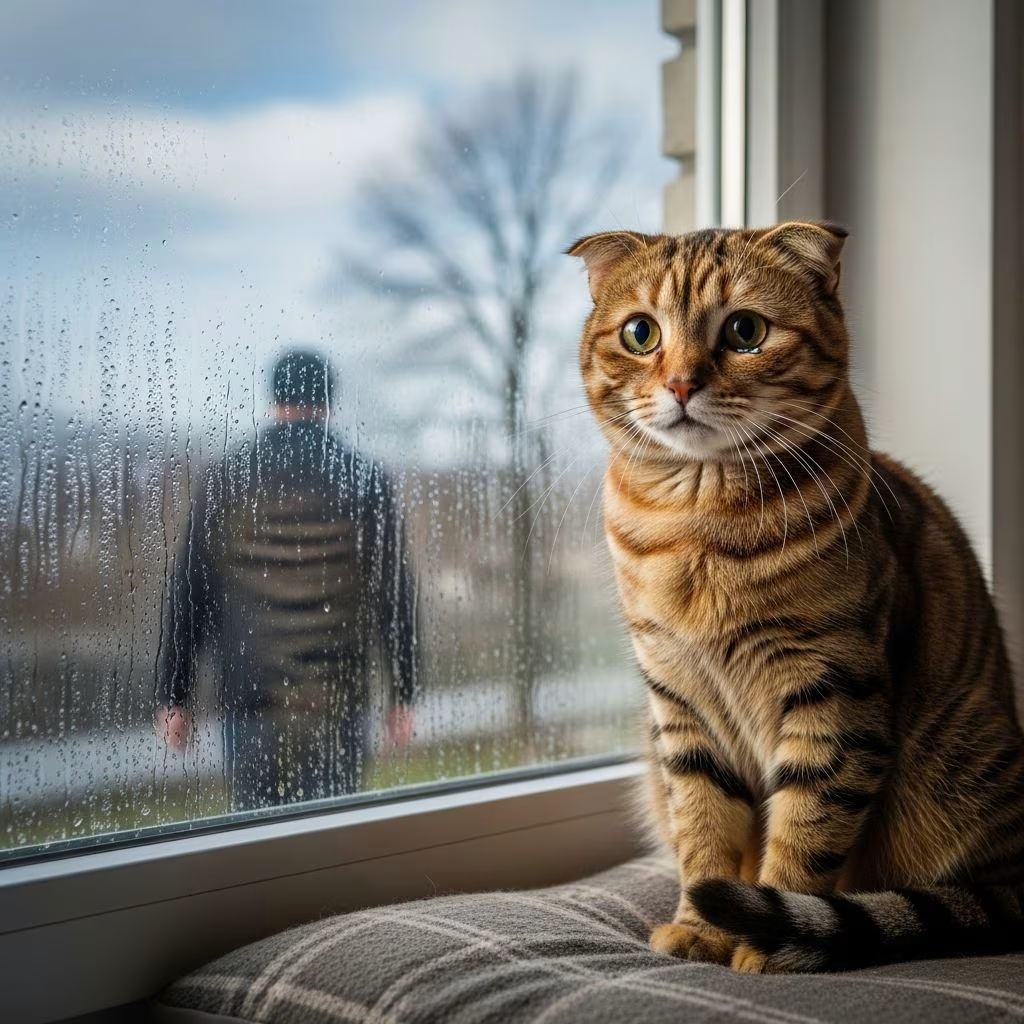
Cat separation anxiety is a real condition where cats experience distress when separated from their owners, manifesting in behaviors like excessive vocalization and inappropriate elimination. This comprehensive guide covers signs, causes, diagnosis, treatments, prevention, and FAQs to help cat owners manage this common issue effectively.
What Is Separation Anxiety in Cats?
Separation anxiety in cats occurs when felines develop stress, agitation, or depression-like symptoms upon being left alone by their primary caregiver. Unlike dogs, cats are often perceived as independent, but many form strong bonds and struggle with solitude, especially indoor cats without companions.
This condition goes beyond missing their human; affected cats endure genuine distress, leading to noticeable behavioral changes. It is a recognized stress response in cats strongly bonded to specific people.
Do Cats Get Separation Anxiety?
Yes, cats can and do experience separation anxiety, particularly single indoor cats sensitive to their environment and attached to owners. While not universal, certain cats are prone, showing anxiety when left alone for extended periods.
Signs of Separation Anxiety in Cats
Recognizing separation anxiety requires observing behaviors both when you’re home and away. Symptoms vary but often combine multiple indicators. Use a camera to monitor your cat’s behavior during absences.
Symptoms When You’re Home
- Extreme attachment: Cats follow owners everywhere, demanding constant attention and becoming upset when separated even briefly.
- Destructive scratching: Scratching furniture or doors to de-stress and mark territory with scent.
- Overgrooming: Excessive licking leading to bald patches on belly or legs, a stress-relief mechanism.
- Anxious departure behaviors: Pacing, hiding, blocking doors, or crying as you prepare to leave.
- Inappropriate elimination: Urinating or defecating outside the litter box on bedding or clothes.
- Speed-eating: Gulping food rapidly, sometimes regurgitating due to anxiety.
Symptoms When You’re Away
- Excessive vocalization: Persistent meowing, yowling, crying, or moaning.
- Loss of appetite: Refusing food or water while alone.
- Restlessness and hiding: Pacing, inability to settle, or hiding in closets or under beds.
- Destructive behavior: Scratching doors/windows or destroying furniture.
- Other issues: Vomiting (often with food/hair), excessive self-grooming, or lethargy.
A single symptom may not indicate anxiety, but a cluster, especially persistent vocalizing post-departure, signals a problem.
Causes of Separation Anxiety in Cats
Several risk factors increase susceptibility. Cats may develop it anytime, often triggered by changes.
- Indoor-only lifestyle: No outdoor stimulation or companions heightens reliance on one person.
- Sole pet or single-person household: Limited social interactions center on the owner.
- Early life trauma: Abandonment, taken from mother too early, or bottle-raised.
- Lack of alone time experience: Never left alone, boarded, or with sitters previously.
- Routine disruptions: New home, baby arrival, return to office post-remote work, or vacations.
- Recent changes: Moves, new owners, or reduced owner time (e.g., post-vacation).
- Gender factor: Female cats diagnosed more frequently.
These create unpredictability, eroding the comfort of routine.
How Is Separation Anxiety in Cats Diagnosed?
Diagnosis starts by ruling out medical issues via vet visit, as conditions like hyperthyroidism or UTIs mimic symptoms. Vets assess history, behaviors, and may recommend video monitoring.
No specific test exists; it’s based on observed patterns like elimination issues or vocalizing tied to absences. Behaviorists confirm if symptoms align with anxiety rather than boredom.
Treatments for Separation Anxiety in Cats
Treatment combines behavior modification, environmental changes, and sometimes medication. Patience is key; improvements take weeks.
Behavior Modification
- Desensitization: Practice short departures (1-5 minutes), gradually increasing time to build tolerance. Ignore distress upon return.
- Positive associations: Feed, play, or treat before/after leaving to link absences with positives.
Environmental Enrichment
- Interactive toys: Puzzle feeders, treat balls to engage mentally.
- Vertical spaces: Cat trees, shelves for climbing and security.
- Scent comfort: Leave worn clothing for familiar smells.
- Background noise: TV/radio or calming music to mimic presence.
- Companions: Introduce another pet if compatible, reducing isolation.
Professional Interventions
- Veterinary behaviorists: Prescribe anti-anxiety meds like fluoxetine for severe cases.
- Pheromone diffusers: Feliway mimics calming pheromones.
| Strategy | Examples | Expected Benefit |
|---|---|---|
| Desensitization | Short exits building up | Reduces panic response |
| Enrichment | Toys, perches | Prevents boredom |
| Medical | Meds, pheromones | Quick symptom relief |
Preventing Separation Anxiety in Cats
Proactive steps minimize risk:
- Early socialization and alone time training for kittens.
- Maintain routines; introduce changes gradually.
- Provide ample stimulation: scratching posts, windows for bird-watching.
- Use sitters or daycare for practice absences.
- Multi-cat households for companionship where suitable.
When to See a Vet for Cat Separation Anxiety
Consult a vet if behaviors persist >2 weeks, worsen, or include appetite loss, vomiting, or lethargy—could indicate medical issues. Seek immediate help for self-harm like severe overgrooming or constant distress.
Frequently Asked Questions (FAQs)
What are the signs of separation anxiety in cats?
Common signs include excessive meowing, inappropriate elimination, overgrooming, destructive scratching, loss of appetite, and clinginess.
Do all cats get separation anxiety?
No, but indoor-only cats in single-person homes, with routine changes or past trauma, are at higher risk.
How do you treat separation anxiety in cats?
Treatments involve desensitization to departures, enrichment toys, pheromone therapy, and vet-prescribed medications for severe cases.
Can medication help cat separation anxiety?
Yes, anti-anxiety medications like SSRIs can be prescribed by vets for short-term relief alongside behavior therapy.
How long does it take to resolve cat separation anxiety?
Improvement typically takes 2-4 weeks with consistent management, though severe cases may need months.
References
- Separation Anxiety in Cats – 7 Signs & 9 Ways to Help — Sploot Veterinary Care. 2023. https://www.splootvets.com/post/separation-anxiety-in-cats-signs-symptoms-ways-to-help
- Separation Anxiety – Indoor Pet Initiative — The Ohio State University. Accessed 2026. https://indoorpet.osu.edu/cats/problem-solving/separation-anxiety
- The Signs Your Cat Has Separation Anxiety and What to Do About It — Reveal Pet Food. 2023. https://revealpetfood.com/the-signs-your-cat-has-separation-anxiety-and-what-to-do-about-it/
- Cat Separation Anxiety: Symptoms, Causes, and How To Help — Rover. 2023. https://www.rover.com/blog/cat-separation-anxiety/
- Separation Anxiety in Cats — ASPCA Pet Health Insurance. Accessed 2026. https://www.aspcapetinsurance.com/resources/separation-anxiety-in-cats/
- Cats and Separation Anxiety — Cats Protection. 2023. https://www.cats.org.uk/cats-blog/does-my-cat-have-separation-anxiety
- Can Cats Have Separation Anxiety? — PetMD. 2024-10-15. https://www.petmd.com/cat/conditions/behavioral/can-cats-have-separation-anxiety



