

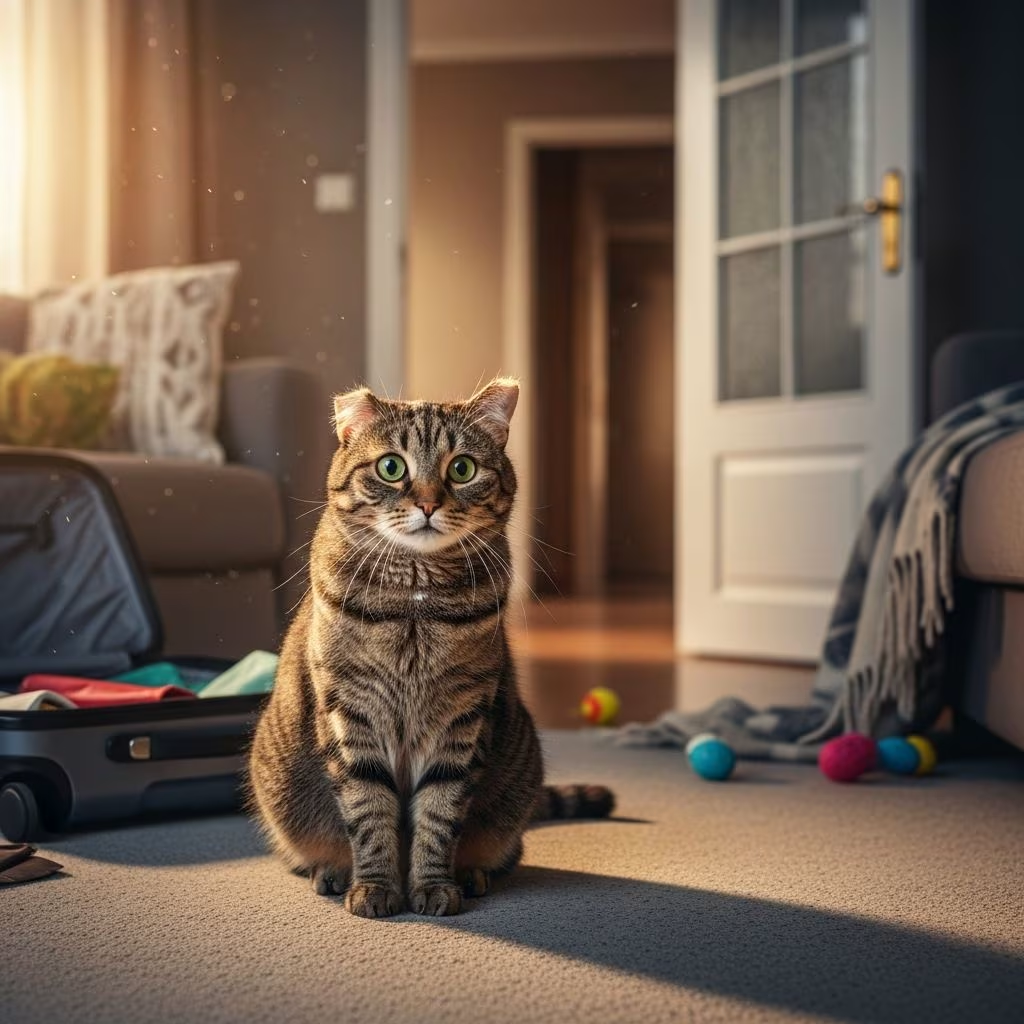
Cats can develop separation anxiety, showing distress through behaviors like excessive vocalization and inappropriate elimination when owners leave. This condition arises from strong attachments and routine changes, affecting indoor cats most commonly.
Understanding Feline Emotional Distress
Many cat owners assume felines are aloof and self-sufficient, yet they form profound bonds with their humans. Separation anxiety manifests as stress when cats are apart from their primary caregiver, leading to emotional and physical symptoms. Unlike dogs, cats express this subtly, often through altered daily habits.
Research from veterinary sources indicates that this anxiety stems from a cat’s heightened sensitivity to solitude, especially in single-pet households. Indoor lifestyles amplify risks, as limited external stimuli heighten dependence on one person.
Key Indicators of Anxiety in Cats
Recognizing early signs prevents escalation. Cats may display a range of behaviors signaling discomfort during absences.
- Persistent Vocalizations: Loud meowing, yowling, or crying as you prepare to leave or upon return shows distress. This continues post-departure, audible via neighbors or cameras.
- Appetite Changes: Refusing food or water while alone, or rapid eating upon return, indicates unease. Monitor bowls to track patterns.
- Inappropriate Elimination: Urinating or defecating outside the litter box, often on owner-scented items like beds, marks territory amid stress.
- Overgrooming Habits: Excessive licking leads to bald patches on belly or legs, a self-soothing mechanism turning compulsive.
- Restless Behaviors: Pacing, hiding in closets, or inability to settle before departures signal anticipation of loneliness.
- Extreme Clinginess: Constant following, demanding attention, or agitation when you move rooms points to over-attachment.
- Other Signs: Vomiting with food/hair, lethargy beyond normal sleep, or destructive scratching on furniture.
Use home cameras to observe these during absences for accurate diagnosis, distinguishing from medical issues.
Factors That Trigger Cat Anxiety
Several elements predispose cats to this condition, blending genetics, history, and environment.
| Risk Factor | Description | Examples |
|---|---|---|
| Genetic Predisposition | Certain breeds more prone due to temperament. | Siamese, Ragdolls. |
| Past Trauma | Abandonment or rehoming heightens fear. | Shelter rescues. |
| Routine Disruptions | Sudden schedule changes unsettle cats. | Return to office, new baby, moving. |
| Lifestyle Limits | Indoor-only with single caregiver. | No companions, first-time alone. |
| Early Socialization Gaps | Hand-raised kittens bond too intensely. | Separated young from mother. |
Females and strictly indoor cats face higher risks, per veterinary observations. Recent shifts, like post-pandemic office returns, exacerbate cases.
Strategies to Alleviate Feline Separation Stress
Addressing anxiety involves gradual desensitization, enrichment, and professional input. Start with low-stress changes.
Build Independence Gradually
Practice short absences, extending time slowly. Ignore pre-departure fussing to avoid reinforcing it, greet calmly upon return.
Enhance the Home Environment
- Provide interactive toys, puzzle feeders to mimic hunting and distract during alone time.
- Set up elevated perches, scratching posts, and safe hiding spots for security.
- Use pheromone diffusers mimicking calming cat scents to reduce tension.
Optimize Routines
Maintain consistent feeding, play, and litter schedules. Feed before leaving to associate departures positively.
Consider Companions
Introducing another pet can help, but match personalities carefully via supervised intros. Not all cats benefit.
Veterinary and Behavioral Support
Rule out health issues first; vets may suggest anti-anxiety meds short-term or referrals to behaviorists for tailored plans. Track progress with journals or apps.
Long-Term Prevention Tips
Proactive steps foster resilience from kittenhood.
- Socialize early with varied experiences.
- Rotate toys to prevent boredom.
- Train basic commands like ‘stay’ with treats.
- Incorporate daily play mimicking prey chase.
Owners working remotely should simulate absences periodically to build tolerance.
Common Myths About Cat Behavior
Myth 1: Cats don’t need company. Reality: Social bonds matter; isolation stresses many.
Myth 2: Meowing is just hunger. Reality: Context like timing reveals anxiety.
Myth 3: Punishment fixes elimination issues. Reality: Stressors need addressing; clean with enzymes.
Frequently Asked Questions
Can all cats get separation anxiety?
Yes, though indoor singles and certain breeds are most susceptible. Any cat facing changes can develop it.
How long does it take to resolve?
Weeks to months with consistent efforts; severe cases need professional help.
Is medication always necessary?
No, behavioral mods suffice for mild cases; vets prescribe for severe ones.
Does age matter?
Kittens and seniors are vulnerable, but adults too, especially post-trauma.
What if symptoms persist?
Consult a vet to exclude thyroid or pain issues mimicking anxiety.
Monitoring Progress
Chart behaviors weekly. Success shows reduced vocalizing, normal eating, and relaxed demeanor. Adjust strategies as needed for sustained calm.
References
- Separation Anxiety in Cats – 7 Signs & 9 Ways to Help — Sploot Vets. 2023. https://www.splootvets.com/post/separation-anxiety-in-cats-signs-symptoms-ways-to-help
- Separation Anxiety – Indoor Pet Initiative — The Ohio State University. 2023. https://indoorpet.osu.edu/cats/problem-solving/separation-anxiety
- The signs your cat has separation anxiety and what to do about it — Reveal Pet Food. 2023. https://revealpetfood.com/the-signs-your-cat-has-separation-anxiety-and-what-to-do-about-it/
- Separation Anxiety in Cats – Signs And How To Help — Hill’s Pet US. 2024-01-15. https://www.hillspet.com/cat-care/behavior-appearance/separation-anxiety-in-cats
- Separation Anxiety in Cats — ASPCA Pet Health Insurance. 2023. https://www.aspcapetinsurance.com/resources/separation-anxiety-in-cats/
- Helping Your Cat with Being Left Alone & Separation Anxiety — Arm & Hammer. 2023. https://www.armandhammer.com/en/articles/tips-leaving-cat-alone-separation-anxiety
- Cats and separation anxiety — Cats Protection. 2024. https://www.cats.org.uk/cats-blog/does-my-cat-have-separation-anxiety



