

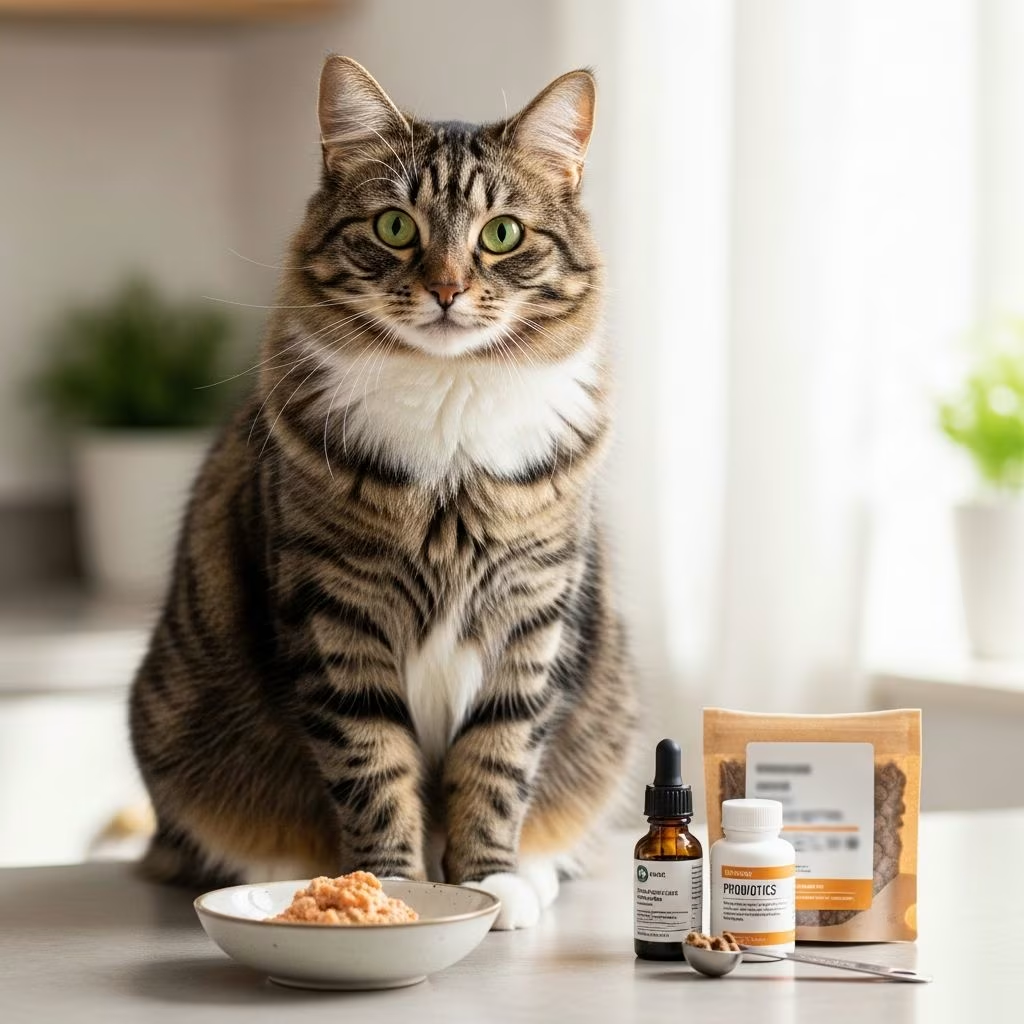
Cats frequently suffer from digestive upset, showing signs like vomiting or loose stools that disrupt their daily lives. Understanding the underlying causes empowers owners to provide relief through targeted care and dietary adjustments.
Recognizing Digestive Distress in Felines
Spotting early indicators of stomach sensitivity prevents escalation into severe conditions. Common manifestations include repeated vomiting, which may contain undigested food or bile, signaling irritation in the gastrointestinal tract. Diarrhea appears as soft, frequent stools or watery discharge, often accompanied by straining. Excessive gas leads to noticeable flatulence and bloating, while acid reflux causes lip licking or drooling as signs of nausea. Cats may lose interest in meals, become unusually lethargic, or show discomfort when touched around the abdomen. Changes in stool consistency, such as mucous-covered or bloody output, demand immediate attention.
- Vomiting after meals or on an empty stomach
- Diarrhea persisting beyond 24 hours
- Gas and abdominal distension
- Appetite reduction or complete refusal to eat
- Lethargy and hiding behavior
- Lip smacking or excessive swallowing
These symptoms overlap with serious issues like obstructions or infections, so monitoring patterns is crucial.
Primary Triggers Behind Feline Gut Issues
Diverse factors inflame the digestive system, leading to sensitivity. Parasitic infestations top the list, with worms like roundworms, hookworms, tapeworms, and protozoa such as giardia or coccidia disrupting nutrient absorption and causing inflammation. Bacterial culprits including salmonella and campylobacter enter from contaminated sources, exacerbating diarrhea. Stress profoundly impacts cats’ sensitive natures, as environmental shifts trigger inflammatory responses akin to irritable bowel effects in humans. New households, routine changes, or inter-pet conflicts elevate cortisol, upsetting gut flora balance.
Foreign material ingestion, such as strings or plant matter, creates blockages, while hairballs accumulate from grooming, impeding passage. Systemic diseases like kidney failure, pancreatitis, hyperthyroidism, or even cancers indirectly provoke vomiting and appetite loss. Food-related problems dominate chronic cases: intolerances to high-fat meats or novel proteins cause cramping and expulsion, distinct from immune-mediated allergies manifesting as skin irritations alongside GI woes.
| Trigger Type | Examples | Key Symptoms |
|---|---|---|
| Parasites/Infections | Roundworms, Giardia, Salmonella | Diarrhea, weight loss, bloating |
| Stress/Environmental | New pets, routine changes | Vomiting, loose stools, lethargy |
| Dietary | High-fat foods, allergies | Regurgitation, gas, itching |
| Other Medical | Pancreatitis, IBD, tumors | Persistent vomiting, pain |
Distinguishing Intolerances from True Allergies
Food intolerances arise when the gut struggles to process specific components, like excessive fats from beef or dairy, resulting in prompt digestive rebellion without immune involvement. Allergies engage the immune system, often against proteins in fish, chicken, or grains, producing not just gut upset but also facial eosinophilic plaques or excessive grooming. Long-term exposure to monotonous diets heightens risk for both, as the gut microbiome adapts poorly to sudden shifts. Elimination trials under veterinary guidance pinpoint culprits by introducing novel proteins gradually.
When to Escalate to Professional Care
Isolated incidents might resolve with fasting and hydration, but persistence beyond 48 hours, blood in vomit/stools, dehydration signs (sunken eyes, tacky gums), or systemic lethargy necessitates a vet visit. Diagnostics include fecal exams for parasites, bloodwork for organ function, ultrasounds for obstructions, or endoscopy for inflammation. Early intervention averts dehydration, malnutrition, or fatal complications like peritonitis from perforations.
Immediate Home Remedies for Mild Cases
For transient upset, withhold food for 12-24 hours while ensuring water access, then reintroduce bland options like boiled chicken and rice in small portions. Probiotics formulated for cats restore beneficial bacteria, aiding recovery. Hairball remedies with malt paste lubricate passages, and increased brushing reduces ingestion. Elevated water fountains combat dehydration, a constipation aggravator.
- Fast briefly to rest the gut
- Offer small, frequent meals
- Boost fiber via pumpkin puree
- Encourage hydration with wet food
Optimizing Diet for Long-Term Gut Stability
Select highly digestible formulas prioritizing lean proteins like turkey, chicken, or fish over fatty alternatives. Avoid fillers, artificial additives, and by-products that burden digestion. Hydrolyzed or limited-ingredient diets suit allergy suspects, while prebiotic-enriched foods nurture microbiome diversity. Transition foods over 7-10 days to prevent shock. Wet foods excel for hydration and palatability, outperforming dry kibble for sensitive systems.
Portion control prevents overeating-induced vomiting, and scheduled feedings align with natural rhythms. Omega-3 supplements from fish oil soothe inflammation, per veterinary approval.
Lifestyle Adjustments to Minimize Stress
Cats thrive in predictable environments; maintain consistent litter and feeding spots. Pheromone diffusers mimic calming scents, while vertical spaces and toys alleviate boredom-induced anxiety. Gradual introductions to changes buffer stress spikes. Regular play sessions expend energy, indirectly supporting digestion.
Preventive Strategies for Optimal Feline Digestion
Annual deworming and fecal checks catch parasites early. Monthly flea preventives block transmission vectors. Grooming routines curb hairballs, and balanced nutrition from kittenhood builds resilient guts. Monitor weight and stool quality weekly, adjusting as needed. For seniors or breeds prone to IBD like Siamese, proactive vet screens prove invaluable.
FAQs on Cat Sensitive Stomachs
What causes sudden vomiting in cats?
Sudden vomiting stems from gastritis, triggered by irritants, infections, or toxins. Acute onset with grass or food remnants points to dietary indiscretion.
Can stress really upset a cat’s stomach?
Yes, stress disrupts gut motility and flora, mimicking IBD symptoms through cortisol surges.
Is wet food better for sensitive stomachs?
Wet food’s moisture aids digestion and hydration, easing passage for troubled guts compared to dry varieties.
How long before seeing a vet for diarrhea?
Seek care if diarrhea lasts over 24-48 hours, accompanies blood, or causes weakness.
Are grain-free diets always ideal?
Not necessarily; issues often tie to proteins or fats, not grains. Vet-guided selection trumps trends.
This guide equips cat owners with actionable insights drawn from veterinary consensus. Persistent issues warrant personalized diagnostics.
References
- Why Your Cat Has a Sensitive Stomach [According to Veterinarians] — The Honest Kitchen. 2023. https://www.thehonestkitchen.com/blogs/pet-food-ingredients/cat-sensitive-stomach
- Soothing Your Cat’s Upset Stomach — Hill’s Pet Nutrition. 2023. https://www.hillspet.com/cat-care/healthcare/cat-sensitive-stomach
- Disorders of the Stomach and Intestines in Cats — Merck Veterinary Manual. 2025-02-01. https://www.merckvetmanual.com/cat-owners/digestive-disorders-of-cats/disorders-of-the-stomach-and-intestines-in-cats
- How to Care for Your Cat’s Sensitive Stomach — Blue Buffalo. 2023. https://www.bluebuffalo.com/articles/cat/does-your-cat-have-a-sensitive-stomach/
- Best Cat Foods for Sensitive Stomachs — PetMD. 2024. https://www.petmd.com/cat/nutrition/what-feed-cat-sensitive-stomach



