

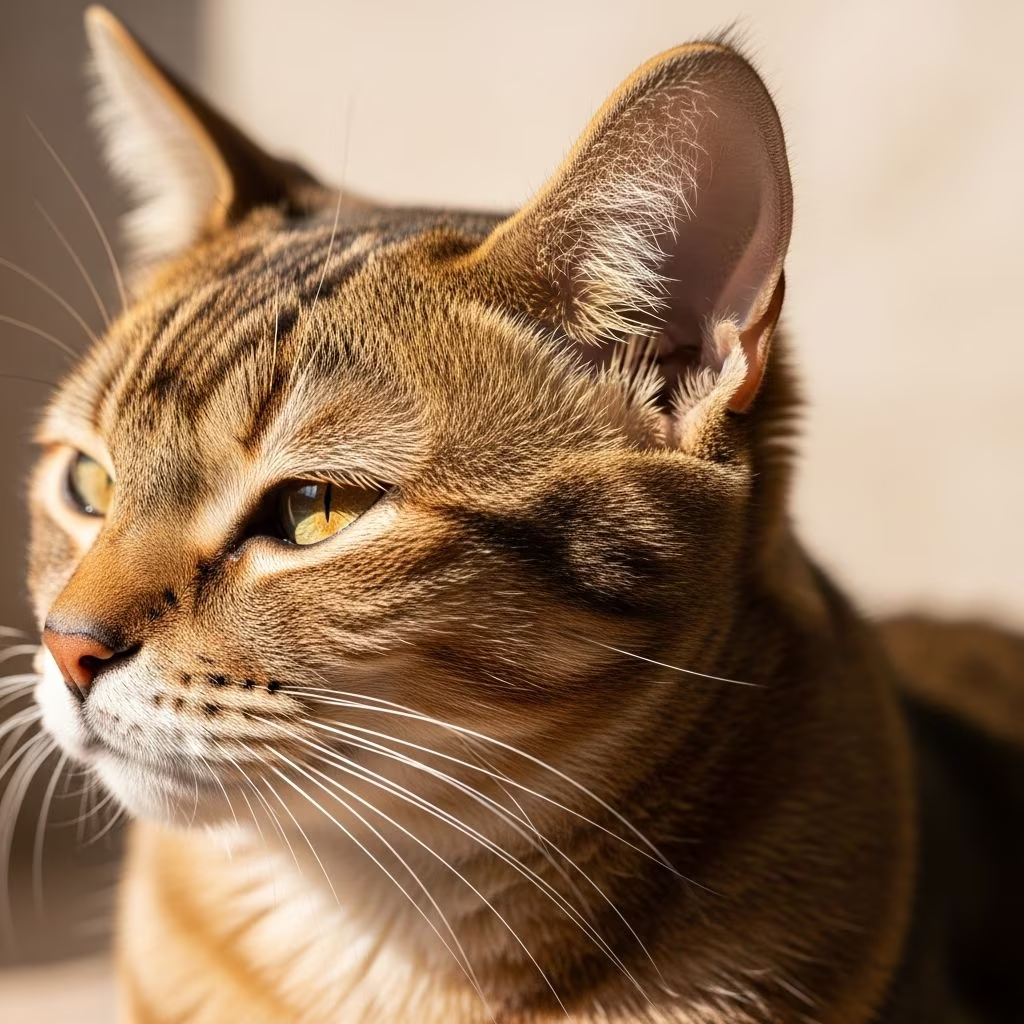
Sensitive skin in cats manifests as itching, redness, and discomfort, often stemming from allergies, parasites, or infections, requiring prompt veterinary diagnosis for effective management.
Recognizing the Signs of Skin Sensitivity in Cats
Cats with sensitive skin frequently exhibit excessive grooming, leading to bald patches, scabs, or raw areas, particularly around the neck, ears, and belly. Redness, flakiness, and a dull coat are common indicators that something is irritating their skin barrier.
- Intense scratching or licking: Cats may chew at their paws, flanks, or base of the tail relentlessly.
- Visible inflammation: Swollen, red skin or hot spots that worsen with touch.
- Hair loss patterns: Symmetrical baldness from over-grooming, distinguishing it from mange.
- Behavioral changes: Restlessness, aggression when touched, or avoidance of petting.
These symptoms can escalate quickly, potentially leading to secondary infections if not addressed. Early observation helps differentiate sensitivity from more serious conditions like hyperthyroidism.
Primary Causes Behind Feline Skin Irritation
Skin sensitivity arises from a combination of genetic predispositions and environmental triggers. Allergies top the list, with felines reacting to proteins in food, fleabites, or airborne particles like pollen and dust.
| Cause | Description | Common Triggers |
|---|---|---|
| Allergies | Immune overreactions causing itchiness | Food proteins, pollen, dust mites |
| Parasites | External pests burrowing or biting | Fleas, mites, ticks |
| Infections | Bacterial or yeast overgrowth | Secondary to allergies or wounds |
| Other Conditions | Hormonal or autoimmune issues | Thyroid problems, stress |
Fleas, even in small numbers, provoke intense reactions in allergic cats via flea allergy dermatitis. Environmental allergens peak seasonally, while food sensitivities persist year-round.
Steps for Accurate Diagnosis
Begin with a veterinary exam to rule out systemic diseases. Vets perform skin scrapings for parasites, cytology for infections, and allergy testing via intradermal or blood panels.
- History review: Note onset, diet changes, and outdoor access.
- Physical inspection: Check for fleas, mites, or lesions under magnification.
- Diagnostic tests: Biopsies for chronic cases or elimination diets for food allergies.
- Allergy identification: Pinpoint environmental culprits through specialized panels.
A multi-faceted approach ensures tailored treatment, preventing misdiagnosis of allergies as mere parasite issues.
Immediate Relief Strategies
While awaiting full diagnosis, soothe symptoms with vet-guided interventions. Cool compresses or hypoallergenic wipes reduce acute itching without chemicals.
- Elizabethan collars to curb self-trauma.
- Mild oatmeal baths for calming inflamed areas.
- Parasite preventives like topical Revolution Plus.
Avoid over-the-counter human products, as they can worsen feline skin barriers.
Comprehensive Treatment Approaches
Treatment targets the root cause while managing symptoms. A combination of medications, topicals, and lifestyle tweaks yields best results.
Medications for Inflammation and Itch Control
Corticosteroids like prednisolone offer rapid relief but require short-term use to avoid side effects such as diabetes. Alternatives include cyclosporine or oclacitinib for chronic management. Antihistamines like diphenhydramine provide variable relief.
Topical Therapies
Medicated shampoos with chlorhexidine combat infections, while hydrocortisone sprays ease redness. Long-term use of conditioners strengthens the skin barrier.
Immunotherapy Options
For environmental allergies, allergen-specific shots or drops desensitize the immune system over months, offering sustained control without daily drugs.
Nutritional Support for Skin Health
Diet plays a pivotal role. Hypoallergenic formulas with novel proteins eliminate food triggers, while omega-3 supplements bolster skin lipids, reducing dryness and itch.
- Fish oil additions decrease inflammation naturally.
- Vitamin E-enriched kibble supports healing.
- Hydrolyzed protein diets for severe cases.
Transition foods gradually over 8-12 weeks to monitor responses.
Home Environment Modifications
Minimize allergens by vacuuming frequently, using air purifiers, and opting for fragrance-free litter. Hypoallergenic bedding and limiting outdoor exposure curb dust and pollen intake.
Stress reduction via pheromone diffusers, play routines, and vertical spaces prevents flare-ups, as anxiety amplifies skin reactivity.
Preventive Measures for Long-Term Wellness
Consistent flea prevention year-round is non-negotiable. Annual vet check-ups catch issues early, and grooming routines remove debris before irritation sets in.
- Monthly parasite controls.
- Regular coat brushing for debris.
- Dietary monitoring for changes.
Track symptoms in a journal to correlate with seasons or new products.
Frequently Asked Questions
Can sensitive skin in cats resolve on its own?
Rarely; without intervention, it leads to infections. Vet care is essential.
Are natural remedies effective?
Fish oils help mildly, but no cures exist. Consult vets before use.
How long does treatment take?
Relief in days, full management months via immunotherapy.
Is it contagious?
No, allergies and sensitivities aren’t transmissible to other pets or humans.
What if symptoms persist?
Re-evaluate for underlying diseases like thyroid issues.
Monitoring Progress and When to Seek Help
Observe for reduced scratching within a week of starting treatment. Persistent or worsening signs warrant immediate re-checks to adjust plans or test for complications.
Proactive care transforms sensitive skin from a chronic burden to a manageable trait, ensuring your cat’s comfort and vitality.
References
- Managing Sensitive Skin in Cats — Under the Weather Pet. 2023. https://www.undertheweatherpet.com/blogs/under-the-weather/managing-sensitive-skin-in-cats
- Cat Skin Allergies: Types, Symptoms, and How Vets Treat Them — PetMD (Michael Kearley, DVM). 2023-10-15. https://www.petmd.com/cat/conditions/skin/cat-skin-allergies-types-symptoms-and-how-vets-treat-them
- Allergic Dermatitis in Cats — Pet Health Network. 2024. https://www.pethealthnetwork.com/cat-health/cat-diseases-conditions-a-z/allergic-dermatitis-cats
- Feline Atopic Skin Sensitivity (FASS) — Yonge Sheppard Vets. 2024-01-20. https://yongesheppardvets.ca/feline-atopic-skin-sensitivity/
- Cat Skin Allergies: Symptoms & Treatments — Purina. 2023. https://www.purina.com/articles/cat/health/skin-fur-ears/cat-skin-allergies-dermatitis
- Understanding Cat Sensitive Skin Issues — Hill’s Pet. 2024. https://www.hillspet.com/cat-care/healthcare/cat-sensitive-skin
- Atopic Dermatitis in Cats: Causes, Symptoms & Treatment — Animal Friends Dermatology. 2024-02-29. https://www.animalfriendsdermatology.com/site/blog/2024/02/29/atopic-dermatitis-cats



