

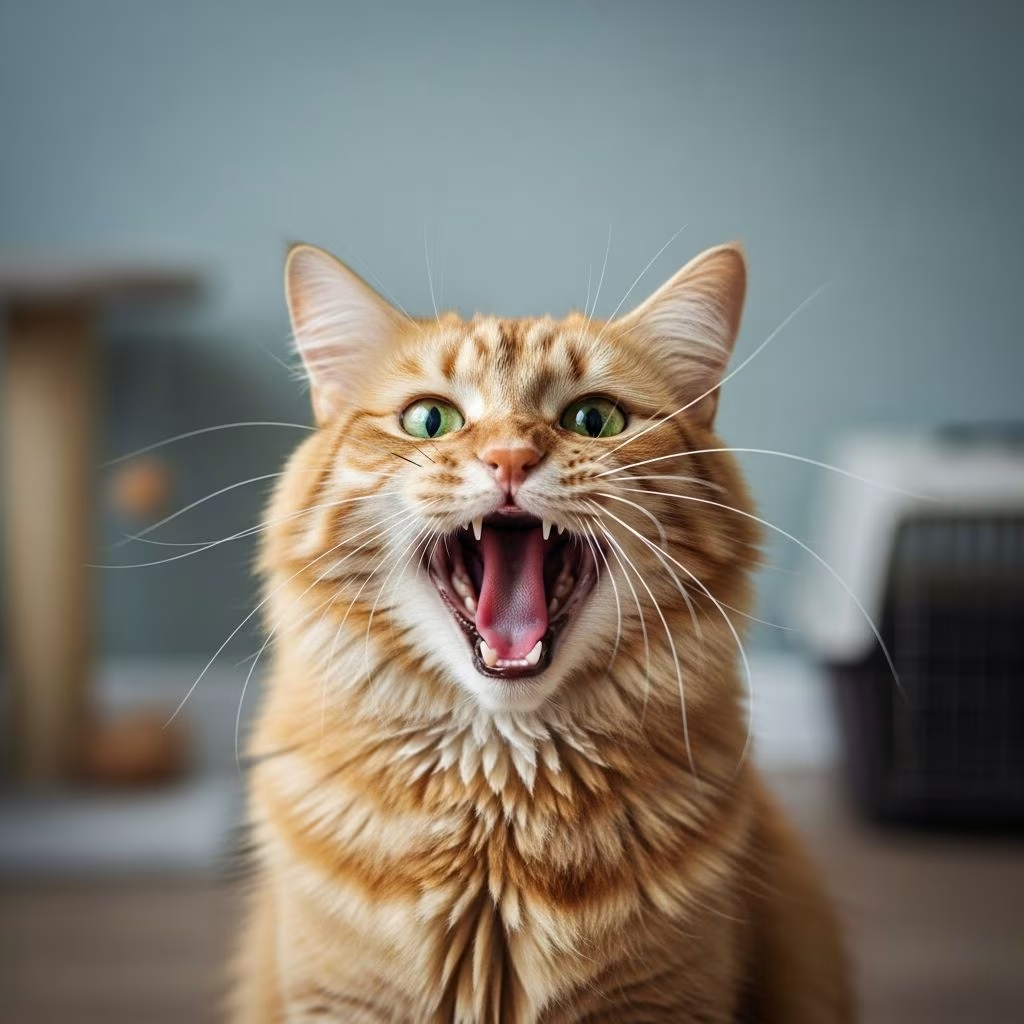
Your cat’s piercing screams can jolt you awake or disrupt your day, signaling distress that demands attention. Unlike typical meows, screaming—often described as yowling, howling, or caterwauling—is a high-intensity vocalization indicating urgent needs like pain, fear, or hormonal urges. Understanding these cries helps you address root causes effectively, ensuring your feline’s well-being and household harmony.
Why Do Cats Scream? Common Causes Explained
Cats scream for distinct reasons, ranging from instinctual behaviors to serious health alerts. Recognizing the context—time of day, body language, or accompanying symptoms—is crucial for diagnosis. Here’s a breakdown of the primary triggers based on veterinary insights.
1. Pain or Medical Distress
A sudden, sharp scream often points to acute pain from injury or illness. Cats in agony vocalize loudly to express discomfort they can’t otherwise communicate. Common culprits include urinary blockages in males, where straining in the litter box produces no urine and screams of torment—this can be fatal within 24 hours without emergency care. Another emergency is saddle thrombus, a blood clot causing hind leg paralysis, panting, and intense screaming. Systemic issues like hyperthyroidism, kidney disease, or arthritis also prompt howling, especially in seniors.
Observe for limping, hiding, appetite loss, or litter box struggles. Veterinary exams, including bloodwork and imaging, are essential to rule out these conditions. Early intervention prevents escalation.
2. Mating and Heat Cycles
Unspayed females in heat emit blood-curdling yowls every 2-3 weeks to attract mates, sounding like a woman’s scream. Intact males respond with territorial yowls or howls when detecting rivals. These hormonal drives peak at night, amplifying disruption.
Spaying or neutering eliminates these calls entirely, offering health benefits like reduced cancer risk. If surgery isn’t immediate, separate cats and provide distractions like toys.
3. Stress, Fear, or Anxiety
Environmental changes trigger defensive screams: new pets, moves, dirty litter boxes, or household chaos heighten anxiety. Fear-based screeches warn “back off,” often with arched backs or hissing. Multi-cat tensions over resources exacerbate this.
Maintain routines, ensure one litter box per cat plus one extra, and use pheromone diffusers for calm. Gradual introductions for new additions reduce conflicts.
4. Hunger, Attention-Seeking, or Boredom
Cats learn meowing—or screaming—gets results: food, play, or pets. Nighttime outbursts stem from crepuscular (dusk/dawn active) instincts, boredom, or unmet needs. Indoor cats may “zoom” and yowl for stimulation.
Ignore vocal demands; reward quiet behavior. Scheduled feedings, puzzle feeders, and evening play sessions tire them out.
5. Age-Related Issues: Cognitive Dysfunction
Senior cats (10+ years) with feline cognitive dysfunction (dementia) scream at night due to disorientation, disrupted sleep cycles, or confusion in the dark. Deafness amplifies volume as they can’t self-regulate.
Night lights, bedtime snacks, and vet-recommended supplements aid navigation and cognition. Rule out thyroid or kidney problems first.
6. Breed Tendencies and Normal Vocalization
Some breeds like Siamese are naturally vocal, but excessive screaming deviates from norms. Deaf or crepuscular-driven night yowls mimic this but warrant checks.
7. Feeling Trapped or Routine Disruptions
Outdoor cats indoors at night may yowl from cabin fever. Routine shifts cause stress vocalizations.
Cat flaps or safe outdoor access help, alongside enrichment.
How to Stop Cat Screaming: Practical Solutions
Addressing screams requires identifying the cause first—always start with a vet visit for new or intense episodes. Tailored strategies follow.
- Rule Out Health Issues: Full exam for pain, thyroid, kidneys, or blockages.
- Spay/Neuter Promptly: Ends heat/mating cries.
- Enrich Environment: Toys, perches, scratchers, window views combat boredom.
- Consistent Schedules: Fixed feeding/play times; ignore demands.
- Nighttime Fixes: Evening play, small snack, night lights, pheromone plugs.
- Reduce Stress: Clean litter daily, separate resources in multi-cat homes.
- Supplements/Meds: Vet-prescribed for dementia or anxiety.
Cat Screaming vs. Meowing: Key Differences
| Aspect | Meowing | Screaming/Yowling |
|---|---|---|
| Sound | Soft, repetitive, conversational | Loud, shrill, prolonged howl |
| Purpose | Attention, hunger, greeting | Pain, fear, mating, distress |
| Urgency | Low-moderate | High—often emergency |
| Triggers | Daily needs | Health, hormones, stress |
This table highlights why screams demand faster action than routine meows.
When to See a Vet for Cat Screaming
Seek immediate care for sudden screams with limping, no urination, paralysis, panting, or lethargy. Escalating, persistent, or nighttime-only yowls in seniors need checkups for cognitive or organ issues. Don’t delay—early detection saves lives.
Frequently Asked Questions (FAQs)
Why is my cat screaming at night?
Night screams often stem from crepuscular activity, boredom, hunger, dementia, or heat. Play before bed and vet checks help.
Is cat screaming a sign of pain?
Yes, especially sudden shrieks with physical symptoms like straining or dragging legs—emergencies like blockages or clots.
How do I stop my female cat from screaming in heat?
Spay her to eliminate hormonal yowls permanently.
Why do older cats scream more?
Cognitive dysfunction causes disorientation; thyroid/kidney diseases contribute. Night lights and supplements soothe.
Should I ignore a screaming cat?
Ignore attention-seeking cries but never medical ones—vet first, then train by rewarding quiet.
Preventing Future Cat Screaming Episodes
Proactive care minimizes screams: annual vet wellness, spay/neuter by 5 months, daily play (15-30 minutes), multiple resources, and stress monitoring. Track patterns in a journal for vet insights. Healthy, stimulated cats vocalize less disruptively.
By decoding screams, you foster a happier cat and quieter home. Persistent issues? Consult professionals promptly.
References
- What’s Your Cat Trying to Tell You? Causes of Constant Meowing — Carolina Virginia Animal Hospital. 2023. https://carolinavirginiavet.com/whats-your-cat-trying-to-tell-you-causes-of-constant-meowing/
- Why Is My Cat Screaming? Pain, Fear, or Anxiety? — Lady N Pet. 2024. https://ladynpet.com/us/blog/why-do-cats-scream/
- 5 Reasons Your Cat Won’t Stop Meowing At Night & How To Stop It — YouTube (Animal Behaviorist Insights). 2023. https://www.youtube.com/watch?v=1gWWnz8IhHA
- 5 Cat Behavior Problems and How to Solve Them — ASPCA Pet Insurance. 2024. https://www.aspcapetinsurance.com/resources/5-cat-behavior-problems-and-how-to-solve-them/
- The Cat’s Meow! Caterwauling in Cats — VCA Animal Hospitals. 2024-10-15. https://vcahospitals.com/know-your-pet/the-cats-meow-caterwauling-in-cats
- Why Does My Cat Meow at Night? 6 Reasons & Ways to Prevent It — Purina. 2024. https://www.purina.com/articles/cat/behavior/training/cat-meowing-at-night



