
Cat Scratching: Reasons and Furniture Protection
Discover why cats scratch and expert strategies to safeguard your home while respecting their instincts.
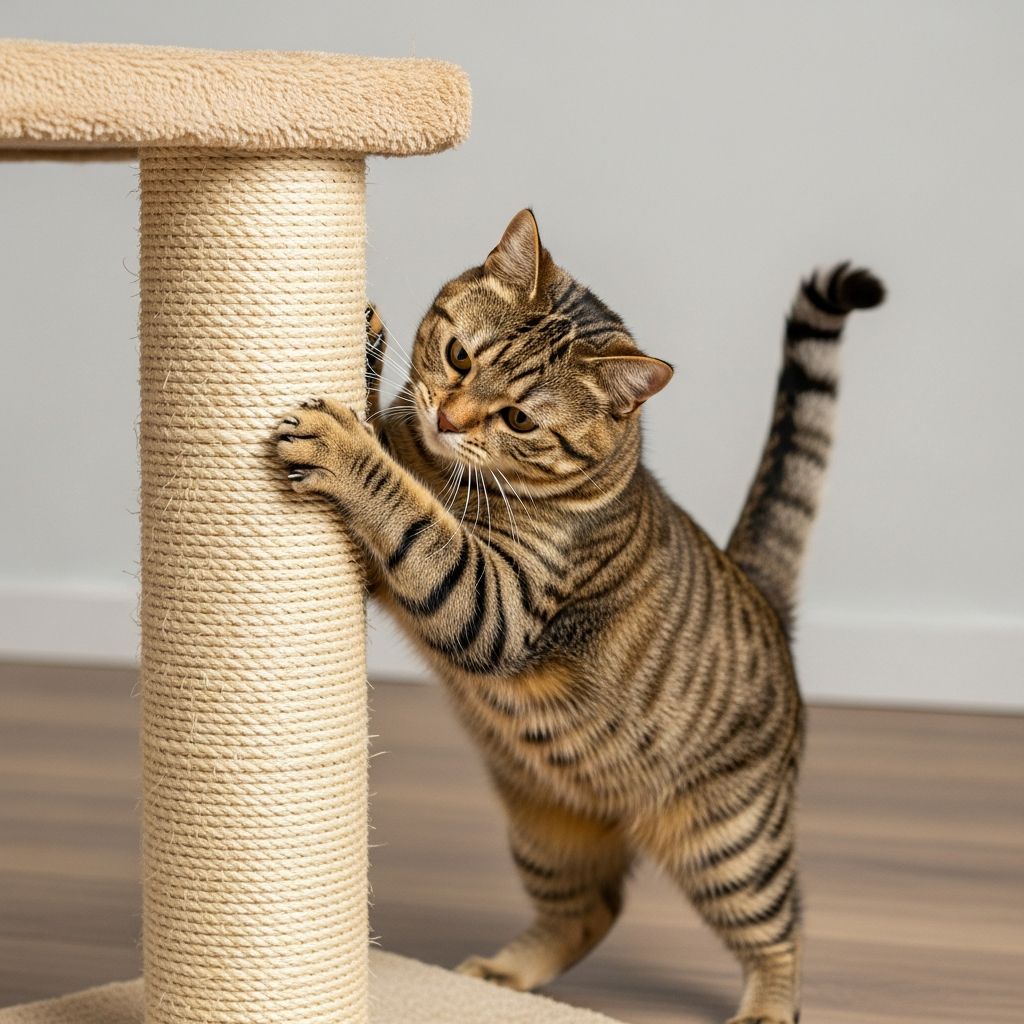
Cats scratch as a fundamental instinct serving multiple purposes, including claw maintenance, territory marking, and physical stretching, which can challenge indoor living but can be managed effectively with proper redirection strategies.
The Instinctual Drive Behind Feline Scratching
Feline scratching originates from deep-rooted instincts that persist throughout a cat’s life, not limited to kittens. This behavior fulfills essential needs like shedding outer claw sheaths to keep nails sharp and healthy, preventing painful ingrown issues. It also stretches muscles in the paws, shoulders, and back, promoting physical well-being akin to a routine exercise for mobility.
Recent research reframes scratching beyond mere territorial signaling. A 2025 study surveying nearly 1,800 cat owners found scratching often occurs in relaxing, social areas like resting spots rather than conflict zones, suggesting links to contentment and routine maintenance over stress. Indoor cats, lacking natural outlets, direct this urge toward furniture, walls, or fabrics.
Key Functions of Scratching in Cat Life
- Claw Conditioning: Removes dead nail layers, sharpening tips for hunting or climbing capabilities.
- Scent Marking: Paws contain glands releasing pheromones, combined with visual scratches to claim spaces.
- Physical Relief: Stretches and tones muscles, providing emotional satisfaction similar to stress release.
- Social Communication: Signals presence to other cats or humans, often in shared areas like sofas.
Understanding these roles shifts perspective from viewing scratching as destructive to recognizing it as vital for cat health.
Common Household Targets and Why They Appeal
Cats prefer textures mimicking tree bark, such as upholstered furniture, carpets, or wood, due to their ideal resistance and grip. High-traffic spots near entrances or owner seating areas attract scratches for marking valued territories. Vertical surfaces allow full-body extension, signaling confidence, while horizontal ones suit casual maintenance.
New or rearranged items prompt exploration scratches, and anxiety from changes like new pets can increase targeting of novel sites. Surprisingly, homes with dogs show less scratching, possibly indicating reduced stress or more play outlets.
Humane Strategies to Discourage Furniture Damage
Effective management emphasizes redirection, enrichment, and positive reinforcement over punishment, which erodes trust and heightens anxiety. Start by assessing your cat’s preferences through observation.
Selecting and Positioning Ideal Scratching Options
Provide varied posts: sisal rope for vertical appeal, cardboard scratchers for horizontal use, and curved boards for stretching. Place them near problem areas initially, then transition. Sturdy, tall models (at least 3 feet) prevent tipping, and multiple options accommodate multi-cat homes.
| Scratcher Type | Best For | Placement Tips |
|---|---|---|
| Sisal Post | Vertical clawing | Near sofa or doorways |
| Cardboard Pad | Horizontal scratching | By bed or chair |
| Wall Shelf | High stretches | Eye-level in living room |
Positive Reinforcement Techniques
Reward use immediately with treats, praise, or play. Clicker training marks the moment: click when paws touch the scratcher, followed by a reward. Consistency builds habit; ignore furniture scratches to avoid reinforcing attention-seeking.
Gradually block access to furniture using double-sided tape, plastic covers, or aluminum foil, which deter due to unpleasant textures without harm.
Environmental Enrichment to Reduce Scratching Urges
Boredom amplifies unwanted scratching, so enrich environments with interactive toys, window perches, and puzzle feeders to mimic hunting. Daily play sessions tire cats physically and mentally, channeling energy appropriately. Vertical spaces like cat trees fulfill climbing instincts, reducing floor-level destruction.
Address stress triggers: pheromone diffusers calm anxious cats, and routine schedules provide security. Multi-cat households benefit from separate resources to minimize competition.
Claw Maintenance Alternatives
Regular trimming dulls claws, reducing damage potential. Use cat-specific clippers, holding paws gently and rewarding cooperation. Soft claw caps offer non-invasive coverage, lasting 4-6 weeks.
Nail files attached to posts encourage self-maintenance. Avoid declawing, as it removes functional limbs, leading to lifelong pain and behavioral issues.
Interpreting Scratching Changes as Health Signals
Sudden increases or new locations may indicate medical issues like arthritis or dental pain prompting posture shifts. Consult vets for persistent changes, ruling out hyperthyroidism or skin allergies. Behavioral shifts post-adoption often normalize with time and adjustment aids.
FAQs on Cat Scratching Behavior
Why does my cat scratch me?
Often playful or overstimulated; redirect to toys and trim claws regularly.
Will my cat outgrow scratching furniture?
No, it’s lifelong; provide lifelong alternatives.
How long to train a cat to use a scratcher?
1-4 weeks with consistency; patience varies by cat.
Are soft paws safe for indoor cats?
Yes, they cover claws harmlessly without impeding natural filing.
Can punishment stop scratching?
No, it increases fear and redirects elsewhere; use positive methods.
Long-Term Success in Cat-Friendly Homes
Integrating scratching solutions fosters harmony. Monitor progress, adjusting setups as needs evolve with age or household changes. Cats thrive when instincts are met, leading to stronger bonds and pristine furnishings.
References
- What Humans Need to Understand About Cat Scratching — Psychology Today. 2025-06. https://www.psychologytoday.com/us/blog/all-dogs-go-to-heaven/202506/rethinking-cat-scratching
- Why Do Cats Scratch? — Chewy. N/A. https://www.chewy.com/education/cat/training-and-behavior/why-do-cats-scratch
- Understanding cat scratching behavior — Wisdom Panel. N/A. https://www.wisdompanel.com/en-us/blog/understanding-cat-scratching-behavior
- Behavior Challenges: Inappropriate Scratching — San Diego Humane Society. N/A. https://sdhumane.org/resources/behavior-challenges-inappropriate-scratching/
- Why do cats scratch furniture? — The Cat Behavior Clinic. N/A. https://www.thecatbehaviorclinic.com/why-do-cats-scratch-furniture/
- Common feline problem behaviors: Destructive scratching — Journal of Feline Medicine and Surgery. 2019. https://journals.sagepub.com/doi/10.1177/1098612X19831205
- Cat Behavior Problems – Scratching Behavior — VCA Animal Hospitals. N/A. https://vcahospitals.com/know-your-pet/cat-behavior-problems—scratching-behavior
Similar Articles








Read full bio of medha deb




