

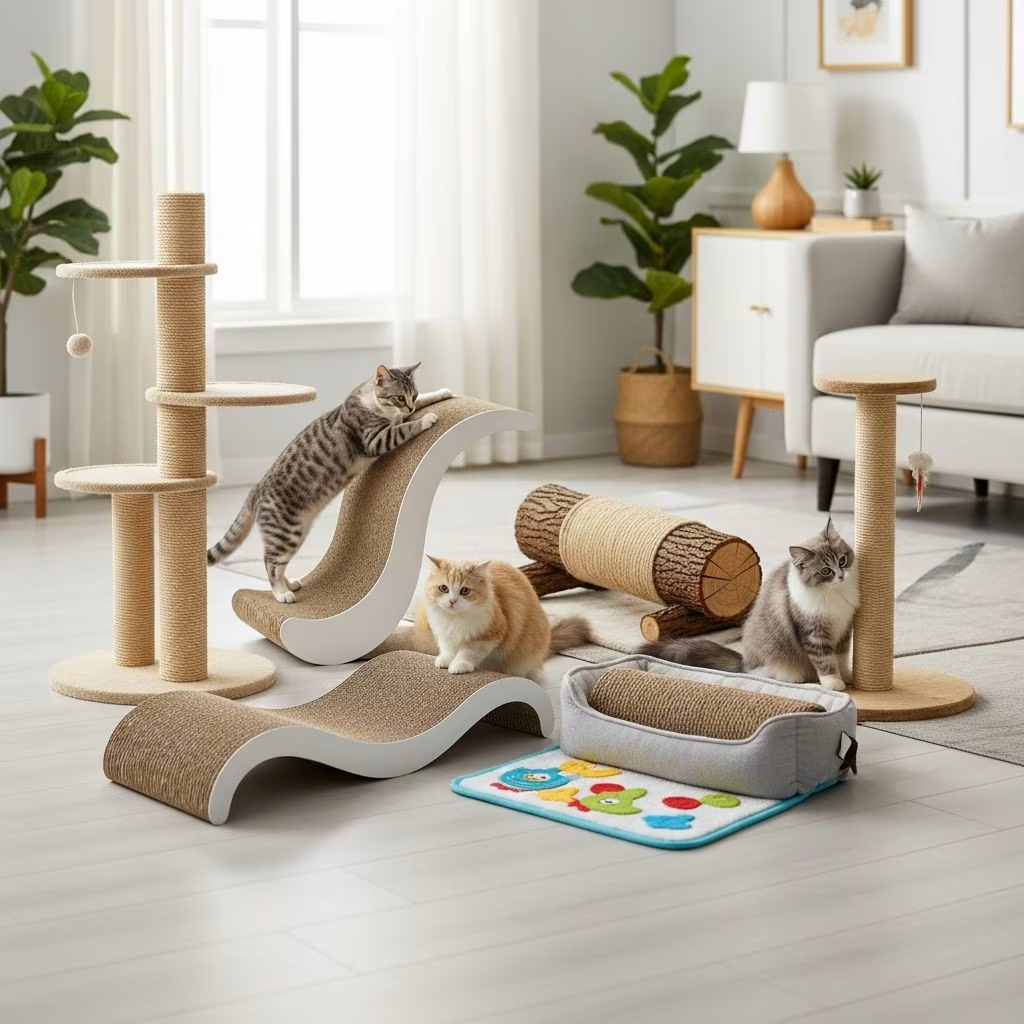
Cat Scratching Posts to Match Your Kitty’s Scratching Style
Scratching is far more than just a bad habit that damages your furniture. It’s an essential and natural behavior that plays a crucial role in your cat’s physical health and emotional well-being. Understanding why cats scratch and what they need to do it properly can transform your approach to providing appropriate scratching surfaces in your home.
When your cat scratches, they’re engaging in multiple important activities simultaneously. Scratching conditions and maintains their nails by removing the outer sheaths and keeping them sharp. Beyond nail maintenance, scratching serves as a form of stretching that keeps your cat’s muscles limber and their body flexible. Cats also use scratching as a way to mark their territory visually and through scent glands located in their paws. Additionally, scratching can serve as a displacement behavior—a way for cats to work through stress, anxiety, or tension. Understanding these functions helps explain why scratching posts aren’t optional furniture; they’re essential tools for feline wellness.
The key to preventing your cat from scratching your furniture lies in providing scratching surfaces that are more appealing than your couch, curtains, or carpets. This requires matching the scratching post to your individual cat’s preferences and scratching style. Every cat is unique, and what works perfectly for one cat might be completely ignored by another.
Understanding Why Your Cat Scratches
Before you can choose the right scratching post, it’s important to understand the multifaceted reasons behind your cat’s scratching behavior. Your cat isn’t scratching to be destructive or to annoy you—they’re fulfilling fundamental biological and psychological needs.
Nail Conditioning: Scratching helps cats shed the outer sheaths of their claws, keeping their nails sharp and healthy. This is essential for their ability to climb, hunt, and defend themselves.
Stretching and Exercise: When cats scratch, they’re stretching their muscles from their toes all the way through their shoulders and back. This full-body stretch is particularly important for maintaining flexibility and muscle tone.
Territory Marking: Cats have scent glands in their paws. When they scratch surfaces, they’re leaving visual marks and scent markers that communicate to other cats and animals that this space belongs to them.
Stress Relief: Scratching can be a displacement behavior that helps cats cope with tension, anxiety, or excitement. If your cat is scratching more frequently during stressful situations, they may be using this activity to self-soothe.
Selecting the Right Scratching Post Material
The material of your scratching post is one of the most critical factors in determining whether your cat will actually use it. Different materials offer different textures and experiences, and your cat will have preferences based on their individual scratching style.
Sisal Rope and Rope Posts
Sisal rope is widely considered one of the best scratching post materials available. It’s rough enough to provide effective nail conditioning, durable enough to withstand regular use, and satisfying enough for cats to achieve an effective scratch. Research published in the Journal of Feline Medicine and Surgery found that cats used rope (sisal) substrate scratching posts most frequently, suggesting that despite other options being more commonly offered by pet owners, cats genuinely prefer sisal. The Frisco 21-inch Cat Scratching Post, wrapped in sisal with a soft plush base, exemplifies how sisal posts combine functionality with comfort.
Cardboard Scratchers
Cardboard scratchers offer a unique appeal to many cats. These scratchers are designed with cardboard boxes turned on their sides, packed tightly together, and cut into manageable sizes. They come in numerous styles including pads, wedges, curved lounges like the Catit lounge scratcher, and even window-mounted options. Cardboard scratchers are particularly appealing to cats who enjoy horizontal scratching and create visible results as cats shred the material. The fact that cats can see and feel their scratching effects may contribute to their appeal.
Carpet Materials
Some cat scratching posts incorporate carpet, either as the primary material or as accents. An interesting finding from owner surveys is that while carpet scratching posts were more likely to be offered by pet owners, cats didn’t necessarily prefer them over sisal or other materials. However, if your cat is already scratching your carpeted floors, a carpeted post may prove more appealing than other options. Posts like the Four Paws scratching post combine carpet with sisal and include engaging elements like dangling toys with catnip.
Sea Grass and Natural Materials
Sea grass is another excellent scratching material known for its durability and resistance to stains. Like sisal, it provides the rough texture cats need for effective scratching. Products such as the Petlinks Sea Ramp Seagrass Scratching Post offer this natural material option for cats who need durable, long-lasting scratchers.
Determining Your Cat’s Scratching Style
Cats scratch in different ways, and understanding your cat’s preferred scratching style is essential for selecting an appropriate post. Pay close attention to where and how your cat scratches around your home to identify their preference.
Vertical Scratchers for Cats Who Reach High
Some cats prefer to stretch upward while scratching, reaching as high and far as they can while pulling downward. These cats need tall or long scratching posts that allow them to extend their full body. Cats who like to be “up high” and enjoy elevated positions will probably prefer tall scratching posts. Most cats like to stretch out or up while scratching, which is why tall, stable scratching posts are generally recommended.
If you notice your cat scratching the arms of sofas, the backs of chairs, or climbing drapes while scratching, they’re demonstrating a preference for vertical scratchers. Traditional upright poles and free-standing posts work well for these cats. Hanging scratchers like the Smartykat Scratch Up hanging cat scratcher provide vertical options for cats with limited floor space.
Horizontal Scratchers for Ground-Level Cats
Other cats prefer to scratch on flat surfaces closer to the ground. These cats tend to bow their front end down while raising their back end, scratching in a position similar to kneading. If your cat scratches welcome mats, rugs, or the tops of sofas, they’re indicating a preference for horizontal scratchers.
Cats who like to be down low or hide away prefer smaller scratching posts or horizontal cardboard scratchers closer to the ground. Flat scratchers such as cardboard pads, mat scratchers, or lounges like the Scratch Lounge original are ideal for these felines. Scratching mats designed to drape over furniture arms and couch backs are also excellent options for cats who prefer horizontal surfaces.
Incline and Multi-Directional Scratchers
Some cats enjoy incline scratchers, which offer a compromise between vertical and horizontal scratching. Products like the SmartyKat Sisal Angle Scratcher provide this angled option and often come with catnip to increase appeal. If your cat likes to scratch any old place in any old position, or if you have multiple cats with different preferences, three-dimensional cube scratchers or bed-type scratchers with both vertical and horizontal sides are ideal. These multifunctional pieces work double-duty as napping spots while satisfying multiple scratching styles.
Height and Size Considerations
Beyond material and style, the physical dimensions of your scratching post matter significantly. A scratching post that’s too short won’t allow your cat to fully stretch, and one that’s too unstable can be frightening.
For vertical posts, your cat should be able to stretch her body from her toes all the way up to her front paws when reaching toward the top. This full-body extension is essential for the stretching benefits of scratching. For horizontal posts, cats need enough length to bend down and get a good scratch without their body extending beyond the scratching surface.
Stability is also critical. A scratching post that wobbles or falls over can frighten your cat and discourage them from using it. Heavier, more substantial posts are preferable to flimsy ones that might tip during vigorous scratching sessions.
Understanding Your Cat’s Personality and Habits
Beyond scratching style, your cat’s general personality and preferences should guide your scratching post selection. Pay attention to whether your cat is a “cave dweller, a floor dweller or an up-high dweller.” Cats who like to be up high will probably prefer a tall scratching post. Cats who like to be down low or hide away will prefer smaller scratching posts or horizontal cardboard scratchers closer to the ground.
Also consider when your cat is most likely to scratch. Some cats like to scratch after a nap or after a meal. Others scratch when in a tense situation or as a way to displace anxiety. By understanding these patterns, you can locate your scratching posts in places where your cat would appreciate them most. There’s no rule limiting you to just one scratching post—in fact, providing multiple options is highly recommended.
How Many Scratchers Does Your Cat Need?
The number of scratching posts your cat needs depends largely on their lifestyle and your home layout. Indoor-only cats need at least five or more scratchers spread through different areas of the home. An ideal setup includes:
- At least one horizontal cardboard cat scratcher
- One incline cardboard scratcher
- One sisal scratching post
- One carpeted post (tall or short, depending on your cat’s personality)
- Additional scratchers placed strategically throughout your home
If your cat has access to outdoors, where they can mark away on trees and the ground, they don’t need as many indoor scratching spots. However, providing variety prevents your cat from becoming bored and reduces the likelihood they’ll turn to your furniture.
Getting Your New Cat Started with Scratchers
Timing is crucial when introducing scratching posts to your home. Ideally, provide scratching options as soon as you bring your new cat home. If you wait until your cat has started scratching the couch, it will be harder to redirect the behavior because your cat will have already started scent marking the couch and will view this piece of furniture as their marking spot.
Give them a lot of options right away, and make the couch and carpet undesirable by using deterrents or furniture covers. By establishing appropriate scratching habits from the beginning, you set your cat up for success and protect your furniture.
Matching Scratching Posts to Common Problem Areas
If your cat is already scratching specific areas of your home, you can use this information to select appropriate scratchers. If your cat scratches your carpeted floors, a carpeted post may be more appealing than sisal. If they’re scratching sofa arms and chair backs, they need vertical posts. If they’re targeting welcome mats and rugs, horizontal scratchers are the solution.
Popular Scratching Post Options
The market offers numerous scratching posts designed for different preferences:
- Cat Trees and Free-Standing Posts: Traditional vertical scratchers ideal for cats who like to reach high
- Wall-Mounted Scratchers: Space-saving options made from cardboard, fabric, or other materials
- Scratching Pads and Mats: Flat options designed to sit on floors or drape over furniture
- Loungers and Beds: Multifunctional pieces that combine scratching surfaces with napping spots
- Window-Mounted Scratchers: Options like the K&H Pet Products EZ Mount Window Scratcher that combine scratching with window views
- Box and Ramp Scratchers: Options featuring both high and low scratching surfaces for cats with mixed preferences
Frequently Asked Questions
Q: What material is best for cat scratching posts?
A: Sisal rope is typically considered the best choice because it’s rough, durable, and provides an effective and satisfying scratch. However, research shows cats also frequently use rope scratching posts, and your individual cat may prefer cardboard, carpet, or sea grass depending on their scratching habits.
Q: How can I tell if my cat prefers vertical or horizontal scratching?
A: Observe where your cat scratches. If they scratch sofa arms, chair backs, or drapes while standing on hind legs, they prefer vertical scratchers. If they scratch welcome mats, rugs, or sofas while in a bowing position, they prefer horizontal scratchers.
Q: How tall should a scratching post be?
A: For vertical posts, your cat should be able to stretch their body from their toes all the way up to their front paws when reaching the top. The post should be tall enough to allow a complete, satisfying stretch.
Q: Can I use just one scratching post?
A: Indoor-only cats ideally need at least five or more scratchers spread throughout the home in different areas. Multiple scratchers prevent boredom and significantly reduce the likelihood of furniture scratching.
Q: When should I introduce scratching posts to my cat?
A: Introduce scratching posts as soon as you bring your cat home. Early introduction prevents furniture scratching habits from developing and makes it easier for your cat to establish appropriate scratching behaviors.
Q: What’s the best way to encourage my cat to use a scratching post?
A: Place scratching posts where your cat naturally wants to scratch, consider their scratching style and material preferences, and choose options with appealing heights and textures. Many cats are also attracted to posts enhanced with catnip.
References
- Scratching Posts: How to Choose the Best One — Cat Behavior Associates. https://catbehaviorassociates.com/scratching-posts-how-to-choose-the-best-one/
- Cat Scratching Posts to Match Your Kitty’s Scratching Style — Chewy Education. https://www.chewy.com/education/cat/training-and-behavior/cat-scratching-posts-to-match-your-kittys-scratching-style
- What’s Your Cat’s Scratching Style? — PetMD. https://www.petmd.com/cat/behavior/whats-your-cats-scratching-style
- How to Choose the Best Scratching Post for Your Cat — Zoetis Petcare. https://www.zoetispetcare.com/blog/article/choose-best-scratching-post
- My Favorite Scratching Post — CatVetLife. https://catvetlife.com/my-favorite-scratching-post/
- Journal of Feline Medicine and Surgery Owner Survey on Cat Scratching Preferences — Journal of Feline Medicine and Surgery. Published research on cat scratching behavior and substrate preferences based on owner surveys and veterinary analysis.



