
Cat Scratching Posts: Complete Health & Wellness Guide
Discover why scratching posts are essential for your cat's physical and mental wellbeing
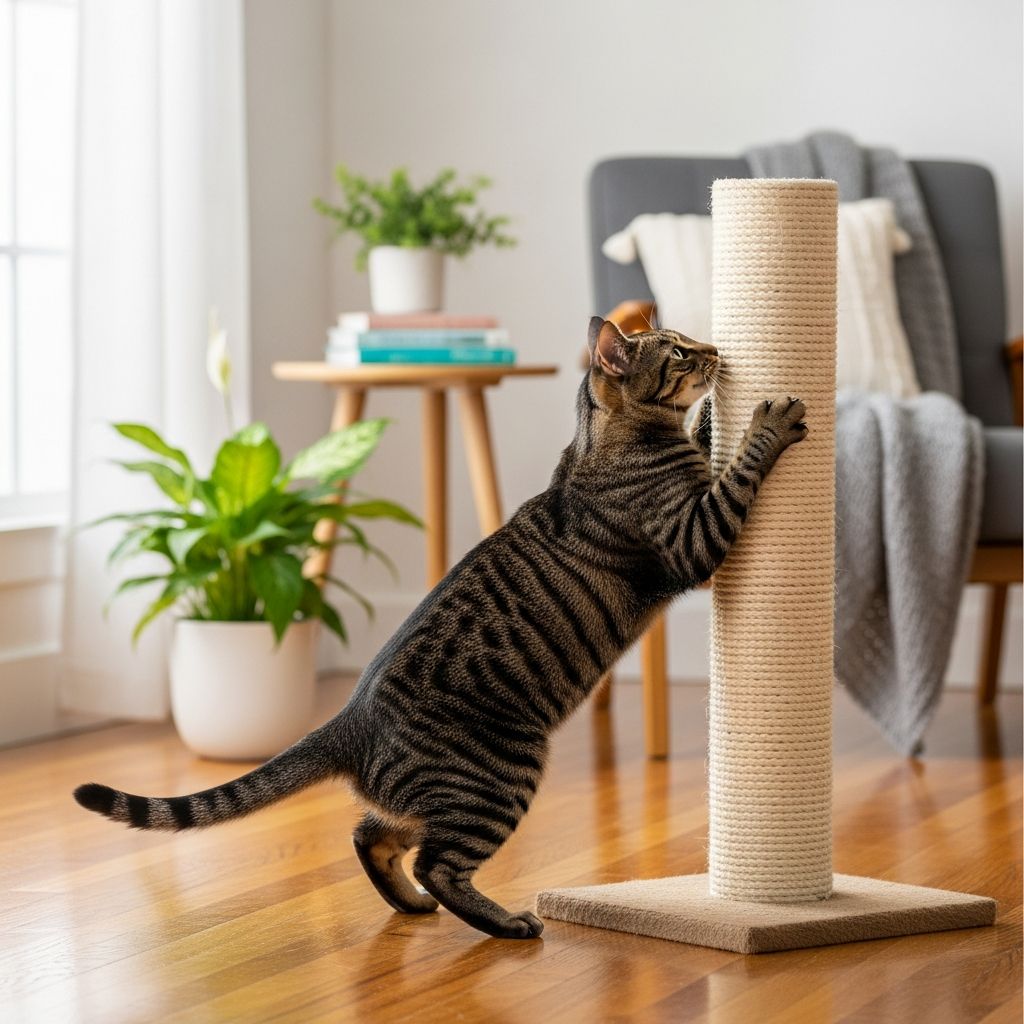
Cat scratching posts represent far more than decorative furniture accessories or damage control solutions for homeowners. These structures serve as multi-functional wellness tools that address fundamental biological and psychological needs in cats. Whether you share your home with a single feline companion or multiple cats, understanding the comprehensive benefits of scratching posts can transform how you approach pet care and household management.
The Foundation: Why Cats Scratch Naturally
Scratching constitutes an intrinsic behavior in felines, rooted in thousands of years of evolutionary development. When cats engage in scratching activities, they’re not simply expressing frustration or boredom—they’re fulfilling essential physiological and psychological requirements that contribute to their overall health and emotional stability. This natural instinct manifests across different contexts and serves multiple simultaneous purposes that benefit your cat’s wellbeing in interconnected ways.
Recognizing scratching as a legitimate biological need, rather than a destructive problem, is the first step toward creating an environment where both cats and homeowners can thrive. By providing appropriate outlets for this behavior, you’re essentially supporting your cat’s fundamental right to express their natural tendencies while protecting your household belongings.
Claw Maintenance and Physical Health Benefits
One of the most significant advantages of scratching posts involves maintaining optimal claw condition and integrity. When cats scratch, they engage in a process known as stropping, which removes the outer sheath of their claws. This natural grooming mechanism accomplishes several critical health objectives simultaneously.
The stropping process ensures that cats maintain sharp, functional claws essential for climbing, hunting, and self-defense. By removing dead outer layers, scratching posts help prevent the accumulation of debris and bacteria that can lead to infections or ingrown claws—painful conditions that can significantly impact a cat’s mobility and comfort. This preventive maintenance function means that cats with access to appropriate scratching surfaces experience fewer veterinary complications related to claw health.
Beyond surface-level grooming, regular scratching contributes to overall claw strength and precision. Cats that consistently use scratching posts develop stronger, more resilient claws that function optimally for their natural climbing and hunting behaviors.
Full-Body Exercise and Muscle Development
Scratching posts function as dynamic exercise equipment for cats, engaging their entire musculoskeletal system during each use. When cats stretch upward against a scratching post, they activate muscles throughout their body—from their shoulders and spine to their hind legs and core. This comprehensive muscular engagement provides benefits comparable to a targeted fitness routine.
The stretching component of scratching behavior plays a crucial role in maintaining flexibility and preventing stiffness. Indoor cats particularly benefit from scratching posts because these structures provide structured opportunities for the kind of vertical movement and reaching that outdoor cats naturally engage in through climbing trees and navigating varied terrain.
For cats managing weight concerns, scratching posts offer a positive avenue for calorie expenditure. The Centers for Disease Control estimates that obesity affects a significant proportion of domestic cats, making physical activity solutions increasingly important for feline health. The jumping, climbing, and reaching movements involved in using scratching posts contribute meaningfully to energy expenditure and overall fitness maintenance.
Psychological Wellness and Stress Management
Beyond physical health improvements, scratching posts serve essential mental health functions by providing stress relief and emotional regulation outlets. When cats scratch, their bodies release endorphins—neurochemicals that promote feelings of contentment and relaxation. This biochemical response means that scratching essentially functions as a built-in mood enhancement mechanism.
Cats experience stress and anxiety just as humans do, and they require healthy coping mechanisms to manage these emotional states. Anxiety-triggering situations such as household changes, introduction of new pets, loud noises, or environmental alterations can cause significant distress. Scratching posts provide a self-soothing behavior that allows cats to process and release tension constructively.
By designating scratching posts as appropriate outlets for these emotional needs, you’re essentially providing your cat with a therapeutic tool. Cats that have access to scratching posts demonstrate reduced instances of destructive behaviors stemming from anxiety or frustration, as they can channel their stress into a positive, instinctively satisfying activity.
Territorial Communication and Scent Marking
Scratching serves an important communicative function that many cat owners don’t fully appreciate. When cats scratch, they’re not merely maintaining their claws—they’re engaging in territorial marking behavior. Cats possess specialized scent glands located in their paw pads that release pheromones when they scratch surfaces.
This scent-marking behavior communicates important information to other cats and reinforces the cat’s sense of security and ownership within their territory. When a cat scratches a post near their owner, they’re literally claiming that space and person as part of their family unit, leaving both visual and olfactory markers. This territorial marking behavior is essential for a cat’s psychological sense of security and belonging in their environment.
For cats living in multi-cat households, scratching posts serve as shared territorial markers that help establish community spaces where all cats can feel ownership and connection.
Multi-Cat Household Dynamics
When multiple cats share a home, scratching posts become important social infrastructure. Rather than creating conflict, well-positioned scratching posts often function as congregation points where cats of different ages and temperaments converge naturally.
These gathering spaces provide opportunities for cats to interact, play, and establish their relative positions within the household hierarchy. Different levels on multi-tiered scratching posts accommodate cats of varying ages, sizes, and social standings, allowing each cat to find their preferred space. This structure reduces tension by providing multiple zones where cats can comfortably coexist.
The mutual interest in scratching posts creates common ground that strengthens bonds between feline housemates and provides shared positive experiences that contribute to household harmony.
Development Support for Kittens and Young Cats
Young cats benefit tremendously from early exposure to appropriate scratching posts. Kittens possess abundant energy and require constructive outlets for their play drive and physical development. Providing scratching posts during the kitten stage accomplishes several important goals simultaneously.
Early introduction to scratching posts establishes positive behavioral patterns that persist throughout the cat’s life. When kittens learn that scratching posts are their designated scratching surfaces, they develop lifelong preferences for these structures over household furniture. This early conditioning makes behavioral management significantly easier during adulthood.
Additionally, scratching posts help kittens adjust to new homes by providing familiar, comforting outlets for their considerable physical and emotional energy. The act of scratching releases endorphins that help anxious kittens feel more secure in unfamiliar environments.
Furniture Protection and Household Harmony
While the health and wellness benefits represent the most important advantages, scratching posts also serve the practical function of protecting household furnishings and décor. By providing designated scratching surfaces, cat owners can significantly reduce damage to upholstered furniture, curtains, carpeting, and other household items.
This protective benefit doesn’t require punishment or negative reinforcement—approaches that can increase stress and anxiety in cats. Instead, by offering appropriate scratching outlets, you’re simply redirecting your cat’s natural instinct toward acceptable surfaces. This positive approach preserves both your belongings and your cat’s emotional wellbeing.
Key Features to Consider When Selecting Scratching Posts
Not all scratching posts provide equal benefits. Several design features significantly impact whether a cat will consistently use a post and derive maximum advantage from it.
Height and Vertical Space
Cats require scratching surfaces that allow full-body stretching. Posts should be tall enough that cats can stretch their entire bodies when reaching upward. Vertical surfaces enable the shoulder and spine stretching that provides maximum muscle engagement and flexibility benefits.
Stability and Durability
Scratching posts must be sufficiently sturdy that they don’t wobble or tip when cats apply pressure. An unstable post creates safety concerns and discourages use, undermining the entire purpose of the structure. Quality construction ensures longevity and consistent availability of this important wellness tool.
Material Selection
Different cats display preferences for various scratching surfaces. Common options include sisal rope, corrugated cardboard, carpet, and wood. Observing your cat’s natural scratching behaviors can help you identify which materials they prefer, increasing the likelihood they’ll use the post consistently.
Special Considerations for Different Life Stages
| Life Stage | Key Scratching Needs | Recommended Features |
|---|---|---|
| Kittens (Under 1 Year) | High energy outlet, behavioral conditioning, play engagement | Interactive elements, lower heights, durable materials |
| Adult Cats (1-7 Years) | Muscle maintenance, stress relief, territorial marking | Full-height posts, varied materials, sturdy construction |
| Senior Cats (7+ Years) | Gentle stretching, low-impact exercise, accessibility | Shorter posts, wider bases, non-slip surfaces |
Maximizing the Benefits Through Strategic Placement
Where you position scratching posts significantly influences their usage frequency and the benefits your cat derives. Posts placed in high-traffic areas where cats naturally gather encourage regular use. Positioning posts near windows allows cats to combine scratching with bird-watching activities, creating multifunctional spaces that engage multiple feline interests.
Multiple posts distributed throughout the home ensure that cats don’t need to travel excessive distances to access scratching surfaces. This accessibility increases the likelihood that cats will use posts for stress relief during moments of anxiety or excitement.
Frequently Asked Questions About Cat Scratching Posts
Do indoor cats need scratching posts?
Yes, indoor cats require scratching posts equally as outdoor cats. Indoor cats lack natural climbing and scratching surfaces available in outdoor environments, making designated posts essential for maintaining physical health, managing stress, and expressing natural behaviors.
How often should cats use scratching posts?
Healthy cats naturally use scratching posts multiple times daily. The frequency varies based on individual temperament, stress levels, and age, but regular use indicates that the post is meeting your cat’s needs appropriately.
What’s the ideal height for a scratching post?
Posts should be tall enough that your cat can fully extend their body when standing on hind legs and reaching upward. Most cats benefit from posts at least 24-36 inches tall, though larger cats may prefer taller structures.
Can scratching posts help with behavioral problems?
Yes, providing appropriate scratching outlets often reduces destructive behaviors stemming from anxiety, excess energy, or territorial frustration. However, scratching posts address the underlying need rather than the symptom, making them preventive rather than corrective tools.
How should I introduce my cat to a new scratching post?
Place the post in an area where your cat spends time, and consider using catnip or interactive play to generate initial interest. Most cats naturally investigate new structures, but patient encouragement helps them understand the post’s purpose.
Creating an Integrated Wellness Approach
Scratching posts represent just one component of comprehensive feline wellness care. When combined with appropriate nutrition, regular veterinary care, environmental enrichment, and dedicated play time, scratching posts contribute meaningfully to your cat’s overall quality of life. Understanding scratching as a health-essential behavior rather than a destructive habit transforms how you interact with your pet and manage your household.
By investing in quality scratching posts and positioning them strategically throughout your home, you’re making a measurable contribution to your cat’s physical health, emotional wellbeing, and your shared quality of life together. The relatively modest financial investment in scratching posts returns dividends through improved cat behavior, reduced furniture damage, and most importantly, a healthier, happier feline companion.
References
- Health Benefits of a Cat Scratching Post — Appletons/Chooks. April 2025. https://chooks.co.nz/blogs/news/health-benefits-of-a-scratching-post
- 7 Benefits of Cat Scratching Posts — Kellyville Pets. May 24, 2021. https://www.kellyvillepets.com.au/blogs/responsible-pet-ownership/7-benefits-of-cat-scratching-posts
- 2025 Guide to Winning Your Cat’s Heart with a Scratching Post — The Ark Pet. 2025. https://thearkpet.com/blogs/all-you-want-to-know-of-cat/2025-guide-to-winning-your-cats-heart-with-a-scratching-post
- How do I choose a cat scratching post? — Oregon State University. February 21, 2023. https://blogs.oregonstate.edu/piperde/2023/02/21/how-do-i-choose-a-cat-scratching-post/
- The Benefits of a Cat Scratching Post — Hartz. https://www.hartz.com/the-benefits-of-a-cat-scratching-post/
- The Many Uses Of Cat Scratching Posts — Coops & Cages. https://www.coopsandcages.com.au/blog/the-many-uses-of-cat-scratching-posts/
Similar Articles








Read full bio of Sneha Tete




