

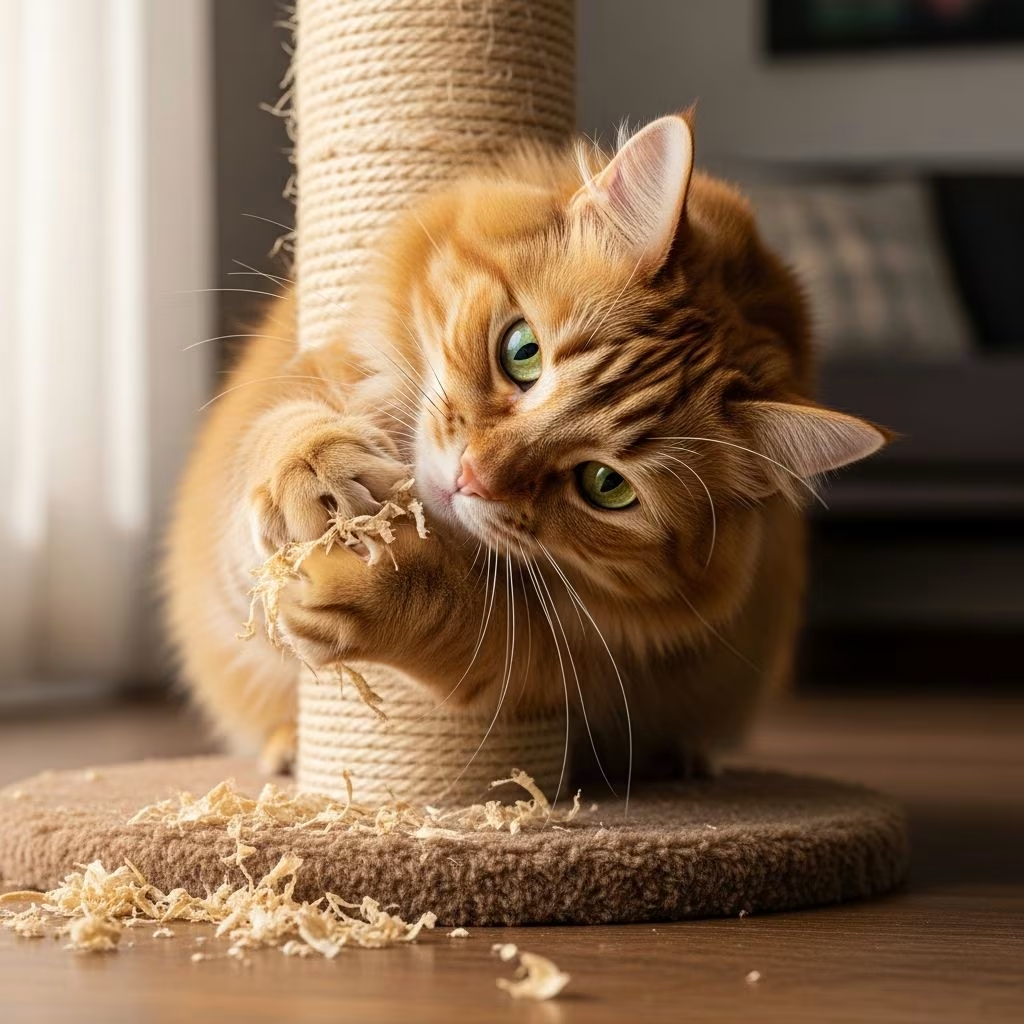
Cat scratching posts are indispensable tools for feline wellness, enabling natural claw maintenance, physical activity, and behavioral satisfaction while safeguarding household furnishings from damage.
The Natural Drive Behind Feline Scratching
Cats engage in scratching as an innate behavior rooted in their evolutionary needs. This action serves multiple purposes, from grooming to communication, making dedicated posts a cornerstone of responsible pet care.
- Claw Maintenance: Scratching removes the dead outer sheath of claws, revealing sharp, healthy tips underneath and preventing overgrowth that could lead to discomfort or infection.
- Territorial Signaling: Paw pads contain scent glands; scratching deposits pheromones and creates visual marks, declaring ownership and providing security in their environment.
- Physical Extension: The motion stretches muscles along the back, shoulders, legs, and paws, promoting flexibility and circulation essential for agile predators, even in domestic settings.
Indoor cats, lacking outdoor outlets, often redirect this instinct toward carpets, sofas, or walls, underscoring the value of appropriate alternatives.
Health Advantages for Your Cat
Beyond basic upkeep, scratching posts deliver profound physical and psychological gains, supporting longevity and vitality.
Boosting Physical Fitness
Regular use equates to a daily workout. Cats extend fully, engaging core muscles, hindquarters, and forelimbs, which combats sedentary lifestyles prevalent in 40% of overweight domestic cats. This activity aids weight control, enhances agility, and may even support digestive regularity through improved mobility.
Mental and Emotional Relief
Scratching triggers endorphin release, fostering relaxation and contentment. It acts as a stress valve, particularly in multi-pet homes or during environmental changes, curtailing anxiety-driven destruction. For multi-cat households, multiple posts minimize competition, promoting peaceful coexistence.
| Benefit | Physical Impact | Mental Impact |
|---|---|---|
| Claw Shedding | Prevents ingrown nails | Instinct fulfillment |
| Stretching | Muscle tone, flexibility | Endorphin boost |
| Territory Marking | – | Security, reduced stress |
| Exercise | Weight management | Energy release |
Varieties of Scratching Surfaces and Designs
Selecting the right post hinges on material, stability, and form to match your cat’s preferences and ensure durability.
- Sisal Rope: Rough texture mimics tree bark, favored for claw grip; withstands vigorous use without fraying quickly.
- Carpeted: Soft initial appeal but wears fast, shedding fibers that may ingest; better as secondary options.
- Cardboard: Affordable, disposable; ideal for gentle scratchers or flat-surface lovers, recyclable for eco-friendliness.
- Wood or Corrugated: Natural feel encourages prolonged engagement; sturdy for heavy use.
Designs range from freestanding towers (32+ inches tall for full stretches) to wall-mounted, horizontal mats, or condo-integrated units. Stability prevents toppling, building cat confidence.
Choosing the Perfect Scratching Post
Ideal posts prioritize height, base width, and replaceability. Tall models (at least cat’s nose-to-tail length standing) allow complete extension; wide bases resist wobbling. Consider multi-level for acrobatic cats or flat for ground-preferring ones. Assess household size: one post per cat plus extras in key areas reduces rivalry.
Test textures via samples; some cats prefer vertical vs. horizontal. Budget for quality—durable posts outlast cheap alternatives, saving money long-term.
Training Techniques for Effective Use
Introducing a post requires patience and positive reinforcement to redirect habits.
- Strategic Placement: Position near favored scratching spots, beds, or high-traffic zones for visibility and convenience.
- Attraction Methods: Sprinkle catnip, dangle toys from the post, or rub with feline pheromones to entice initial scratches.
- Positive Reinforcement: Praise, treat, or play when used; ignore or deter unwanted scratching gently with deterrents like sticky tape on furniture.
- Consistency: Trim nails regularly to reduce damage risk; provide variety to sustain interest.
For persistent issues, observe patterns—stress or boredom may underlie; enrich environment with perches or puzzles alongside posts.
Upkeep and Longevity Tips
Regular maintenance extends usability: vacuum loose fibers, sprinkle catnip monthly for allure, rotate positions to refresh novelty. Replace frayed surfaces promptly to avoid abandonment. Inspect base stability; reinforce as needed. Eco-conscious owners opt for recyclable cardboard or natural sisal.
Addressing Common Difficulties
Challenges like post avoidance or dual-surface use are common but solvable.
- Cat Ignores Post: Experiment with textures, heights; make irresistible with toys/catnip.
- Continued Furniture Scratching: Block access, use citrus sprays or covers temporarily while rewarding post use.
- Multi-Cat Conflicts: Distribute posts evenly, observe preferences for tailored solutions.
- Overly Aggressive Scratching: Check for stress; consult vets for health issues mimicking behavior.
FAQs on Cat Scratching Posts
Q: How tall should a scratching post be?
A: Minimum 32 inches to allow full-body stretch; taller for larger breeds.
Q: Are cardboard scratchers effective?
A: Yes, for many cats preferring flat surfaces; economical and disposable.
Q: Can scratching posts help overweight cats?
A: Absolutely; encourages activity aiding weight management.
Q: What if my cat still scratches the couch?
A: Use deterrents on furniture, reinforce post use with treats; persistence pays off.
Q: How often to replace a post?
A: When heavily frayed; 6-18 months typical, depending on cat vigor.
Integrating Posts into a Cat-Friendly Home
Combine posts with vertical spaces, hiding spots, and interactive toys for holistic enrichment. This setup not only curbs destruction but deepens owner-cat bonds, as visible use signals comfort and trust. Invest in quality for mutual benefits: healthier cats, pristine homes.
Scratching posts transcend mere furniture saviors; they honor feline nature, yielding fitter, happier companions.
References
- The Benefits of a Cat Scratching Post — Petmate. 2023. https://www.petmate.com/blogs/petmate-academy/the-benefits-of-a-cat-scratching-post
- Health Benefits of a Cat Scratching Post — Appletons (Chooks). 2025-04 (refreshed). https://chooks.co.nz/blogs/news/health-benefits-of-a-scratching-post
- 2025 Guide to Winning Your Cat’s Heart with a Scratching Post — The Ark Pet. 2025. https://thearkpet.com/blogs/all-you-want-to-know-of-cat/2025-guide-to-winning-your-cats-heart-with-a-scratching-post
- What are the benefits of using a cat scratching post? — Oven Baked Tradition. N/A. https://www.ovenbakedtradition.com/en/resources-and-tips/what-are-the-benefits-of-using-a-cat-scratching-post/
- Why Your Cat Needs a Good Cat Scratching Post — Purrfect Post. N/A. https://www.purrfectpost.com/why-your-cat-needs-a-good-cat-scratching-post/
- How to Stop Cats Destructive Scratching — Humane World. N/A. https://www.humaneworld.org/en/resources/how-stop-cats-destructive-scratching
- Teaching Your Cat to Use a Scratching Post — MSPCA-Angell. N/A. https://www.mspca.org/pet_resources/scratching-post/



