

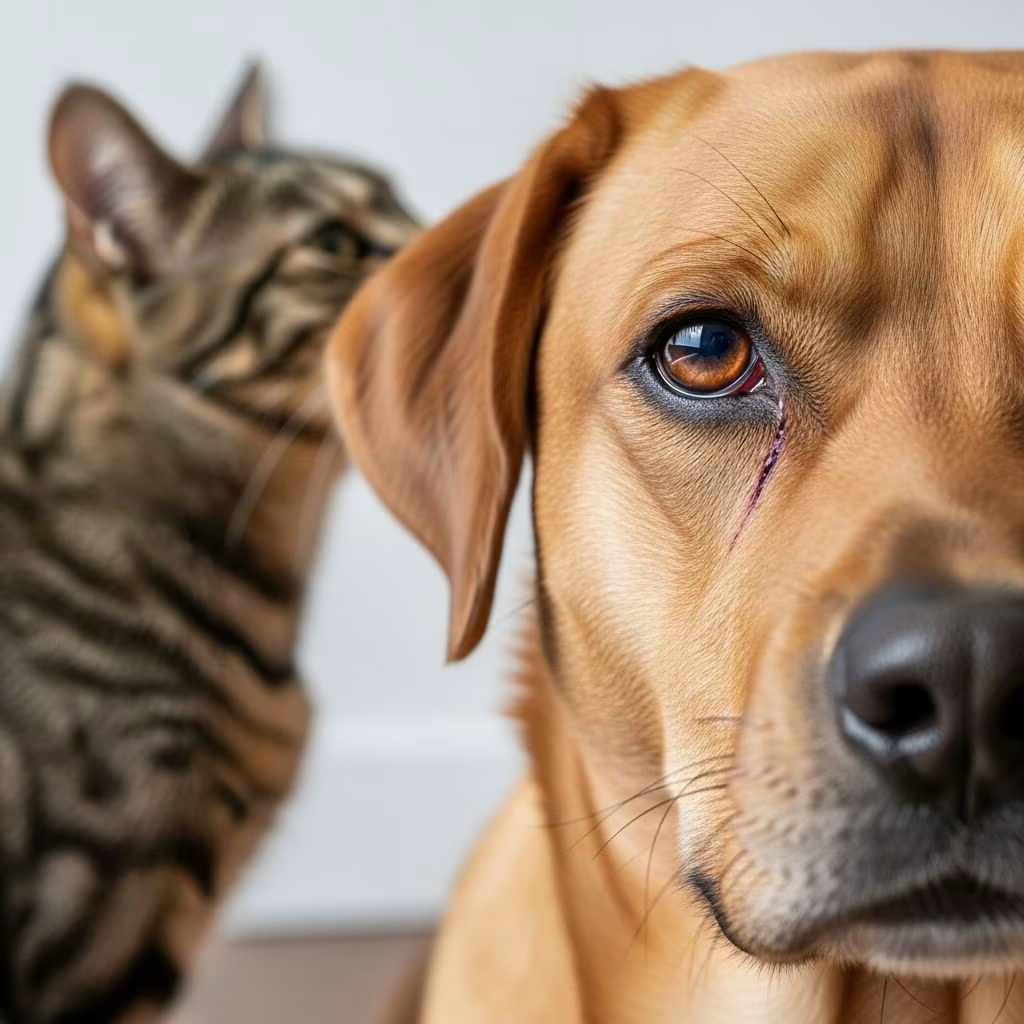
When a cat’s sharp claws make contact with a dog’s sensitive eye during play or a scuffle, it can result in a painful corneal abrasion. These injuries, often called scratches or ulcers, demand swift attention to avoid complications like infections or vision impairment. This guide explores recognition, response, professional care, recovery, and avoidance tactics for multi-pet households.
Understanding Corneal Injuries from Cat Claws
The cornea serves as the eye’s clear outer shield, vulnerable to punctures from pointed objects like feline nails. Such trauma disrupts the epithelial layer, exposing deeper tissues to bacteria and delaying natural repair. In dogs, these wounds frequently arise in homes with cats due to roughhousing or territorial spats. Unlike blunt impacts, claw marks create linear tears that stain vividly under diagnostic dyes, aiding precise evaluation.
Minor scratches might resolve with basic intervention, but deeper lacerations risk perforation if neglected. Factors like the dog’s breed—especially those with prominent eyes such as Pugs or Bulldogs—increase susceptibility, as their anatomy offers less protection. Early detection hinges on observing behavioral shifts and visual cues promptly.
Key Indicators of Eye Trauma in Dogs
Dogs in distress from ocular wounds display unmistakable signals. Owners should monitor for these common manifestations:
- Excessive tearing or watery discharge: The eye produces more fluid to flush irritants, often staining facial fur.
- Visible redness or bloodshot appearance: Inflamed blood vessels around the sclera signal irritation.
- Squinting or partial closure: Pain prompts protective narrowing to shield the damaged area.
- Frequent pawing or rubbing: Instinctive attempts to alleviate discomfort worsen the injury.
- Cloudy or bluish corneal haze: Swelling creates a milky overlay on the eye’s surface.
- Swollen lids or surrounding tissues: Edema accompanies inflammation.
- Reluctance to open the eye fully: Severe cases lead to holding it shut.
These symptoms can mimic other issues like dry eye syndrome, where tear deficiency causes similar ulceration. Differentiation requires professional assessment, as self-diagnosis risks mismanagement. If multiple signs appear suddenly post-interaction with a cat, treat it as an emergency.
Immediate Actions Before Veterinary Visit
Time is critical upon suspecting injury—delays invite bacterial invasion. First, isolate the dog from the cat to halt further trauma. Gently restrain if pawing persists, but avoid forceful manipulation.
Apply a cone collar (Elizabethan collar) immediately if available; this curbs self-inflicted damage without medications. Refrain from home remedies like human eye drops, saline rinses, or ointments—they may introduce contaminants or delay healing. Dim household lights to ease photophobia, and transport to a clinic within hours. Note the incident’s timeline and symptoms for the vet.
| Step | Action | Why It Matters |
|---|---|---|
| 1 | Separate pets | Prevents repeat scratches |
| 2 | Fit e-collar | Stops rubbing escalation |
| 3 | Avoid touching eye | Reduces contamination risk |
| 4 | Seek vet ASAP | Enables timely staining exam |
Veterinary Diagnostic Procedures
Clinics employ systematic checks for accuracy. Initial inspection uses magnification to spot defects, followed by topical anesthetic for painless probing. The cornerstone test applies fluorescein dye, which binds to eroded cells, glowing green under blue light to delineate depth and extent.
Sedation aids thorough exams in uncooperative patients. Additional tools like tonometry measure pressure, ruling out glaucoma, while Schirmer tear tests exclude sicca. Imaging or cultures confirm infections. This protocol ensures tailored therapy, distinguishing superficial scratches from perforating ulcers.
Treatment Options for Scratched Corneas
Most cases heal within 7-10 days under directed care. Superficial ulcers receive antibiotic drops (e.g., ofloxacin) multiple times daily to combat opportunists, paired with analgesics for comfort. Pain relief facilitates blinking, promoting epithelial regrowth.
Persistent wounds may warrant autologous serum drops, derived from the dog’s blood, rich in growth factors. EDTA solutions soften barriers to healing, while soft bandage lenses shield during regeneration. Refractory or indolent ulcers demand grid keratotomy—micro-abrasions stimulating repair—or surgical flaps grafting conjunctiva over the defect.
Monitoring spans rechecks every 3-5 days, adjusting based on dye uptake. Success rates exceed 90% for uncomplicated trauma with compliance.
Post-Treatment Recovery and Monitoring
Home care emphasizes medication adherence: instill drops precisely, massaging lids gently post-application. Maintain e-collar until cleared, cleaning discharge with vet-approved wipes. Watch for worsening—fever, purulent output, or lethargy signals complications needing re-evaluation.
Nutrition supports healing; omega-3 supplements bolster ocular health per vet advice. Restrict activity, avoiding dust or play with cats initially. Full vision restoration typically follows diligent follow-ups.
Potential Complications and Warning Signs
Untreated scratches evolve into melting ulcers via proteases, risking rupture. Infections yield green discharge; deeper breaches cause iris prolapse. Chronic cases scar, impairing sight. Brachycephalic breeds face elevated odds. Red flags include pupil distortion, vision loss hints like bumping objects, or unchanged symptoms post-48 hours—prompt reconsultation averts permanency.
Preventing Future Cat-Dog Eye Clashes
Proactive steps foster harmony. Trim cat claws biweekly, providing scratch posts. Supervise interactions, intervening in rough play. Train dogs with ‘leave it’ cues; enrich environments to curb boredom-sparked aggression.
Protective eyewear exists for high-risk dogs during outings, though impractical indoors. Regular vet eye screens catch predispositions early. Neutering reduces territorial fights. Fostering gradual introductions builds tolerance.
FAQs on Cat Scratches to Dog Eyes
What if my dog scratched its own eye after a cat incident?
Self-trauma compounds damage; e-collar is vital. Vets address both.
How long until a minor scratch heals?
Typically 5-7 days with drops; rechecks confirm.
Can over-the-counter drops help?
No—risk toxicity; only prescriptions ensure safety.
Is surgery common?
Rare, reserved for non-healing deep ulcers.
Does breed matter?
Yes, flat-faced dogs are prone due to exposure.
Armed with this knowledge, pet owners can safeguard canine companions effectively.
References
- I think my dog’s scratched his eye – what should I do? — Goddard Veterinary Group. Accessed 2026. https://www.goddardvetgroup.co.uk/blog/i-think-my-dogs-scratched-his-eye-what-should-i-do/
- Dog & Cat Eye Injury: Signs & Treatment — Washington Dog & Cat Hospital. 2022-12-15. https://www.washingtondogandcathospital.com/site/blog/2022/12/15/pet-eye-injury
- Cat Scratched Their Eye: What Now? — Acton Animal Hospital. Accessed 2026. https://actonanimalhospital.com/blog/cat-eye-scratch/
- Dog & Cat Eye Injury – When to Seek Help — Greensboro Carolina Vet. 2021-05-28. https://www.greensboro.carolinavet.com/site/greensboro-specialty-veterinary-blog/2021/05/28/dog-cat-eye-injury
- Eye Injuries in Pets: When to Seek Veterinary Care — Coastal Care Vets. 2024-06-18. https://www.coastalcarevets.ca/site/blog/2024/06/18/eye-injuries-pets
- Dog Eye Ulcer: Symptoms, Treatment, and Prevention — PetMD. Accessed 2026. https://www.petmd.com/dog/conditions/eyes/c_dg_Keratitis_Ulcerative



