
Cat Scratch Risks and Care Guide
Learn essential steps to handle cat scratches, spot infections early, and protect against cat scratch disease for safer pet interactions.
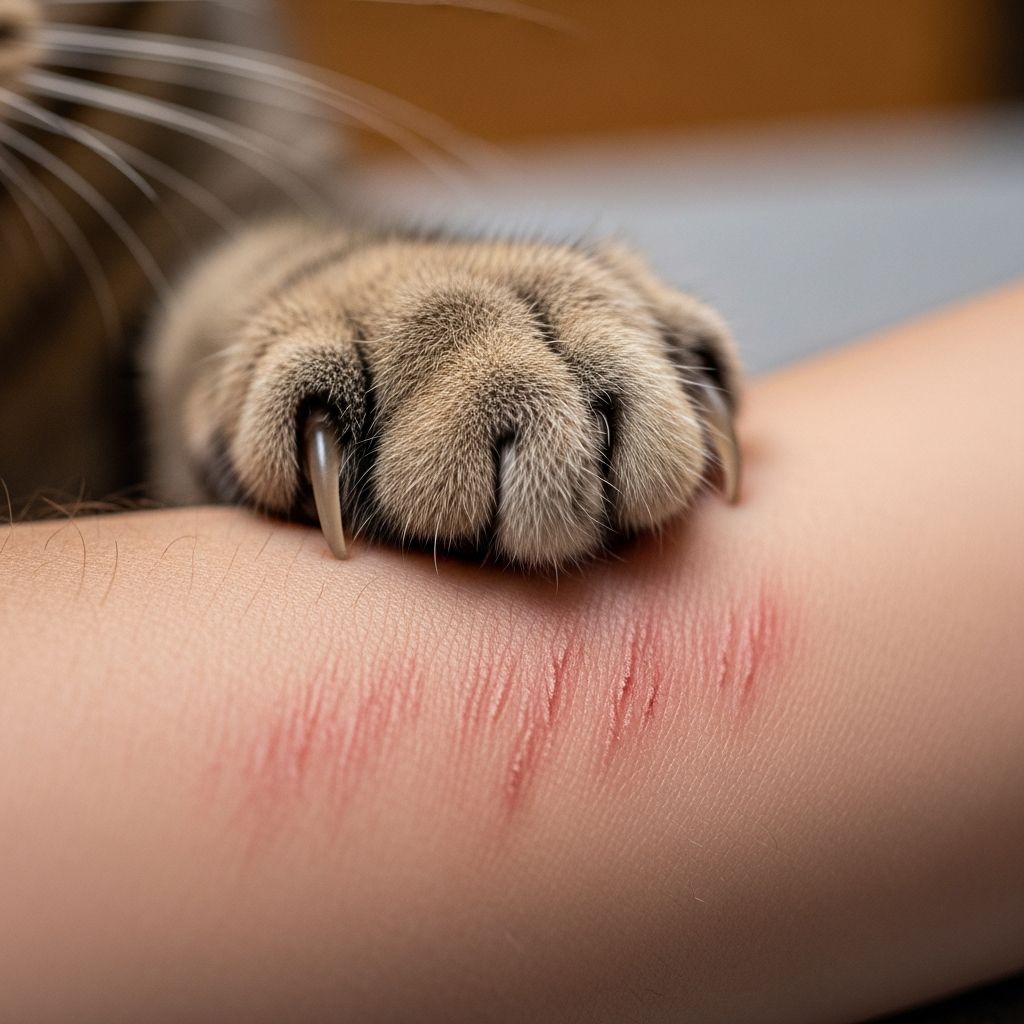
Cat scratches are common among pet owners, but they can lead to serious infections if not managed correctly. Prompt action minimizes risks like bacterial entry and conditions such as cat scratch disease.
Understanding the Dangers of Cat Scratches
Cats’ claws harbor bacteria from grooming and soil exposure, making even minor scratches potential infection sources. Hands and feet are especially vulnerable due to frequent use and exposure. Individuals with weakened immune systems face heightened risks of complications.
Beyond local infections, scratches transmit Bartonella henselae, causing cat scratch disease (CSD). This bacterial illness affects lymph nodes and systemic health.
Immediate Response to a Fresh Scratch
Act quickly to reduce infection chances. Follow these steps:
- Wash thoroughly: Rinse under cool running water for 5-10 minutes to flush debris and bacteria. Use mild soap, avoiding harsh antiseptics that irritate skin.
- Salt solution alternative: Dissolve 1 teaspoon salt in 2 cups warm water for gentle cleaning if soap unavailable.
- Stop bleeding: Apply firm pressure with sterile gauze until clotting occurs.
- Antibacterial application: Dab over-the-counter antibiotic ointment like bacitracin, then cover with a bandage.
- Eye injuries: Rush to emergency care if claws contact eyes, as corneal damage risks vision loss.
Prevent cat licking, as saliva introduces more bacteria, worsening outcomes.
Spotting Early Infection Indicators
Monitor daily for changes. Seek medical advice if these appear:
| Local Wound Signs | Systemic Symptoms |
|---|---|
| Persistent bleeding Expanding redness Worsening pain/swelling Pus drainage Warmth increase | Fever Headache Fatigue Appetite loss Joint aches |
Scratches on extremities often infect faster due to circulation and contamination. Scarring may result from deep wounds.
Cat Scratch Disease: A Deeper Look
CSD emerges 3-14 days post-scratch, starting with a red papule or pustule at the site. Lymphadenopathy follows, with nodes near the injury swelling painfully—armpit for hand scratches, groin for leg ones.
Duration varies: papules heal in 1-3 weeks, but nodes persist 1-4 months. Children under 5 and immunocompromised adults risk organ involvement like spleen or liver.
Progression Timeline
- Days 3-10: Skin bump or blister forms, sore but pus-free initially.
- Weeks 1-3: Nearest lymph nodes enlarge, tender to touch.
- Weeks 2+: Flu-like effects: low fever (<102°F), exhaustion, malaise.
Diagnosis involves history, exam, and tests like PCR for Bartonella.
Home Management Strategies
Most CSD cases resolve without antibiotics, but symptom relief aids recovery:
- Pain control: Ibuprofen or naproxen reduces fever, aches.
- Warm compresses: Apply to swollen nodes 15-20 minutes several times daily to ease discomfort.
- Rest and hydration: Support immune response with ample fluids and sleep.
- Node drainage: Doctor may aspirate severely swollen glands for relief.
Antibiotics like azithromycin prescribed for persistent or severe cases.
High-Risk Groups and Complications
Immunosuppressed individuals (HIV, chemotherapy patients) or young children need vigilant monitoring. Rare escalations include encephalitis, hepatitis, or endocarditis. Pregnant people should consult providers promptly.
Cat symptoms are subtle—fever, lethargy, node swelling in kittens or FIV+ cats—but most carriers show none.
Preventing Scratches and Transmission
Training tips:
- Trim claws regularly.
- Use soft claw caps.
- Provide scratching posts.
- Teach gentle play, avoiding hands as toys.
Flea control: Fleas spread Bartonella; monthly preventives essential. Keep cats indoors to limit exposure.
New kittens or strays warrant vet checks for bartonellosis.
When to Contact Healthcare Providers
Don’t delay if:
- Infection signs after 24-48 hours.
- Lymph node swelling exceeds 2 weeks.
- Fever persists >3 days.
- Systemic symptoms intensify.
Urgent care for deep punctures or facial scratches.
Frequently Asked Questions
Can my indoor cat give me cat scratch disease?
Yes, even indoor cats carry Bartonella asymptomatically, transmissible via scratches.
How long after a scratch do symptoms start?
Skin changes in 3-10 days; nodes in 1-3 weeks.
Is cat scratch disease contagious person-to-person?
No, it spreads only cat-to-human.
Do I need antibiotics for every scratch?
No, only if infection confirmed or high-risk.
Can cats be treated for Bartonella?
Yes, antibiotics help symptomatic cats, though many recover alone.
Long-Term Care and Scarring Prevention
Massage healed areas with vitamin E oil to minimize scars. Silicone sheets aid cosmetic recovery. Maintain tetanus shots, as scratches risk this too.
References
- Cat Scratch Disease — Hawaii Department of Health. 2023. https://health.hawaii.gov/docd/disease_listing/cat-scratch-disease/
- Cat Scratch Fever: Causes, Symptoms & Treatment — Cleveland Clinic. 2024-02-01. https://my.clevelandclinic.org/health/diseases/23537-cat-scratch-fever
- Cat Scratch Disease — University of Rochester Medical Center. 2023. https://www.urmc.rochester.edu/encyclopedia/content?ContentTypeID=85&ContentID=P00821
- Cat-scratch disease — MedlinePlus. 2024. https://medlineplus.gov/ency/article/001614.htm
- Cat Scratch Disease – including symptoms, treatment and prevention — SA Health. 2023. https://www.sahealth.sa.gov.au/wps/wcm/connect/public+content/sa+health+internet/conditions/infectious+diseases/cat+scratch+disease/cat-scratch+disease+-+including+symptoms+treatment+and+prevention
Similar Articles








Read full bio of Sneha Tete




