

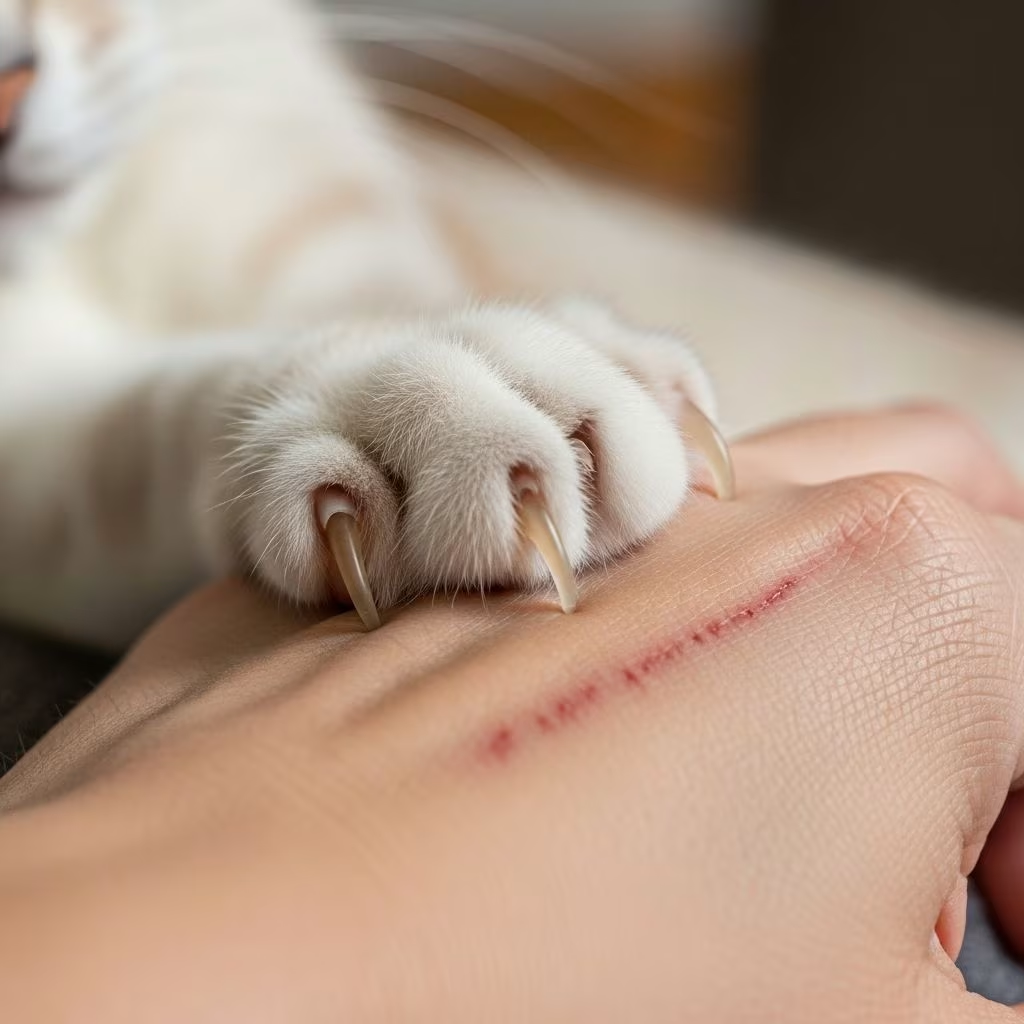
Cat scratch fever, medically termed cat scratch disease (CSD), represents a bacterial infection primarily triggered by Bartonella henselae. This condition typically arises from interactions with infected cats, particularly through scratches, bites, or licks on open skin wounds. While often mild and self-resolving, awareness of its transmission, manifestations, and management proves crucial for pet owners and vulnerable individuals alike.
The Bacterial Culprit Behind Cat Scratch Fever
At the heart of cat scratch fever lies Bartonella henselae, a gram-negative bacterium thriving in feline hosts. Cats acquire this pathogen mainly via flea bites, where infected fleas deposit bacteria-laden feces onto the cat’s fur or claws during grooming. Kittens and stray cats exhibit higher carrier rates, with estimates suggesting 30-40% prevalence in some populations.
Transmission to humans occurs when these contaminated claws break the skin or when saliva from an infected cat contacts an existing cut. Less commonly, petting an infested cat followed by eye-rubbing introduces the bacteria. Feral and community cats pose elevated risks due to unchecked flea exposure, underscoring the zoonotic nature of this ailment.
Recognizing Symptoms in Humans
Symptoms in affected individuals emerge 3-10 days post-exposure, beginning with a localized red papule, blister, or sore at the injury site, persisting 1-3 weeks or longer. Systemic signs follow, including low-grade fever below 102°F, fatigue, headache, and diminished appetite.
The hallmark feature involves lymphadenopathy—swollen, tender lymph nodes near the inoculation site. For arm scratches, axillary or epitrochlear nodes enlarge, appearing discolored (pink to purple based on skin tone) and potentially persisting 1-4 months. In 5-10% of cases, complications arise, such as visceral involvement in the liver, spleen, or eyes, particularly among immunocompromised patients or young children.
| Symptom | Typical Onset | Duration |
|---|---|---|
| Red bump or blister at site | Immediate | 1-3 weeks |
| Fever (low-grade) | 3-10 days | Days to weeks |
| Swollen lymph nodes | 1-3 weeks | 1-4 months |
| Fatigue/Headache | Variable | Weeks |
Signs of Infection in Cats
Most cats harboring B. henselae remain asymptomatic carriers, showing no overt illness despite bacteremia lasting months. When clinical signs appear, they predominantly affect kittens, feral cats, or those with compromised immunity like FeLV-positive individuals. Observable symptoms include lymphadenomegaly, lethargy, anorexia, and occasionally fever or ocular issues.
- Lymph node enlargement: Firm, painless swelling in regional nodes.
- Behavioral changes: Reduced activity and appetite loss.
- Flea-related signs: Itching, hair loss, or visible flea dirt.
Diagnosis in felines involves blood PCR for Bartonella DNA, serology, or lymph node aspirates, confirming infection in symptomatic cases.
Diagnosis: Confirming the Infection
Clinical diagnosis relies on exposure history plus characteristic papule and regional lymphadenopathy. Supporting tests include serology detecting IgM/IgG antibodies to B. henselae, PCR on tissue or blood, or lymph node biopsy revealing granulomatous inflammation. Imaging like ultrasound aids in assessing node involvement, while cultures prove challenging due to fastidious bacterial growth.
In ambiguous cases, especially with atypical presentations or immunocompromise, providers may pursue Bartonella-specific assays. Warthin-Starry silver stain on biopsies highlights the organism.
Treatment Approaches for Humans
The majority of immunocompetent patients recover spontaneously within 2-4 months without intervention. Symptomatic relief centers on NSAIDs like ibuprofen or naproxen for fever and pain, alongside warm compresses to swollen nodes.
Antibiotics such as azithromycin or doxycycline expedite resolution in severe, prolonged, or high-risk cases (e.g., HIV patients). Aspiration of fluctuant nodes provides relief if suppuration occurs. Hospitalization remains rare, reserved for systemic complications.
Managing Cat Scratch Fever in Felines
Asymptomatic cats require no therapy, given persistent carriage post-treatment. Symptomatic or high-risk felines benefit from 4-6 weeks of antibiotics: doxycycline, enrofloxacin, or rifampin. Concurrent flea eradication using topical/oral preventatives (e.g., selamectin) prevents reinfection.
Owners should administer full courses as prescribed, monitoring for resolution of lymphadenopathy over 1-2 months. Routine testing of healthy cats proves unnecessary.
Prevention Strategies for Pet Owners
Proactive measures significantly curb transmission risks:
- Flea control: Monthly preventatives for all cats, environmental cleaning.
- Indoor living: Keep cats inside to avoid strays and fleas.
- Hygiene practices: Trim nails, wash hands post-handling, cover wounds.
- Avoid high-risk cats: Limit contact with kittens, ferals, or flea-infested pets.
- Immunocompromised caution: Extra vigilance for vulnerable individuals.
Veterinary flea protocols and owner education form the cornerstone of prevention.
Special Considerations for At-Risk Groups
Children under 5, elderly, and immunocompromised persons (e.g., transplant recipients, HIV+) face heightened complication risks like encephalitis, osteomyelitis, or endocarditis. Prompt medical evaluation and empiric antibiotics prove advisable. Pregnant individuals should minimize stray cat contact.
Cats with retroviral diseases warrant screening if clinical signs emerge, as coinfections exacerbate outcomes.
FAQs on Cat Scratch Fever
Can cat scratch fever spread person-to-person?
No, transmission occurs solely from cats to humans via direct contact; human-human spread lacks documentation.
Should I get rid of my cat if diagnosed?
Absolutely not—most cats are asymptomatic carriers. Focus on flea control and hygiene instead.
How long is the incubation period?
Symptoms typically onset 3-10 days after scratch/bite, with nodes swelling 1-3 weeks later.
Is vaccination available?
No human or cat vaccines exist currently; prevention relies on behavioral and parasitic controls.
What if symptoms persist beyond months?
Seek reevaluation for complications or alternative diagnoses; antibiotics may be warranted.
Long-Term Outlook and Prognosis
Prognosis excels in healthy individuals, with full recovery standard. Rare chronic sequelae occur in <5% of cases, mainly immunocompromised subsets. Early recognition and supportive care optimize outcomes, emphasizing vigilant pet ownership.
References
- Cat-Scratch Fever: Causes, Symptoms, Diagnosis, & Treatment — WebMD. 2023. https://www.webmd.com/skin-problems-and-treatments/cat-scratch-fever
- Cat Scratch Fever in Cats: What Is It and How Is It Treated? — PetMD. 2024. https://www.petmd.com/cat/conditions/infectious-parasitic/cat-scratch-fever-cats-what-it-and-how-it-treated
- Cat Scratch Fever: Causes, Symptoms & Treatment — Cleveland Clinic. 2023. https://my.clevelandclinic.org/health/diseases/23537-cat-scratch-fever
- Cat Scratch Disease — DermNet NZ. 2024. https://dermnetnz.org/topics/catscratch-disease
- About Bartonella henselae — Centers for Disease Control and Prevention (CDC). 2024. https://www.cdc.gov/bartonella/about/about-bartonella-henselae.html
- Cat Scratch Fever — North Dakota Department of Health & Human Services. 2022. https://www.hhs.nd.gov/sites/www/files/documents/DOH%20Legacy/Cat_Scratch.pdf



