

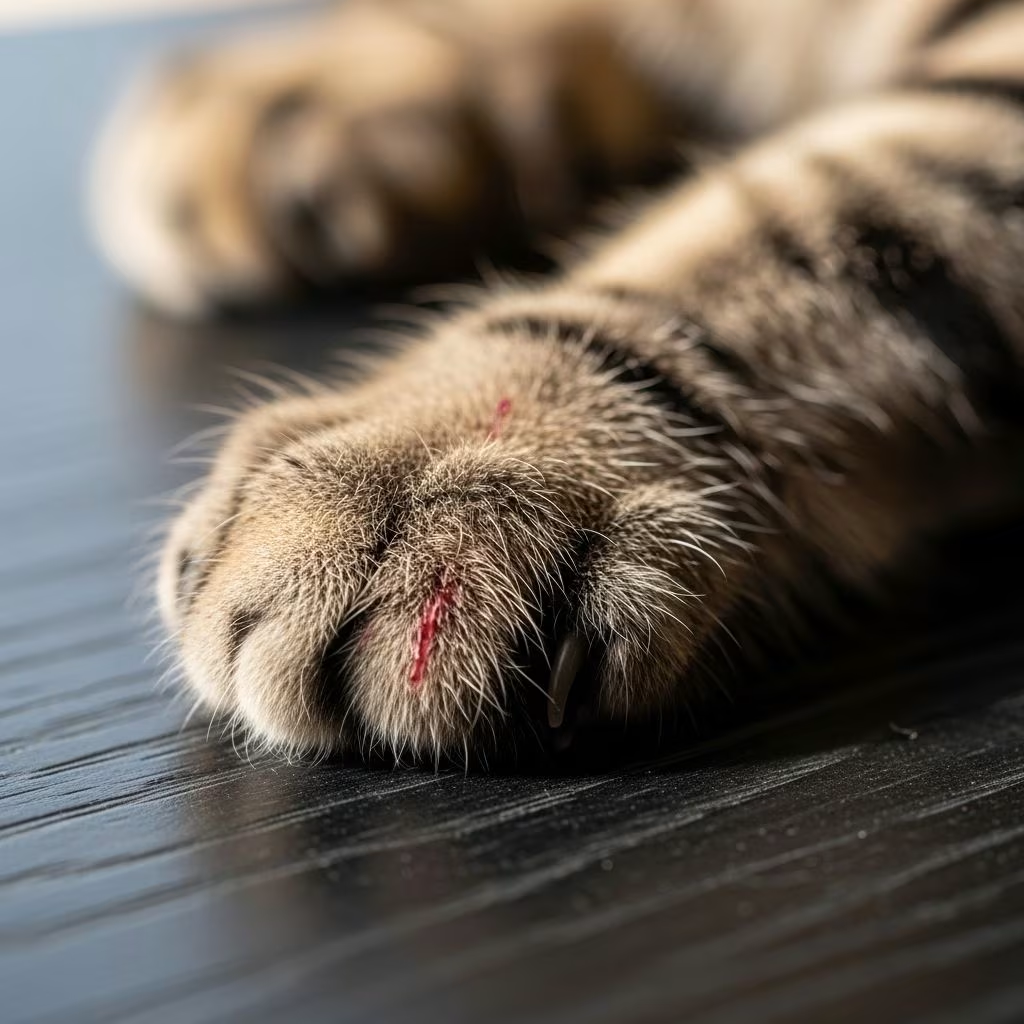
Understanding Cat Scratch Disease
Cat scratch disease, commonly known as cat scratch fever, is a bacterial infection that can develop after being scratched or bitten by an infected cat. This condition is caused by the bacterium Bartonella henselae, which is carried in cat saliva and under their claws. While the name suggests a serious ailment, most cases of cat scratch disease are relatively mild and resolve on their own without medical intervention. However, understanding the disease, its transmission, symptoms, and treatment options is essential for pet owners and anyone who regularly interacts with cats.
The infection typically results in swollen lymph nodes near the site of injury, a low-grade fever, and sometimes a rash. Most people recover completely within a few weeks to a few months, though some may experience prolonged symptoms. This guide provides comprehensive information about cat scratch disease to help you recognize, prevent, and manage the condition effectively.
What Causes Cat Scratch Disease?
Bartonella henselae is the primary bacterium responsible for cat scratch disease. Approximately 30-40% of cats and kittens carry this bacterium in their mouths, under their claws, or on their fur. Cats become infected when they scratch or bite at infected fleas, which carry the bacteria. When an infected cat licks itself, the bacterium spreads to its paws and fur. Additionally, flea feces, commonly called flea dirt, contain the bacteria and can be transmitted to humans who pet a cat with an active flea infestation.
Risk Factors for Transmission
Several factors increase the risk of contracting cat scratch disease:
– Young kittens less than one year of age are more likely to scratch and carry the bacteria- Stray and feral cats have higher infection rates than indoor pet cats- Cats not treated with flea prevention are more likely to be infected- Contact with infected cats through scratches, bites, or licking of open wounds- Rubbing eyes or touching the face after petting an infected cat
Recognizing the Symptoms
Symptoms of cat scratch disease typically appear between 3 to 10 days after a cat scratch or bite, though they can develop up to three weeks after exposure. The progression and severity of symptoms vary among individuals, with some people experiencing only mild discomfort while others may develop more pronounced symptoms.
Common Symptoms Include
– A bump (papule) or blister (pustule) at the site of injury, usually the first sign to appear- Swollen, tender lymph nodes that develop 1-3 weeks after exposure- Low-grade fever, though not everyone develops one- Fatigue and general tiredness- Headache- Decreased appetite- Joint pain- Body rash
Lymph Node Involvement
One of the hallmark characteristics of cat scratch disease is regional lymphadenopathy, meaning the swollen lymph nodes appear near the area where you were scratched or bitten. For instance, if an infected cat bites your arm, the lymph nodes in your armpit or near your elbow may swell and become tender. The skin over your swollen glands will likely appear discolored due to increased blood flow in the area, potentially appearing pink, red, ashen gray, purple, or dark brown depending on your skin tone. These swollen lymph nodes typically persist for one to four months but may gradually decrease in size over time.
Diagnosis of Cat Scratch Disease
Diagnosing cat scratch disease involves a combination of clinical evaluation and laboratory testing. Your healthcare provider will typically review your medical history, particularly any recent cat exposure, and perform a physical examination to check for characteristic signs such as the primary inoculation lesion and regional lymphadenopathy.
Diagnostic Methods
Healthcare professionals may use several diagnostic approaches:
– Clinical history and physical examination focusing on cat exposure and wound location- Serological tests to detect antibodies against Bartonella henselae– Polymerase chain reaction (PCR) testing for bacterial DNA detection- Lymph node biopsy in complicated cases- Blood cultures, though Bartonella henselae can be difficult to culture
Laboratory confirmation is particularly important when complications are suspected or when symptoms persist for extended periods.
Treatment Options for Cat Scratch Disease
Treatment for cat scratch disease varies depending on the severity of symptoms, the patient’s immune status, and whether complications have developed. Fortunately, most cases resolve without requiring antibiotic therapy.
Self-Limiting Cases
In mild cases of cat scratch disease, treatment may not be necessary at all. The infection typically resolves on its own within a few weeks to a few months as the immune system fights off the bacterium. Supportive care and symptom management are often all that is needed during this recovery period.
Symptomatic Relief
While your body fights the infection, several over-the-counter options can help ease your symptoms:
– Nonsteroidal anti-inflammatory drugs (NSAIDs) such as ibuprofen (Advil, Motrin, Nuprin) or naproxen (Aleve, Anaprox, Naprosyn)- Acetaminophen for pain and fever management- Warm compresses applied to swollen lymph nodes to reduce swelling and discomfort
Antibiotic Treatment
Antibiotic therapy is typically reserved for specific situations rather than routine cases. In mild to moderate presentations in immunocompetent patients, azithromycin may be indicated. Antibiotics are particularly important for:
– Immunocompromised individuals with symptoms- Cases with disseminated disease affecting multiple organs- Severe symptoms that persist beyond normal timeframes- Immunocompromised patients showing complications
Treatment typically consists of antibiotics administered for extended periods to ensure complete bacterial elimination.
Drainage Procedures
If your lymph nodes become extremely swollen and painful, your healthcare provider may be able to drain them with a syringe to provide relief and reduce discomfort. This procedure can significantly alleviate pain associated with severely enlarged nodes.
Complications and Risk Groups
While most people recover without complications, certain populations face increased risk of severe outcomes. Children younger than 5 years old and immunocompromised adults have an elevated risk for complications, which can include the infection reaching other organs such as the liver, spleen, heart valves, eyes, and central nervous system. People in these risk groups should take extra precautions to avoid exposure to infected cats.
Prevention Strategies
Preventing cat scratch disease involves several practical measures to reduce your exposure to Bartonella henselae:
– Keep pet cats indoors to reduce flea exposure and prevent the bacteria from spreading- Treat your cats regularly with flea and tick preventatives such as Bravecto or Revolution- Avoid contact with stray or feral cats, particularly kittens- Wash the area immediately with soap and water if a cat scratches or bites you- Avoid touching your face or rubbing your eyes after petting cats- Handle cats gently to minimize the risk of scratches- Keep your cat’s nails trimmed to reduce injury severity if scratches occur
When to Seek Medical Attention
Contact your healthcare provider if you experience any of the following:
– Swollen lymph nodes that persist for more than a few weeks- High fever that lasts beyond normal timeframes- Signs of infection at the scratch or bite site- Symptoms that worsen instead of improving- Development of symptoms in immunocompromised individuals- Constitutional symptoms such as severe fatigue or unexplained weight loss
Cat Scratch Disease in Cats
Cats infected with Bartonella henselae often show no visible symptoms and may appear completely healthy, making them silent carriers of the disease. However, infected cats can still transmit the bacterium to humans through scratches, bites, or by licking open wounds. Young kittens and cats with weakened immune systems are more likely to develop clinical signs, including lethargy, reduced appetite, and swollen lymph nodes.
In cats with healthy immune systems, treatment is typically unnecessary as they can fight off the infection independently. However, cats with weakened immune systems or severe symptoms may require antibiotic treatment consisting of doxycycline or enrofloxacin for four to six weeks. Treating fleas is equally important as antibiotic therapy, as cats can become reinfected if flea prevention is not maintained.
Frequently Asked Questions
Q: How long does cat scratch disease last?
A: Most cases of cat scratch disease resolve within a few weeks to a few months. Swollen lymph nodes may take one to four months to completely resolve, but symptoms typically improve significantly within the first few weeks.
Q: Can cat scratch disease be fatal?
A: Cat scratch disease is rarely fatal in immunocompetent individuals. However, immunocompromised patients and young children may experience serious complications if the infection disseminates to vital organs.
Q: Do all cats carry Bartonella henselae?
A: No, approximately 30-40% of cats carry the bacteria. Kittens and stray cats are more likely to be infected than indoor adult cats due to higher flea exposure.
Q: Can you get cat scratch disease from a cat bite?
A: Yes, cat bites can transmit the bacteria just as effectively as scratches. Additionally, if an infected cat licks an open wound you already have, transmission can occur through that route as well.
Q: Is antibiotic treatment always necessary?
A: No, most cases resolve without antibiotics. Antibiotic treatment is typically reserved for immunocompromised patients, severe cases, disseminated disease, or prolonged symptoms.
Q: How can I prevent my cat from getting infected?
A: Maintain regular flea and tick prevention with treatments like Bravecto or Revolution. Keep your cat indoors to reduce flea exposure, and ensure your cat stays up to date on all preventative care.
Q: What should I do immediately after a cat scratch?
A: Wash the area thoroughly with soap and water immediately after being scratched or bitten. Monitor the wound for signs of infection and contact your healthcare provider if you develop symptoms within a few weeks.
References
- Cat-Scratch Fever: Causes, Symptoms, Diagnosis, & Treatment — WebMD. 2024. https://www.webmd.com/skin-problems-and-treatments/cat-scratch-fever
- Cat Scratch Fever in Cats: What Is It and How Is It Treated? — PetMD. 2024. https://www.petmd.com/cat/conditions/infectious-parasitic/cat-scratch-fever-cats-what-it-and-how-it-treated
- Cat Scratch Disease — StatPearls, National Center for Biotechnology Information (NCBI). 2024. https://www.ncbi.nlm.nih.gov/books/NBK482139/
- Cat Scratch Fever: Causes, Symptoms & Treatment — Cleveland Clinic. 2024. https://my.clevelandclinic.org/health/diseases/23537-cat-scratch-fever
- Cat Scratch Disease — St. Louis Children’s Hospital. 2024. https://www.stlouischildrens.org/conditions-treatments/cat-scratch-disease
- About Bartonella henselae — Centers for Disease Control and Prevention (CDC). 2024. https://www.cdc.gov/bartonella/about/about-bartonella-henselae.html
- Cat-scratch disease: MedlinePlus Medical Encyclopedia — National Library of Medicine. 2024. https://medlineplus.gov/ency/article/001614.htm



