

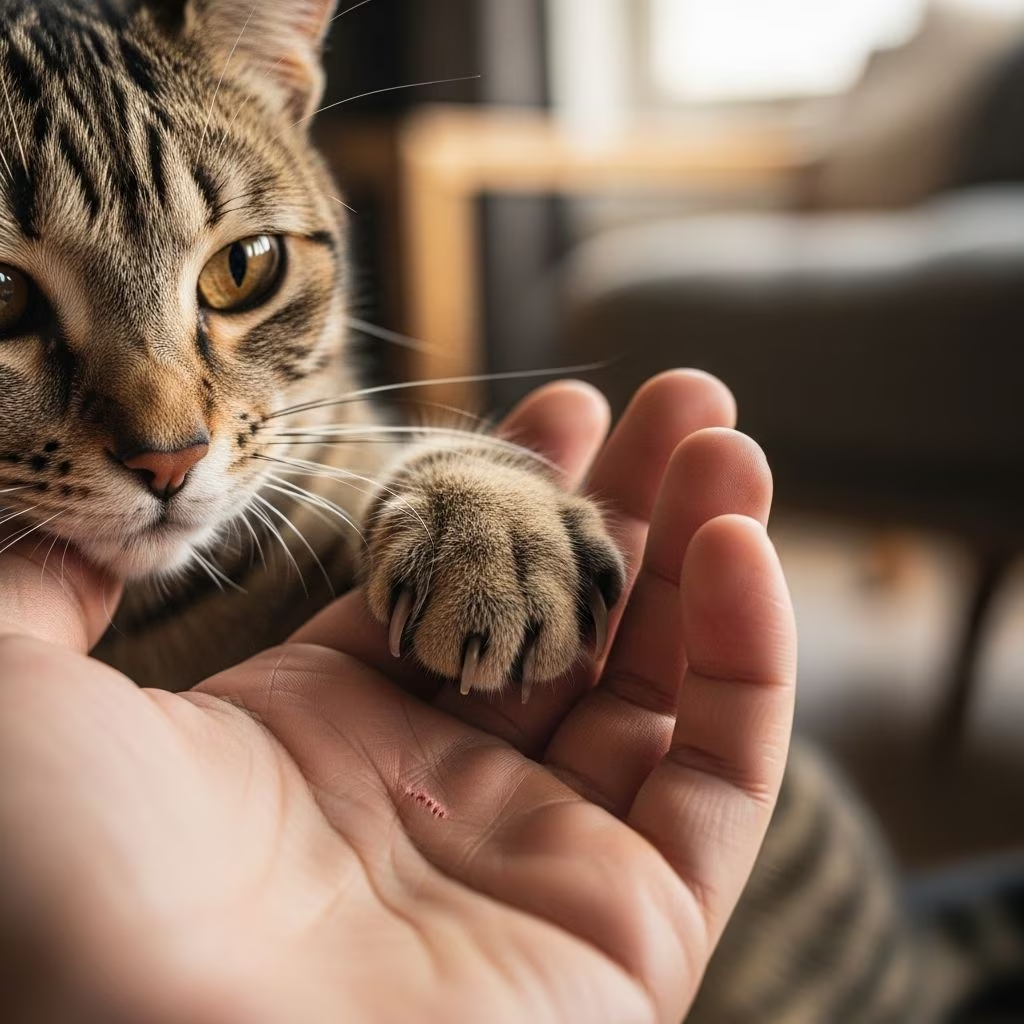
The Bacterial Infection Behind Your Cat’s Scratch
When a cat scratches or bites you, the wound may be more than just a minor injury. Cat scratch disease, medically referred to as cat scratch fever or cat scratch disease (CSD), represents a bacterial infection caused by Bartonella henselae. This pathogen presents an important health consideration for anyone who owns or regularly interacts with cats, particularly those with young children or compromised immune systems. Understanding this infection helps pet owners make informed decisions about cat handling and preventive care.
The disease gained widespread recognition over 50 years ago, though scientists required decades to identify Bartonella henselae as the causative agent. This microscopic bacterium exists invisibly in cat populations worldwide, transmitted through mechanisms that cat owners should understand and actively work to prevent.
How Cats Become Infected and Transmit the Bacteria
The transmission pathway of Bartonella henselae primarily involves fleas. Approximately 30-40% of cats and kittens naturally carry this bacterium in their mouths, beneath their claws, or within their fur. The infection cycle begins when fleas bite already-infected cats, allowing the bacteria to proliferate within the flea’s digestive system. When an infected flea defecates on a cat’s body, the bacterial material becomes embedded in the fur.
Cats then inadvertently spread the bacteria through their grooming behaviors. When they lick their fur to clean themselves, they transfer the bacteria from flea feces to their saliva and paws. This contamination happens particularly in cats lacking consistent flea prevention treatment. Additionally, when an infected cat scratches itself or another animal, the bacteria under the claws—sourced from infected flea droppings—can penetrate the skin of another feline, perpetuating the infection cycle.
- Fleas transmit bacteria when they bite infected cats
- Bacterial feces remain on cat fur during flea infestations
- Self-grooming spreads bacteria to saliva and claws
- Cat-to-cat transmission occurs through scratches and bites
- Blood transfusions can occasionally transmit infection between cats
Who Faces the Greatest Risk of Infection
While Bartonella henselae infection can affect anyone exposed to an infected cat, specific populations experience elevated risk. Children and teenagers demonstrate higher infection rates compared to healthy adults. This increased susceptibility stems from factors including more frequent and intensive cat contact, less careful wound management, and developing immune systems that may not yet recognize this particular pathogen.
Adults with compromised immune systems represent another vulnerable group. Individuals managing conditions such as HIV/AIDS, undergoing cancer treatment, or taking immunosuppressive medications for organ transplants face substantially increased risk. Additionally, adults over 65 years old often experience reduced immune function, making them more susceptible to infection and potential complications.
Children under five years old warrant special attention due to their risk for severe complications, as do immunocompromised individuals of any age. These populations should exercise heightened caution around cats, particularly stray or feral animals that typically carry higher infection rates due to untreated flea infestations.
Recognizing the Symptoms: Timeline and Manifestations
Cat scratch disease symptoms generally emerge between three to ten days following a scratch, bite, or exposure through a licked wound. However, the infection unfolds across a predictable progression that helps distinguish it from other conditions.
The initial manifestation often involves a localized response at the injury site. A red bump, sore, or blister typically develops where the cat’s claws or teeth penetrated the skin. This primary lesion usually persists for one to three weeks, though in some cases it may extend for several months. The appearance of this lesion serves as a crucial diagnostic clue linking the current illness to a recent feline interaction.
Within one to three weeks after infection, systemic symptoms develop as the bacteria spreads to regional lymph nodes. The most characteristic sign involves swollen, tender lymph nodes (lymphadenopathy) positioned near the infection site. If a cat bit the arm, swollen nodes may appear in the armpit or near the elbow. The overlying skin often becomes discolored due to increased blood flow, ranging from pink or red to purple or dark brown depending on natural skin tone. These swollen nodes typically remain enlarged for one to four months.
Additional systemic symptoms accompanying lymph node swelling may include:
- Low-grade fever, usually under 102°F
- Persistent fatigue and overall malaise
- Headaches ranging from mild to moderate intensity
- Diminished appetite and potential weight loss
- Muscle aches and general body discomfort
- Occasional sneezing and nasal congestion
- Eye inflammation or discharge in some cases
- Swollen or inflamed gums
- Digestive upset including diarrhea
Atypical Presentations and Serious Complications
While typical cat scratch disease follows a relatively benign course, atypical manifestations can develop, particularly in immunocompromised individuals. These less common presentations demand prompt medical recognition and intervention.
Immunocompromised patients face risks of serious complications including infection spreading to vital organs such as the liver, spleen, and heart valves. Neurological complications may arise, including neuroretinitis affecting the optic nerve and encephalopathy involving brain inflammation. Some patients develop hepatosplenic disease with liver and spleen involvement, while others experience osteomyelitis affecting bone tissue.
The risk of these complications underscores why immunocompromised individuals and families with immunocompromised members should take enhanced preventive precautions against cat scratch exposure.
Diagnosis and When to Seek Medical Attention
Medical professionals diagnose cat scratch disease through clinical presentation combined with patient history. A recent cat scratch or bite, followed by characteristic symptoms and lymph node enlargement in a logical anatomical distribution, typically confirms the diagnosis. Blood tests and specialized imaging may assist in confirming infection or ruling out alternative conditions.
Individuals should contact a healthcare provider if symptoms persist beyond a few weeks, if lymph nodes become exceptionally large or painful, or if systemic symptoms intensify. Immunocompromised individuals should seek evaluation even for typical symptoms, as complications develop more readily in this population.
Treatment Approaches for Human Infections
The majority of immunocompetent individuals require no specific treatment because their immune systems successfully eliminate the infection within weeks to months. The body’s natural defenses mount an effective response against Bartonella henselae, allowing spontaneous resolution.
For symptomatic management while the immune system works, over-the-counter nonsteroidal anti-inflammatory drugs such as ibuprofen or naproxen help reduce fever and discomfort. Applying heat to swollen lymph nodes may decrease swelling and associated tenderness.
Antibiotic treatment becomes appropriate when patients have compromised immunity, experience persistent symptoms, develop complications, or suffer from exceptionally large painful lymph nodes. When prescribed, azithromycin represents a commonly selected antibiotic option. Healthcare providers may drain unusually large lymph nodes with a syringe to relieve pain and pressure.
Managing Cat Scratch Disease in Felines
Most cats infected with Bartonella henselae display no symptoms despite harboring the bacterium. Cats with healthy immune systems typically fight the infection independently without requiring intervention. However, cats with weakened immune systems or those displaying clinical symptoms may benefit from antibiotic therapy.
When treatment becomes necessary, veterinarians typically prescribe a four to six week antibiotic course. Common choices include doxycycline or enrofloxacin. Importantly, even with successful antibiotic treatment, cats can become reinfected if fleas are not properly controlled.
Concurrent flea prevention represents an essential component of feline cat scratch disease management. Topical or oral flea preventatives such as Bravecto® or Revolution® should be administered according to veterinary recommendations. This preventive approach addresses both the underlying infection reservoir and prevents future flea-borne transmission.
Prevention Strategies for Cat Owners and Their Families
Effective prevention of cat scratch disease primarily centers on reducing flea exposure and minimizing contact with infected cats. Several practical strategies substantially decrease infection risk:
Flea Prevention for Domestic Cats
Regular flea treatment represents the single most effective prevention method. Keeping cats consistently on veterinarian-approved flea preventatives—whether topical, oral, or collar-based products—dramatically reduces bacterial transmission. Stray kittens and community cats face the highest infection rates precisely because they lack access to regular flea preventatives.
Environmental and Behavioral Measures
Keeping pet cats indoors eliminates their exposure to infected fleas and prevents contact with feral cat populations. For cats that go outdoors, creating enclosed spaces or using harnesses and leashes can limit uncontrolled feline interactions. Regular grooming of indoor cats using flea combs helps detect early infestations before they become established.
Wound Care and Handling Practices
Immediately washing any cat scratch or bite with soap and water reduces infection risk. Applying an antibiotic ointment and covering the wound protects against bacterial invasion. Avoiding contact with stray or feral cats, particularly those visibly infested with fleas, represents prudent caution.
Enhanced Precautions for At-Risk Populations
Families with very young children, elderly members, or immunocompromised individuals should implement heightened prevention measures. Supervising children’s interactions with cats, preventing hand-to-face contact before washing hands after cat contact, and considering whether cat ownership aligns with household health needs all warrant consideration.
Distinguishing Cat Scratch Disease from Other Conditions
Several other conditions can mimic cat scratch disease, potentially delaying accurate diagnosis. Understanding these distinctions helps ensure appropriate medical evaluation. Other bacterial infections from cat bites and scratches, fungal infections such as ringworm, and allergic reactions to cat scratches can produce superficially similar presentations. However, the characteristic progression of a localized lesion followed by regional lymph node enlargement one to three weeks later, combined with systemic symptoms, typically distinguishes cat scratch disease from alternative diagnoses.
Long-Term Outlook and Recovery
Most individuals with cat scratch disease enjoy excellent long-term outcomes. The infection spontaneously resolves within weeks to several months in immunocompetent patients without lasting effects. Even when treatment becomes necessary, antibiotics effectively eliminate the bacterium. Recovered individuals may develop immunity against reinfection, though repeat infections remain possible with subsequent exposures.
For immunocompromised patients who experience complications, more prolonged illness and recovery periods may occur. However, with appropriate medical management, even these patients typically achieve full recovery. The key to favorable outcomes involves prompt medical evaluation, appropriate treatment when indicated, and consistent flea prevention in pet cats.
Frequently Asked Questions About Cat Scratch Disease
Can cat scratch disease be fatal?
Cat scratch disease rarely proves fatal in otherwise healthy individuals. Severe complications requiring hospitalization or intensive treatment occur primarily in immunocompromised populations, though even these cases rarely result in death with appropriate medical management.
How long does cat scratch disease last?
In immunocompetent individuals, symptoms typically resolve within weeks to several months. Lymph node swelling may persist for one to four months, though most people feel substantially better within two to three weeks.
Is cat scratch disease contagious between humans?
Cat scratch disease is not contagious between people. Transmission occurs exclusively from infected cats to humans through scratches, bites, or licking of open wounds.
Should I remove my cat if someone in my household has a compromised immune system?
Cats do not necessarily need to be removed from households with immunocompromised members. Consistent flea prevention, proper wound care following any scratches, and behavioral precautions can substantially reduce infection risk while allowing continued cat ownership.
What should I do if my cat scratches me?
Immediately wash the wound with soap and water, apply an antibiotic ointment, and cover if necessary. Monitor the site for development of a lesion and watch for systemic symptoms over the following weeks. Seek medical attention if symptoms develop, particularly if you belong to a high-risk group.
References
- What Is Cat-Scratch Fever? — WebMD. 2024. https://www.webmd.com/skin-problems-and-treatments/cat-scratch-fever
- Cat Scratch Fever in Cats: What Is It and How Is It Treated? — PetMD. 2024. https://www.petmd.com/cat/conditions/infectious-parasitic/cat-scratch-fever-cats-what-it-and-how-it-treated
- Cat Scratch Fever: Symptoms and Treatment — ASPCA Pet Insurance. 2024. https://www.aspcapetinsurance.com/resources/cat-scratch-fever-symptoms-and-treatment/
- Cat Scratch Fever: Causes, Symptoms & Treatment — Cleveland Clinic. 2024. https://my.clevelandclinic.org/health/diseases/23537-cat-scratch-fever
- Cat Scratch Disease — American Academy of Family Physicians. 2011-01-15. https://www.aafp.org/pubs/afp/issues/2011/0115/p152.html
- Cat Scratch Disease – StatPearls — National Center for Biotechnology Information (NCBI). 2024. https://www.ncbi.nlm.nih.gov/books/NBK482139/
- About Bartonella henselae — Centers for Disease Control and Prevention (CDC). 2024. https://www.cdc.gov/bartonella/about/about-bartonella-henselae.html



