

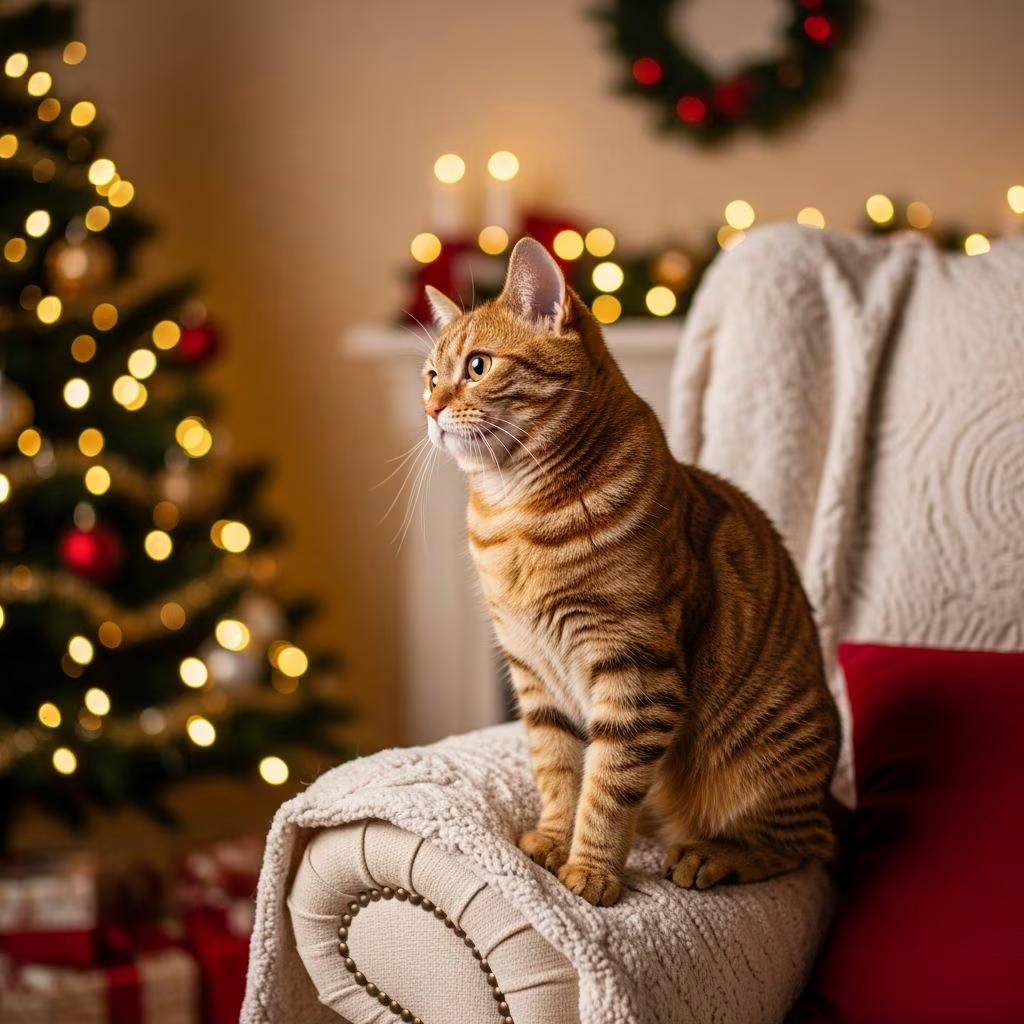
The holiday season brings joy, festive decorations, and cherished family traditions into our homes. However, for cat owners, this time of year also introduces numerous potential hazards to beloved feline companions. The combination of twinkling lights, dangling ornaments, fragrant plants, and unfamiliar decorative items creates an environment that can pose serious risks to curious cats. Understanding these dangers and implementing preventive measures ensures that your cat enjoys the holidays safely while you focus on creating lasting memories with your family.
Cats are naturally drawn to movement, shiny objects, and novel textures—all elements prominently featured in holiday decorating. Their instinctive hunting behaviors and playful nature can lead them to investigate decorations in ways that may result in injury or ingestion of harmful materials. By taking a proactive approach and modifying your holiday setup with feline safety in mind, you can create a festive environment that accommodates both your decorating desires and your cat’s wellbeing.
Establishing a Sturdy Foundation for Your Decorative Display
The structural stability of your holiday centerpiece forms the foundation of any cat-safe setup. Cats, particularly younger and more active felines, are attracted to trees as climbing structures and play areas. A wobbly or unstable tree presents multiple risks, from potential injury if it falls to the temptation it provides for climbing and exploration.
Invest in a tree stand that provides substantial weight and support. For real trees, look for stands with screw-in mechanisms that firmly grip the trunk, creating minimal movement. Artificial trees typically include purpose-built bases designed for stability. Beyond the base itself, consider anchoring your tree to a nearby wall or ceiling using fishing line, clear hooks, or sturdy wire. This additional security measure significantly reduces the possibility of toppling even if your cat attempts to climb or vigorously swat at branches.
Environmental placement matters equally. Position your tree away from furniture such as couches, tables, bookshelves, or window perches that your cat might use as launching pads for jumping into the tree. By creating distance between potential jumping points and your tree, you reduce accessibility and discourage climbing behavior.
Hydration Hazards: Managing Water and Absorption Systems
Real Christmas trees require consistent water supply to maintain freshness throughout the holiday season. However, tree water presents a dual concern for feline safety. First, the water itself may contain harmful additives including preservatives, fertilizers, or pesticides used in commercial tree farming. Some preservatives contain xylitol, an artificial sweetener that is toxic to cats and can cause serious health complications.
Second, stagnant water becomes an attractive drinking source for cats, particularly if fresh water is less accessible elsewhere in the home. Cats may drink from tree reservoirs despite having clean drinking water available, drawn by curiosity or the appeal of moving water.
Cover the water basin completely using a sturdy tree skirt that cannot be easily moved or penetrated. If your cat demonstrates particular persistence or problem-solving abilities, supplement the tree skirt with additional barriers. Cut heavy cardboard to fit over the water basin, then wrap it with holiday paper or fabric and secure it with tape. This creates an impenetrable barrier while maintaining the aesthetic appeal of your display.
For those concerned about existing tree water, consider using only filtered or treated water free from chemical additives. Some cat owners even use pet-safe solutions or plain water supplemented with natural preservatives like lemon juice.
Decorative Elements: Selecting Cat-Compatible Ornaments and Embellishments
Traditional holiday decorations represent some of the most significant risks to cats. Tinsel, while creating a beautiful shimmering effect, poses extreme danger to feline health. This thin, ribbon-like material is extremely tempting to cats who will bat at it, chew on it, and potentially ingest it. Tinsel cannot be safely digested and can create intestinal blockages requiring emergency surgical intervention.
Instead of tinsel, explore alternative embellishments that provide visual interest without posing hazards. Paper garlands, fabric garlands, felt ornaments, and even homemade decorations from cat-safe materials add festive flair without risk. Christmas cards displayed throughout the tree create a personalized touch while maintaining safety standards.
When selecting ornaments, prioritize shatterproof options. Plastic ornaments, wooden ornaments, and plush decorations cannot cause cuts or create choking hazards if knocked from branches. Glass ornaments, while traditional and beautiful, present serious injury risks if broken. If you choose to include glass ornaments, reserve them for the uppermost branches well beyond your cat’s reach.
Secure all ornaments using robust attachment methods rather than simple wire hooks. Floral wire, plastic zip ties, craft wire, or specialty ornament hooks prevent ornaments from being easily removed. Wrap attachment materials around branches several times, creating strong connections that resist your cat’s attempts to dislodge decorations. Additionally, position ornaments toward the interior of branches where they are more protected and less accessible to curious paws reaching from outside the tree.
Strategic Decoration Placement and Lower-Branch Considerations
The distribution of decorations throughout your tree influences how attractive the overall display becomes to feline explorers. While fully decorated trees from top to bottom present an aesthetically cohesive appearance, concentrating ornaments and embellishments in the upper two-thirds of the tree significantly enhances safety.
By keeping the lower third of your tree relatively bare, you eliminate temptations at the level where cats naturally explore and interact. Without dangling ornaments to bat at or ribbons to grab, cats become less motivated to approach or climb the tree base. This strategic approach reduces opportunities for interaction while maintaining a beautiful presentation in the areas visible above cat height.
If you prefer to decorate the entire tree, reserve the lower sections exclusively for cat-safe alternatives. Plush ornaments cannot break if dislodged and won’t create choking hazards if ingested. Fabric-based decorations, paper ornaments, and wooden pieces all represent safer choices for lower placement where feline access is greatest.
Electrical Safety: Managing Lights and Power Cords
Holiday lights create magical ambiance but introduce electrical hazards, particularly for cats who chew on cords or potentially contact live wires. Tree lights require protective measures to safely coexist with curious felines.
Battery-operated LED lights eliminate electrical hazards entirely while still providing the festive glow you desire. These lights can be placed anywhere on the tree without concern for electrocution risk. If you prefer traditional plug-in lights, use pet-safe cord protectors—specialized tubing that covers exposed wires and makes them unattractive to chew. Wrap light strings tightly around tree branches to minimize dangling cords that might tempt batting or chewing behavior.
The golden rule for electrical safety involves unplugging your tree whenever your cat is unsupervised. Even with protective measures in place, removing electrical current eliminates the risk of shock or electrocution. Many cat owners establish a routine of unplugging their tree when leaving home or at night, restricting electrical operation to periods when they can monitor their pet’s behavior.
Examine all cords for damage or fraying before connecting them. Compromised insulation makes cords more dangerous if chewed. Position battery packs and electrical connections where cats cannot easily access them, ideally inside the tree structure or behind barriers.
Creating Physical Boundaries and Access Restrictions
For cats who demonstrate particular difficulty respecting boundaries or who show intense fascination with your holiday display, physical barriers provide straightforward protection. Pet gates, playpens, or decorative fencing can surround your tree, creating a designated zone that restricts feline access. This approach proves especially effective when combined with supervised access—allowing your cat to be near the tree only when you are present and attentive.
An alternative strategy involves isolating the tree in a room that can be closed off when unsupervised. A spare bedroom or office space can house your holiday centerpiece safely, preventing unsupervised access while still allowing the rest of your home to enjoy festive decorating in other forms. This solution proves particularly valuable for multi-cat households or homes with especially persistent explorers.
Some cat owners successfully condition their pets to respect the tree through positive reinforcement training. Rather than punishing unwanted behavior, reward your cat with treats and praise when they maintain distance from decorations. This approach builds positive associations with appropriate boundaries and avoids the stress and confusion that punishment can create.
Deterrents and Environmental Modifications
Commercial deterrent sprays designed specifically for cats can be applied around the tree base to discourage investigation. These products contain scents that cats find unpleasant—often citrus or bitter compounds—that naturally repel feline attention. Citrus-scented sprays or strategically placed lemon and orange peels on waterproof dishes beneath the tree skirt provide natural alternatives to commercial products. Many cats instinctively avoid citrus fragrances, making this an elegant and non-toxic solution.
Ensure any deterrent you select is explicitly labeled as safe for cats. Some products contain ingredients that could cause adverse reactions or respiratory irritation in felines. Natural deterrents like citrus scents or commercial products specifically formulated for cats provide safety assurance.
Redirect your cat’s energy toward designated play opportunities away from the tree. Increased playtime, new toys, and engaging activities reduce the motivation to investigate holiday decorations. Cats given abundant entertainment options become less fixated on prohibited activities. Interactive play sessions, puzzle feeders, and enrichment activities keep your cat mentally stimulated and physically tired—conditions that naturally reduce problematic behavior.
Plant and Botanical Considerations
Beyond the tree itself, holiday plants and decorative botanicals pose toxicity risks to cats. Poinsettias, holly, mistletoe, and lilies can cause adverse health effects ranging from mild gastrointestinal upset to serious organ damage depending on quantity consumed and plant type. Secure or remove these plants from areas accessible to your cat.
Real Christmas trees shed needles, particularly as they dry out over the holiday season. Scattered needles can be ingested during grooming or play, potentially causing gastrointestinal irritation or blockages. Regular vacuuming and sweeping reduces needle accumulation. If your cat frequently grooms the tree area, consider switching to a “non-drop” tree variety such as Nordmann Fir, which naturally maintains needles more effectively.
Holiday Food and Gift Hazards
Beyond tree-specific concerns, the holiday season introduces numerous other risks in cat-inhabited homes. Chocolate, particularly dark varieties, can be toxic to cats. Certain foods like xylitol-containing items, grapes, and onions pose serious health hazards. Holiday candies, baked goods, and rich foods can cause digestive upset even if not directly toxic.
Store holiday food items securely in cabinets or refrigeration, keeping them completely inaccessible to curious cats. Particularly tempting items like roasted turkey, ham, and other meats should be monitored carefully—while small amounts of plain, unseasoned poultry may not be harmful, rich, fatty holiday preparations can cause pancreatitis or other digestive complications.
Holiday gifts wrapped with ribbon, string, or tinsel-based bows present choking and ingestion hazards. Keep wrapped presents stored away until the actual opening event. Ribbons and decorative bows should be removed and discarded immediately after gifts are opened. Never leave cats unsupervised with wrapped or decorated presents.
Frequently Asked Questions About Holiday Cat Safety
What should I do if my cat ingests tinsel or tree needles?
Contact your veterinarian immediately. Ingested tinsel or needles can create intestinal blockages requiring emergency intervention. Describe what was ingested, when you believe ingestion occurred, and any symptoms your cat displays such as vomiting, reduced appetite, or lethargy. Do not wait for symptoms to develop—veterinary attention should be sought promptly.
Are artificial Christmas trees safer than real trees for cats?
Both types present similar risks with minor differences. Artificial trees eliminate concerns about needle shedding and tree water additives but still pose climbing, ornament, and light-related hazards. Real trees present needle and water-related concerns but feel more familiar in texture. The safety of either option depends primarily on how securely you secure the tree and decorations rather than tree type.
Can I use traditional tinsel or garland safely around cats?
No. Tinsel and ribbon-based garlands should be completely avoided in homes with cats. These materials pose extreme choking and blockage risks. The shimmering, dangling nature of tinsel makes it particularly tempting to cats while being extremely dangerous if ingested. Substitute with paper-based alternatives, fabric garlands, or other non-toxic embellishments.
How can I tell if my cat has consumed something dangerous from the tree?
Watch for symptoms including changes in appetite, vomiting, retching, constipation, diarrhea, lethargy, or abdominal pain. Behavioral changes such as reduced activity or unusual positioning (like stretching frequently) can also indicate digestive upset. If you suspect your cat has ingested decorations, holiday food, or plant material, contact your veterinarian without delay.
Should I keep my cat out of the room with the Christmas tree entirely?
This depends on your individual cat and your decoration setup. If despite all precautions your cat persistently attempts to climb the tree, reaches ornaments, or displays behavior you cannot safely manage, restricting access makes sense. You can still enjoy holiday decorating in other rooms while keeping your cat safe by preventing access to the main tree.
Creating Your Safest Holiday Environment
Celebrating the holidays while keeping your cat safe requires thoughtful planning and proactive measures. By securing your tree, selecting cat-safe decorations, managing electrical hazards, and restricting access when necessary, you create an environment where festive joy and feline safety coexist peacefully.
The key to success lies in understanding your individual cat’s personality and behavior patterns. Some cats show little interest in holiday decorations and require minimal intervention, while others cannot resist investigating every ornament and potential hazard. Tailor your safety approach to your specific cat’s tendencies, combining physical barriers, environmental modifications, and behavioral management as needed.
Remember that the goal is not eliminating all holiday decoration but rather decorating thoughtfully with your cat’s wellbeing in mind. Thousands of households successfully maintain beautiful holiday displays alongside happy, healthy cats. With preparation and attention, you can enjoy this special season fully, secure in the knowledge that your beloved pet is protected from preventable hazards.
References
- Are Christmas Trees Toxic to Cats? — PetMD. Accessed January 29, 2026. https://www.petmd.com/cat/are-christmas-trees-toxic-cats
- How to Cat Proof Your Christmas Tree — Purina US. Accessed January 29, 2026. https://www.purina.com/articles/cat/behavior/understanding-cats/christmas-safety-for-cats
- Have a Cat? Here’s How to Cat Proof Your Christmas Tree — Boston Veterinary. Accessed January 29, 2026. https://www.bostonveterinary.com/web-tails/cat-proof-christmas-trees/
- How to Cat Proof a Christmas Tree — Broad Ripple Animal Clinic. Accessed January 29, 2026. https://bracpet.com/blog/cat-proof-a-christmas-tree/
- Keep Your Cat Safe at Christmas — Blue Cross. Accessed January 29, 2026. https://www.bluecross.org.uk/advice/cat/health-and-injuries/keeping-your-cat-safe-at-christmas



