

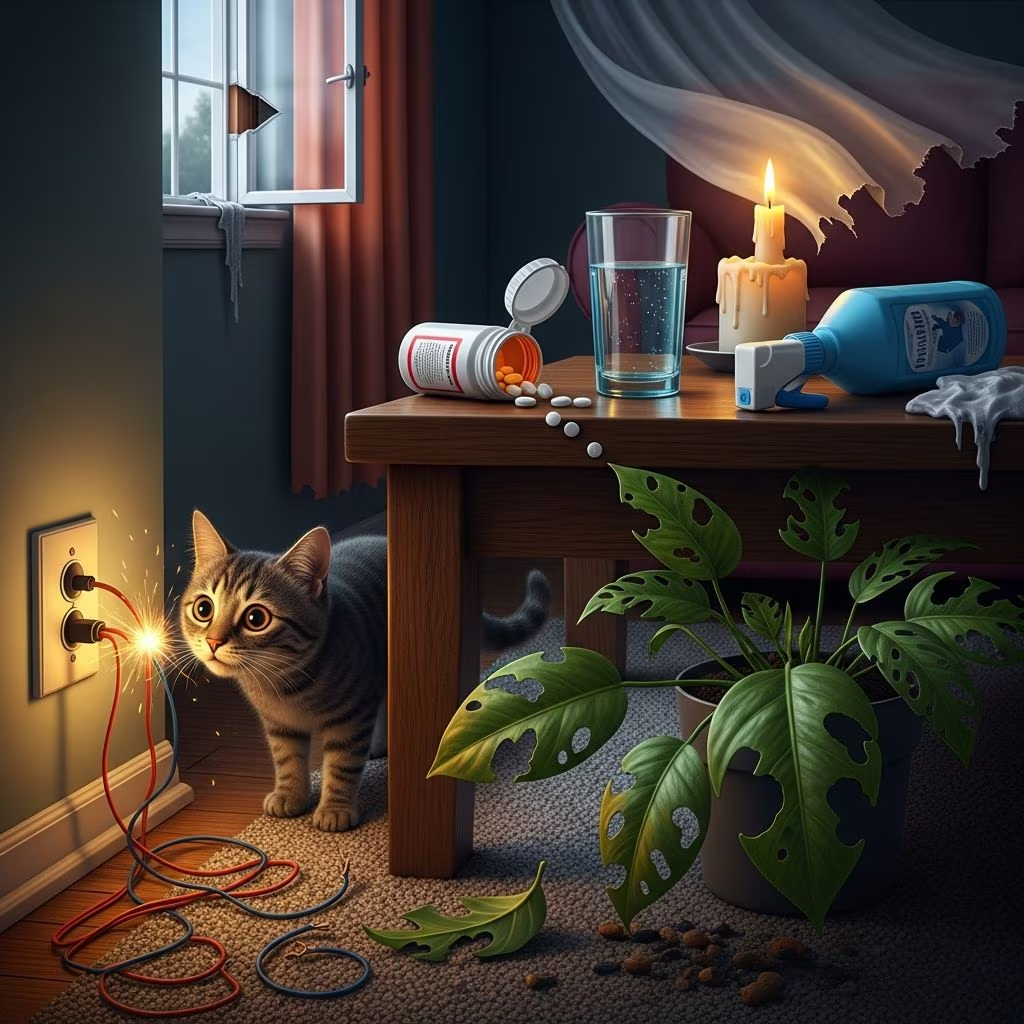
Cats explore their world with boundless curiosity, often turning ordinary household items into potential threats. Many common objects and substances can cause serious injury or death if ingested, inhaled, or contacted. This guide details key risks and offers actionable strategies to create a secure environment for your pet.
Electrical and Mechanical Perils in Daily Living
Power sources and moving machinery pose immediate dangers due to cats’ playful instincts. Chewing on exposed wires risks electrocution, while unattended appliances can trap or harm agile climbers.
- Cords and Cables: Kittens and adults alike chew electrical cords, leading to shocks or burns. Secure them with covers or tape them out of reach.
- Blind and Curtain Strings: Loops can strangle curious paws or necks during play. Knot excess lengths or use safety clips.
- Laundry Machines: Cats nap inside warm, dark dryers. Always check before starting cycles to avoid fatal injuries.
- Office Gear: Running shredders or printers invite paw insertions, causing amputations. Unplug when idle.
Proactive management prevents tragedies; regular inspections reveal hidden vulnerabilities.
Chemical Threats from Cleaners and Pest Controls
Household maintenance products often contain corrosive or poisonous compounds. Cats groom after contact, amplifying exposure through ingestion.
| Hazard | Risks | Prevention |
|---|---|---|
| Cleaning Agents | Burns, vomiting, organ failure | Store locked, ventilate, wipe residues |
| Laundry Detergents | Ulcers, breathing issues | Close cabinets, use pet-safe alternatives |
| Rodenticides | Bleeding, seizures | Avoid, opt for snap traps |
| Insecticides | Tremors, coma | Pet-specific products only |
Never use dog flea treatments on cats; permethrins cause severe toxicity. Immediate vet contact is crucial if exposure suspected.
Toxic Flora: Plants That Poison Felines
Indoor greenery delights owners but endangers cats. Even small nibbles trigger kidney damage or gastrointestinal distress.
- Lilies: All parts, including vase water, cause acute renal failure. Top caller to poison helplines.
- Philodendrons and Poinsettias: Oral irritation, swelling.
- Azaleas and Rhododendrons: Cardiac arrhythmias.
Relocate or remove suspects. The ASPCA lists over 400 toxic varieties; verify your collection against reliable databases.
Human Foods: Tempting but Lethal Snacks
Begging eyes lead to stolen bites. Cats metabolize differently, turning treats into toxins.
- Chocolate and Caffeine: Theobromine stimulates heart, induces seizures.
- Onions, Garlic, Chives: Anemia from red blood cell destruction.
- Xylitol: In gums and candies, drops blood sugar fatally.
- Grapes, Raisins: Kidney injury.
Counter surf prevention: elevate food, train ‘leave it’ commands.
Small Objects: Choking and Obstruction Risks
Tiny items spark hunting instincts, resulting in swallowed hazards that block intestines.
- Threads, Ribbons, Hair Ties: Linear foreign bodies saw through bowels.
- Rubber Bands, Clips: Choking or perforation.
- Needles, Bones: Internal punctures.
Sweep floors daily; store crafts securely. Symptoms like vomiting warrant x-rays.
Thermal and Physical Dangers Around the House
Heat sources singe fur; heights invite falls.
- Hot Stovetops, Candles: Burns to paws, whiskers.
- Open Windows/Balconies: High-rise syndrome from leaps. Install screens.
- Tippy Furniture: TVs topple on jumpers. Anchor securely.
Discourage counter access with deterrents like sticky mats.
Outdoor and Garage Toxins
Venturing beyond doors exposes antifreeze puddles and de-icers.
- Antifreeze: Sweet lure leads to kidney shutdown.
- De-icing Salts: Paw irritation, GI upset. Rinse after walks.
- Pesticides: Lawn treatments linger.
Indoor-only policy minimizes these, but supervise escapes.
Recognizing Exposure: Symptoms and Urgent Actions
Subtle signs delay care: lethargy, drooling, tremors, blood in stool. Contact vet or helpline (e.g., ASPCA Poison Control) immediately. Provide product details for antidotes.
Stock a pet first-aid kit: activated charcoal, hydrogen peroxide (for induced vomiting per vet), thermometer.
Comprehensive Cat-Proofing Checklist
- Inspect cords weekly; use bitter sprays.
- Lock cabinets; elevate chemicals.
- Remove toxic plants; research newcomers.
- Secure windows, anchor furniture.
- Educate household on no-sharing food.
- Train recall; provide safe toys.
Frequently Asked Questions
What if my cat chews a cord?
Unplug immediately; check for burns, drooling, or collapse. Rush to vet for burns or heart issues.
Are essential oils safe around cats?
No; many like tea tree cause respiratory failure via diffusion. Avoid diffusers.
How to prevent plant chewing?
Offer cat grass; foil-wrap pots; place out of reach.
Is chocolate safe in small amounts?
No quantity is safe; darker varieties worse.
What about holiday decorations?
Tinsel strands mimic strings; ingestions fatal. Opt for ornaments.
Creating a hazard-free zone demands vigilance but rewards peace of mind. Consult vets for tailored advice.
References
- Is your house safe for a cat? – Banfield Pet Hospital — Banfield. Accessed 2026. https://www.banfield.com/Wellness-at-banfield/kitten-hub/kitten-cat-proof-your-house
- Household Hazards – Toxic Hazards for Cats — VCA Animal Hospitals. Accessed 2026. https://vcahospitals.com/know-your-pet/household-hazards-toxic-hazards-for-cats
- 10 Common Household Hazards for Cats — PetMD. Accessed 2026. https://www.petmd.com/cat/slideshows/10-common-household-hazards-cats
- Household hazards — American Veterinary Medical Association. Accessed 2026. https://www.avma.org/resources-tools/pet-owners/petcare/household-hazards
- Common Household and Environmental Toxins for Cats — Hershey Animal Emergency. Accessed 2026. https://hersheyanimaler.com/blog/household-and-environmental-toxins-for-cats/



