

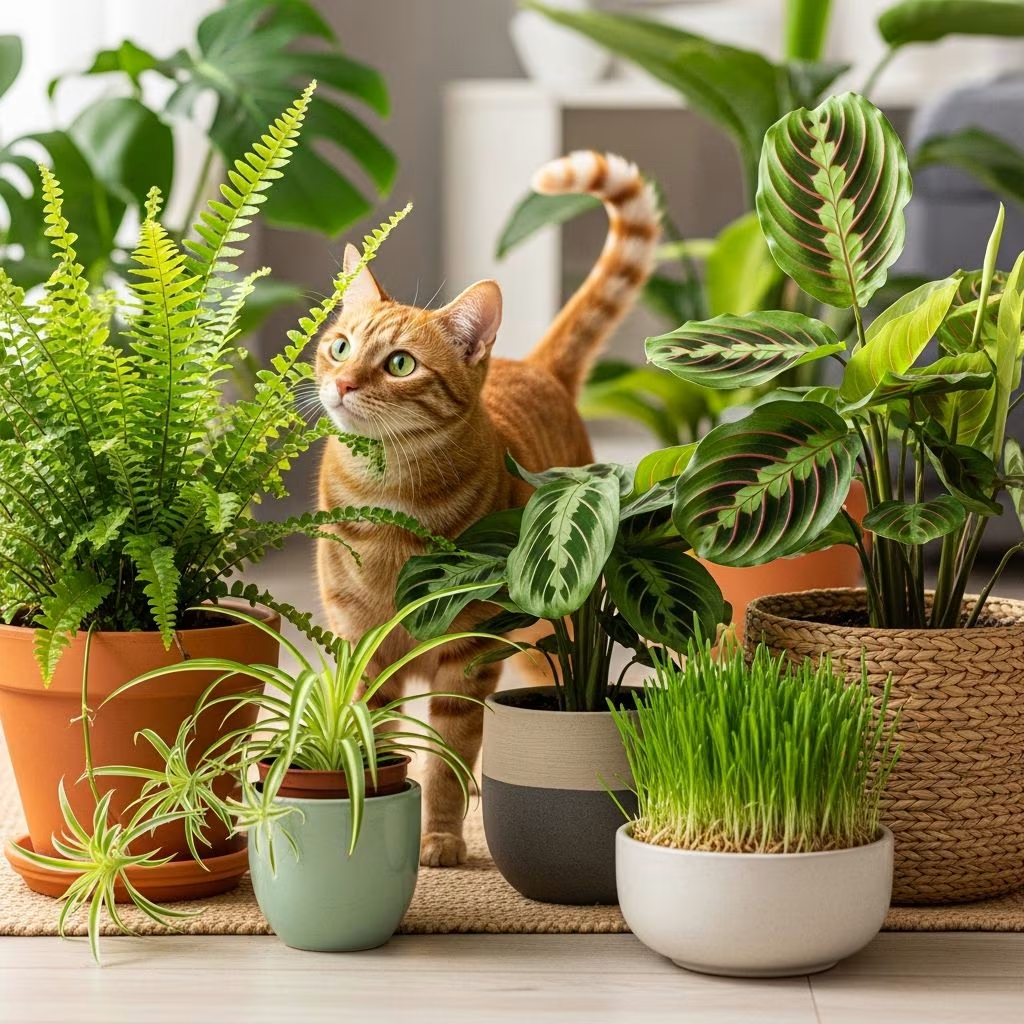
Bringing greenery into your home can purify the air, boost mood, and add natural beauty, but for cat owners, selecting the right plants is crucial to prevent health risks. This guide highlights verified non-toxic options endorsed by veterinary experts, focusing on easy-to-grow varieties that thrive indoors alongside curious felines. These selections prioritize resilience, low maintenance, and compatibility with pet lifestyles.
Why Choose Cat-Safe Greenery?
Plants enrich living spaces by filtering pollutants like formaldehyde and benzene, as supported by environmental studies. For cats, however, many common houseplants pose dangers, causing symptoms from mild irritation to severe organ damage. Opting for non-toxic species ensures peace of mind, allowing cats to explore without peril. According to the ASPCA, thousands of pet poisoning cases yearly stem from ingestions, underscoring the need for informed choices.
Beyond safety, these plants offer interactive appeal—some even delight cats with texture or scent—while demanding minimal effort, suiting busy households.
Top Non-Toxic Indoor Plants for Cat Homes
Below is a selection of resilient, cat-safe plants, each with scientific names, care essentials, and unique perks. These are drawn from authoritative pet health resources confirming their harmlessness to felines.
- Spider Plant (Chlorophytum comosum): This fast-growing favorite produces arching leaves and plantlets, ideal for hanging baskets out of paw reach. Thrives in partial shade with low water needs; drought-tolerant once established. Air-purifying qualities remove toxins effectively.
- Boston Fern (Nephrolepis exaltata): Lush, feathery fronds create a tropical vibe. Prefers indirect light, high humidity, and consistent moisture. Excellent for bathrooms; non-toxic and resilient against nibbling.
- Parlor Palm (Chamaedorea elegans): Elegant, slow-growing palm with feathery fronds. Handles low light and infrequent watering; reaches 6 feet indoors. Drought-resistant and pet-friendly.
- Majesty Palm (Ravenea rivularis): Tall, graceful option that cleans air by targeting formaldehyde and carbon monoxide. Needs bright, indirect light and moderate water; widely available.
- Bird’s Nest Fern (Asplenium nidus): Crinkled, nest-like leaves add exotic flair. Low-maintenance in partial shade with moist soil; tolerates various conditions.
- Cast Iron Plant (Aspidistra elatior): Indestructible foliage endures low light and neglect. Dark green leaves brighten dim corners; perfect for beginners.
- Peperomia Species (Peperomia spp.): Compact with succulent leaves in varied patterns. Low water, bright indirect light; varieties like obtusifolia are stylish and safe.
- Wax Plant (Hoya carnosa): Vining with waxy leaves and fragrant blooms. Easy-care; thrives in hanging spots with minimal watering.
- Air Plants (Tillandsia spp.): Epiphytic wonders absorb nutrients from air. Mist weekly; display creatively without soil.
- Mosaic Plant (Fittonia albivenis): Veined leaves in pink/white provide ground cover. Needs humidity, low light; bathroom favorite.
Care Essentials for Thriving Cat-Safe Plants
Success with these plants hinges on matching their needs to your home’s conditions. Most prefer indirect light to avoid leaf scorch, moderate watering to prevent root rot, and well-draining soil.
| Plant | Light | Water | Humidity | Max Height (Indoor) |
|---|---|---|---|---|
| Spider Plant | Partial shade | Low | Medium | 2 ft |
| Boston Fern | Indirect | Regular | High | 3 ft |
| Parlor Palm | Low to bright indirect | Low | Medium | 6 ft |
| Majesty Palm | Bright indirect | Moderate | High | 10 ft |
| Cast Iron Plant | Low shade | Low | Low | 2 ft |
| Peperomia | Bright indirect | Low | Medium | 1 ft |
Use pots with drainage holes and peat-based mixes. Fertilize sparingly during growth seasons with diluted, balanced formulas. Rotate plants for even growth and prune dead parts to maintain vigor.
Benefits Beyond Safety
These plants contribute to healthier homes. Spider plants and palms excel at VOC removal, improving air quality per NASA clean air studies. Ferns boost humidity, aiding respiratory health for pets and owners. Visually, they transform spaces—trailing vines for shelves, upright palms for corners—while textured leaves entertain cats safely.
Some, like catnip (Nepeta cataria), offer feline-specific joy without toxicity, stimulating play. Low-maintenance profiles reduce stress, ensuring long-term success.
Plants to Avoid: Common Toxic Threats
Steer clear of these frequent culprits, confirmed toxic by ASPCA and veterinary sources.
- Lilies: Highly dangerous; even pollen or water causes kidney failure.
- Aloe Vera: Sap irritates GI tract, leading to vomiting.
- Snake Plant: Contains saponins causing nausea.
- Jade Plant: Induces depression, irregular heartbeat.
- Sago Palm: Liver toxin; often fatal.
- Tulips/Daffodils: Bulbs cause severe GI upset.
Monitor for symptoms like drooling, vomiting, or lethargy, and contact a vet or poison hotline immediately if suspected.
Creating a Pet-Proof Green Oasis
Elevate plants on high shelves or use hanging planters to deter access. Group humidity-lovers in pebble trays for mutual benefits. Introduce gradually to monitor cat reactions. Artificial replicas offer zero-risk aesthetics for high-traffic zones.
For outdoor spaces, consider hardy options like Russian sage or petunias, safe for gardens. Integrate with scratchers or perches for multi-use zones.
Frequently Asked Questions
Are all ferns safe for cats?
Most like Boston and Bird’s Nest are, but confirm varieties; avoid Bracken fern.
Can cats eat these plants?
Ingestion is harmless but may cause mild tummy upset from fiber; they’re not nutritionally beneficial.
How do I propagate spider plants?
Root dangling plantlets in water or soil for easy multiples.
What if my cat chews leaves anyway?
These plants won’t poison, but provide cat grass as alternative to redirect behavior.
Are these safe for other pets too?
Yes, most are dog-safe per listings.
Advanced Tips for Lush Growth
Enhance vitality with LED grow lights in dim areas, ensuring full-spectrum for photosynthesis. Pest control uses neem oil sparingly, safe around cats when dry. Repot every 1-2 years in spring. Seasonal adjustments: increase water/humidity in winter heating.
Experiment with terrariums for ferns or Peperomia, creating micro-environments. Track growth with journals to refine care.
References
- 10 Cat safe plants for your home — Our Little Suburban Farmhouse. 2023. https://ourlittlesuburbanfarmhouse.com/10-cat-safe-plants-for-your-home/
- Cat-Friendly Plants: Top 34 Nontoxic & Easy-Care Varieties — Planet Desert. 2024-02-15. https://planetdesert.com/blogs/news/cat-friendly-plants-top-34-easy-to-care-for-nontoxic-varieties
- 15 Safe and Non-Toxic Plants for Cat Lovers — Outdoor Bengal. 2023. https://www.outdoorbengal.com/blogs/cat-health/cat-friendly-plants
- Cat-Safe House Plants: A Guide for Pet Owners — Willow Glen Pet Hospital. 2024. https://willowglenpethospital.com/cat-safe-house-plants/
- Top 12 Pet Safe Indoor Plants for Cats and Dogs — Love That Leaf. 2023-05-10. https://www.lovethatleaf.co.nz/blogs/plant-care-guides/21-indoor-plants-safe-for-cats-and-dogs
- Toxic and Non-Toxic Plant List — Cats — ASPCA. 2025-01-20. https://www.aspca.org/pet-care/animal-poison-control/cats-plant-list



