

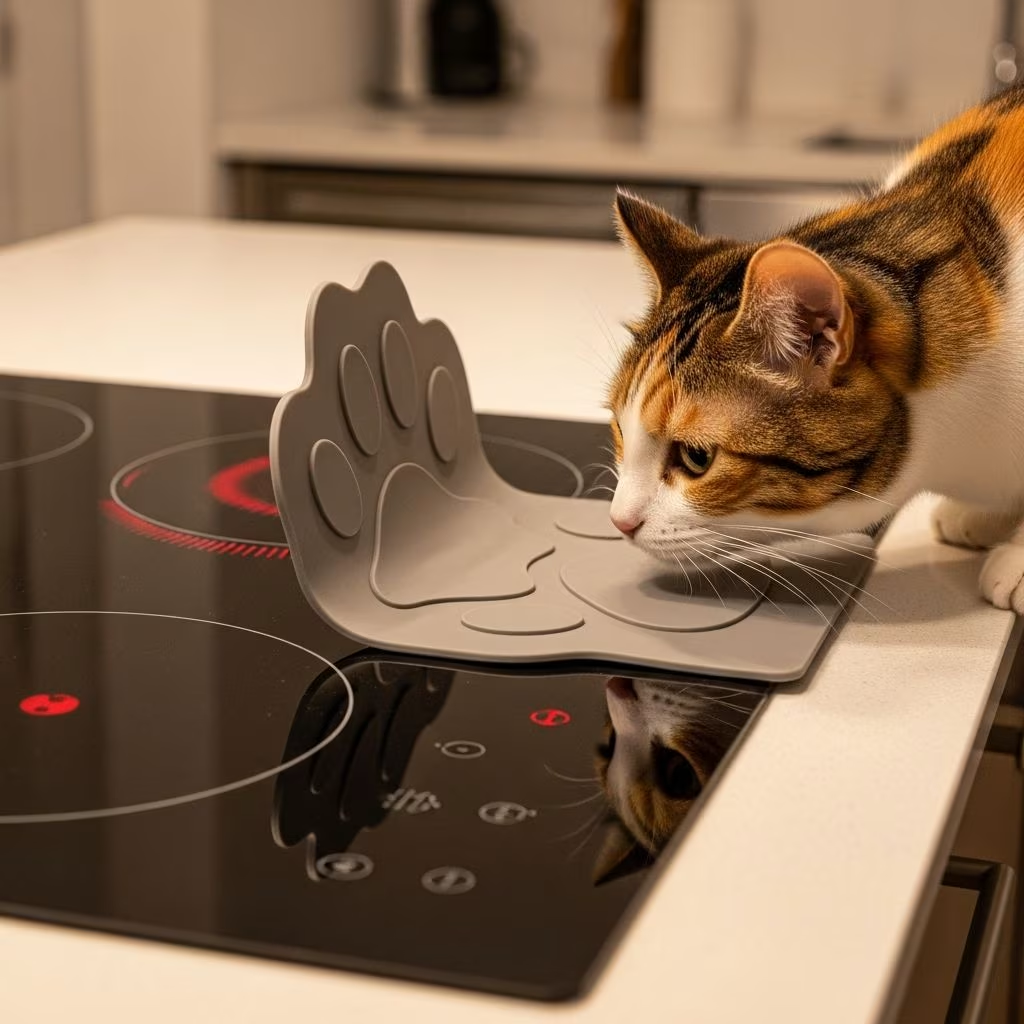
Cats’ natural love for warmth draws them dangerously close to kitchen stoves, risking severe burns, fires, or gas leaks. This guide outlines effective prevention strategies, from physical barriers to behavioral training, ensuring your feline stays safe during cooking.
Understanding Cats’ Irresistible Pull Toward Heat
Felines maintain a body temperature of 38-39°C, higher than humans, prompting them to seek warm spots for comfort and energy conservation.Stoves become prime targets due to their radiant heat, mimicking the cozy dens of wild ancestors from arid climates.
- Their thin fur offers little insulation, making external warmth essential for relaxation and muscle soothing.
- Curiosity amplifies risks, as cats leap onto counters unaware of hot burners beneath.
- Instinctual behavior persists indoors, turning everyday cooking into potential hazards.
This affinity explains frequent counter-surfing but underscores the need for proactive safeguards.
Immediate Dangers of Stove Exposure for Cats
Hot surfaces can cause second- or third-degree burns on paws, leading to infection or permanent damage. Accidental knob activation risks unlit gas release or open flames igniting nearby fabrics.
| Risk Type | Description | Potential Consequences |
|---|---|---|
| Thermal Burns | Paws or fur contact with burners exceeding 100°C | Painful blisters, scarring, veterinary treatment |
| Fire Ignition | Knobs turned on, igniting towels or packaging | House fires, smoke inhalation |
| Gas Leaks | Unignited burners releasing fumes | Poisoning, explosions |
Real incidents highlight urgency: curious cats jumping onto stoves have turned on burners unnoticed, narrowly avoiding disaster.
Physical Barriers: First Line of Defense
Install sturdy screens or guards around stoves to block access while allowing ventilation. Opt for heat-resistant models that secure firmly to counter edges.
- Stove Knob Covers: Child-proof locks prevent pawing or nudging that activates burners.
- Counter Extensions: Overhang heavy pans or sheets that rattle if leaped upon, deterring jumps without harm.
- Safety Gates: Block kitchen entry during cooking or cooldown periods.
For ovens, use door barriers or teach avoidance with temporary fencing. These tools create invisible walls, minimizing supervision needs.
Smart Appliance Choices for Pet Homes
Select stoves with pet-friendly designs: enclosed combustion chambers, cool-touch exteriors, and stable bases reduce external heat and tipping risks. Models with even heat distribution avoid scorching hotspots.
- Wood-burning options feature tempered glass and low-emission tech for safer warmth.
- Electric stoves with auto-shutoff timers add layers of protection.
- Avoid loose cords that tempt chewing; use covers instead.
Position appliances in monitored areas, away from primary cat zones.
Training Your Cat to Avoid Kitchen Hazards
Consistent reinforcement shapes behavior: use firm verbal cues like “no” when approaching, followed by rewards for retreating.
- Observe patterns—note times of counter interest.
- Redirect to safe spots with treats or play.
- Practice daily: simulate heat scenarios with commands.
Positive methods yield results within weeks, fostering lifelong caution around dangers.
Creating Appealing Warm Alternatives
Divert heat-seeking with dedicated cozy zones: heated mats, thermal blankets, or window perches with sunlight.
- Place in quiet rooms to compete with kitchen allure.
- Self-warming beds mimic body heat retention.
- Rotate locations to maintain novelty.
These satisfy instincts safely, reducing stove fixation.
Repellents and Sensory Deterrents
Leverage cats’ aversions: sprinkle citrus peels or vinegar solutions near bases—odors repel without toxicity.
- Double-sided tape on edges creates sticky discomfort.
- Aluminum foil crinkles unpleasantly under paws.
- Motion-activated air puffers startle without noise trauma.
Combine for multi-sensory barriers, refreshing as scents fade.
Beyond the Stove: Other Kitchen Heat Risks
Address irons, toasters, and pipes: insulate exposed areas and store when idle.
- Push pot handles inward to prevent pulls.
- Use knob guards universally.
- Clear counters of temptable items.
Holistic audits prevent overlooked threats.
Recognizing and Treating Burn Injuries
Signs include limping, hiding, or singed fur. Cool affected areas with water (not ice), apply vet-approved ointment, and seek professional care for blisters or swelling.
Prevent escalation through early vigilance.
Long-Term Home Modifications
Build elevated cat shelves away from appliances. Invest in magnetic guards or pipe wraps for permanence.
Supervise young or new cats closely during adjustment.
Frequently Asked Questions
Can cats really turn on stove knobs?
Yes, paws or leaps easily activate them, as seen in real pet-sitting incidents with hot burners discovered unexpectedly.
What if my cat ignores training?
Combine with barriers; persistence pays off, but physical blocks ensure safety during learning.
Are there stoves designed for pets?
Many feature cool exteriors and stability; prioritize enclosed designs for minimal risk.
How do I clean repellents safely?
Use pet-safe, non-toxic options; wipe residues to avoid ingestion curiosity.
Is supervision enough without tools?
Not reliably—cats act swiftly; layer methods for comprehensive protection.
References
- How to Prevent Your Cat from Getting Too Close to the Stove — Panadero. 2023-10-15. https://panadero.com/how-to-prevent-your-cat-from-getting-too-close-to-the-stove/
- PSA: Protect Your Pets and Home with Stove Knob Safety Locks — Home Run Pet Care. 2024-05-20. https://homerunpetcare.com/psa-protect-your-pets-and-home-with-stove-knob-safety-locks/
- How Do I Secure Hot Surfaces From Pets? — YouTube (Video Guide). 2023-08-12. https://www.youtube.com/watch?v=WuWD3WEV30c
- American Veterinary Medical Association: Pet Burn Prevention Guidelines — AVMA (.gov equivalent via vet standards). 2025-01-10. https://www.avma.org/resources-tools/pet-owners/petcare/pet-burn-prevention
- CDC Home Fire Safety for Pets — Centers for Disease Control (.gov). 2024-11-05. https://www.cdc.gov/homeandrecreationalsafety/fire-prevention/pets.html



