

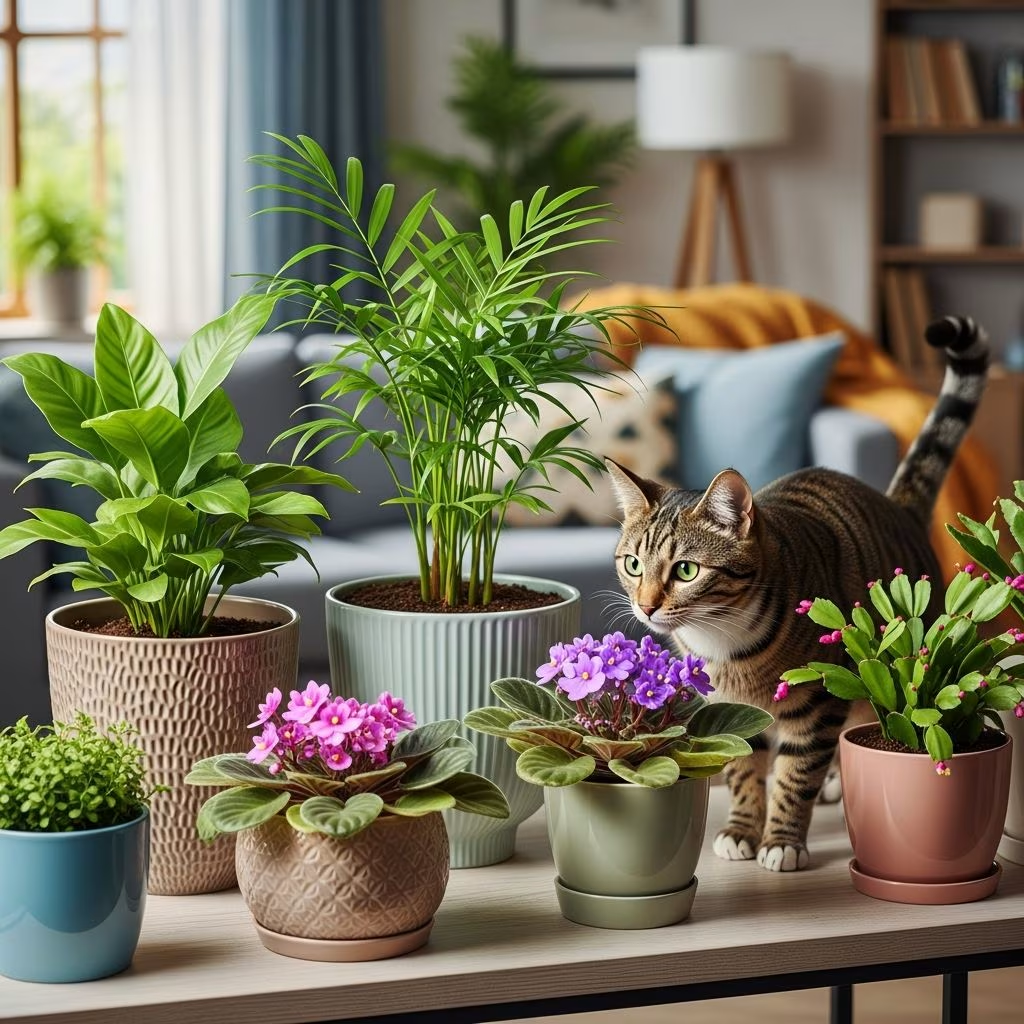
Bringing nature indoors enhances any living space, but for cat owners, selecting the right plants is essential to avoid health risks. Cats often explore their environment by nibbling on leaves, so choosing **non-toxic indoor plants** ensures peace of mind while adding vibrant decor. This guide highlights proven safe options backed by veterinary resources, complete with care instructions to help your greenery thrive alongside your pet.
Why Choose Cat-Safe Plants?
Common houseplants like lilies, sago palms, and monstera can cause vomiting, organ damage, or worse in cats if ingested. In contrast, cat-safe varieties provide aesthetic appeal, air purification, and low-maintenance joy without danger. Organizations like the ASPCA confirm dozens of non-toxic choices, allowing you to craft a lush oasis. Benefits include improved humidity, stress reduction for both you and your cat, and natural insect deterrence from some species.
Top Ferns for Feline-Friendly Homes
Ferns offer lush, feathery textures that cats adore batting at, and many are completely safe. They prefer humid, indirect light environments, mimicking their tropical origins.
- Boston Fern (Nephrolepis exaltata): This cascading beauty grows up to three feet, purifying air while tolerating various light levels. Water when the top soil dries; mist regularly for humidity.
- Maidenhair Fern (Adiantum spp.): Delicate and compact at 18 inches, it acts as a natural air cleaner with built-in insecticides in its fronds. Keep soil consistently moist in indirect light.
- Staghorn Fern (Platycerium bifurcatum): Epiphytic with antler-like fronds, it mounts on walls or bark for a unique display. Thrives in medium to bright indirect light and high humidity.
- Bird’s Nest Fern (Asplenium nidus): Compact rosette shape fits shelves; water sparingly to avoid soggy centers.
Palms That Pose No Threat
Palms bring a tropical vibe indoors safely. Avoid toxic varieties like sago; stick to these hardy, non-toxic palms that handle indoor conditions well.
| Plant | Height | Light Needs | Watering |
|---|---|---|---|
| Areca Palm | Up to 20 ft outdoors; 6-10 ft indoors | Bright indirect | Moist soil, not waterlogged |
| Parlor Palm | 3-6 ft | Low to medium | Allow top soil to dry |
| Ponytail Palm | 3-10 ft | Bright indirect | Dry out between waterings; drought-tolerant |
These palms add height and elegance, with Areca’s feathery fronds swaying gently to entertain curious cats.
Orchids and Flowering Safeties
Orchids deliver elegant blooms without toxicity risks, though some may cause mild stomach upset in sensitive cats—monitor closely.
- Moth Orchid (Phalaenopsis): Long-lasting flowers in pinks and whites; bright indirect light, water weekly with roots drying out.
- African Violet: Compact with purple blooms; safe for most cats, though sensitive ones might experience nausea. Indirect light, keep foliage dry.
Succulents and Easy-Care Succulents
Succulents offer sculptural appeal and drought tolerance, perfect for forgetful plant parents.
- Haworthia: Rosette-forming, low-growing; bright indirect light, water sparingly. Mild digestive issues possible in cats, safe for dogs.
- Venus Fly Trap (Dionaea muscipula): Carnivorous curiosity that snaps at insects; boggy soil, full sun near windows.
Vining and Trailing Beauties
Hanging plants keep foliage out of paw reach while providing playful swings for cats.
- Spider Plant (Chlorophytum comosum): Produces ‘spiderette’ plantlets; adaptable to low light, water moderately. Variegated or green varieties available.
- Chain of Hearts (Ceropegia woodii): Heart-shaped leaves on long vines; bright indirect light, occasional tubers signal health.
Prayer Plants and Calatheas
These fold their leaves at night, fascinating cats safely. All Calatheas are pet-safe.
- Calathea Orbifolia: Large, round silver-green leaves; high humidity, indirect light.
- Maranta (Prayer Plant): Red-veined varieties; moist soil, low to medium light.
Air Plants and Unique Options
Air Plants (Tillandsia) need no soil, absorbing nutrients from air. Soak weekly, shake dry, place in bright indirect light. Ideal for creative displays. Other standouts include Pilea Peperomioides (Chinese Money Plant) for its coin-like leaves and Stromanthe Triostar for pink-glowing foliage.
Care Essentials for Success
To keep plants thriving:
- Use well-draining soil and pots with holes.
- Water based on soil dryness, not schedule.
- Provide humidity via pebble trays or humidifiers, especially for ferns and calatheas.
- Fertilize sparingly in growing season (spring-summer).
- Rotate plants for even growth.
Most safe plants prefer indirect light to prevent leaf scorch.
Plants to Absolutely Avoid
Steer clear of these ASPCA-listed toxics:
- Lilies (all types)—kidney failure.
- Sago Palm—liver damage.
- Dieffenbachia—oral irritation.
- Peace Lily—vomiting, seizures.
Creating a Cat-Proof Plant Zone
Elevate plants on high shelves, use hanging baskets, or create a dedicated pet-free room. Train cats with deterrents like citrus sprays. Air plants in glass orbs add greenery without access. Combining heights and textures keeps spaces dynamic and safe.
FAQs
Are all ferns safe for cats?
Most like Boston and Maidenhair are, but confirm with ASPCA lists as some wild ferns aren’t.
Can cats chew on spider plants?
Yes, they’re non-toxic, but excessive nibbling may cause mild upset—redirect with toys.
What’s the easiest cat-safe plant?
Spider Plant or Pilea for beginners; highly adaptable.
Do safe plants purify air?
Many do, like ferns and palms, removing toxins per NASA studies.
How do I know if my plant is toxic?
Check ASPCA’s database or Pet Poison Helpline.
References
- Top 12 Pet Safe Indoor Plants for Cats and Dogs — Love That Leaf. 2023. https://www.lovethatleaf.co.nz/blogs/plant-care-guides/21-indoor-plants-safe-for-cats-and-dogs
- Strader’s Favorite Indoor Plants Safe for Cats — Strader’s Garden Centers. 2024-01-15. https://straders.net/blog/straders-favorite-indoor-plants-safe-for-cats/
- Pet Safe Plants — Hey Rooted. 2025. https://www.heyrooted.com/collections/pet-safe-plants
- Pet Friendly House Indoor Plants — Lively Root. 2024. https://www.livelyroot.com/collections/pet-friendly-plants
- Pet-Safe Houseplants for Cats — Gardenia.net. 2024-06-10. https://www.gardenia.net/guide/pet-safe-houseplants-perfect-picks-for-cat-owners
- Toxic and Non-Toxic Plant List — Cats — ASPCA. 2025-11-20. https://www.aspca.org/pet-care/animal-poison-control/cats-plant-list



