

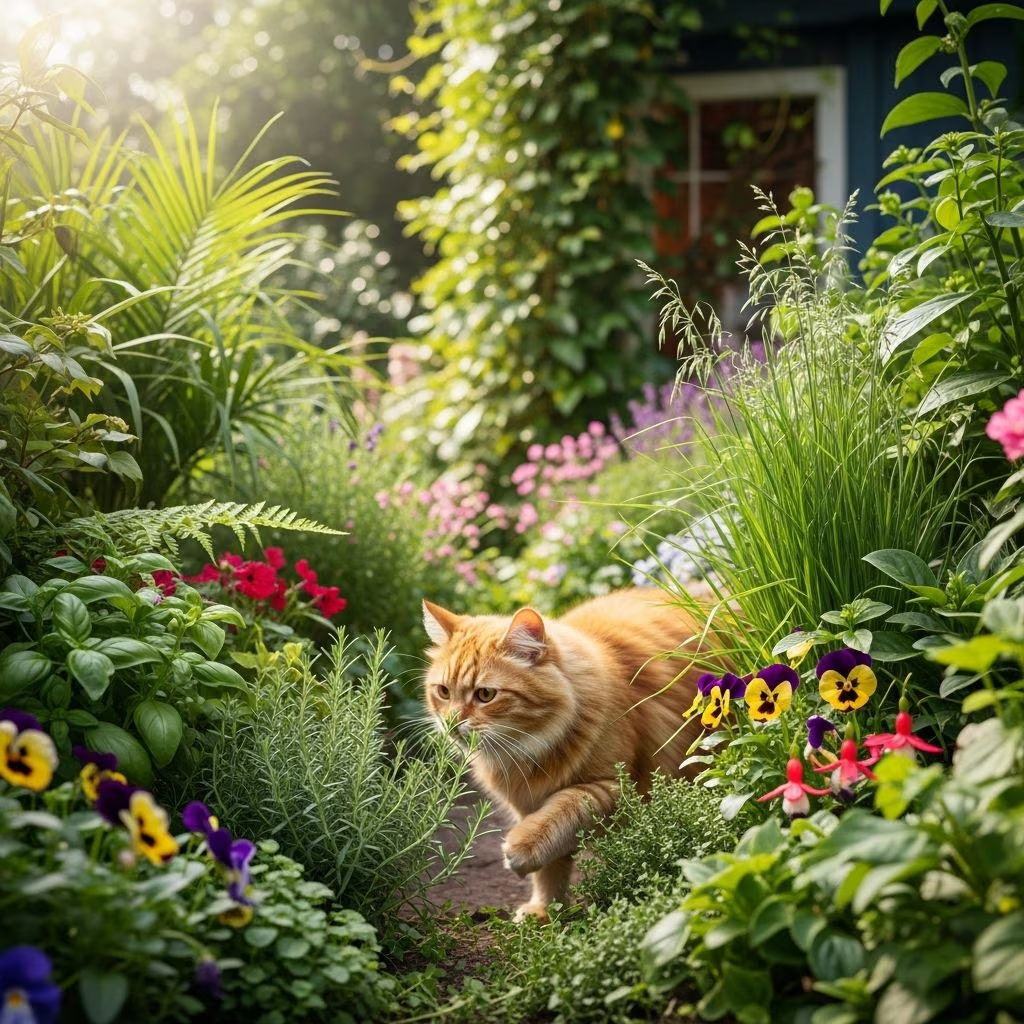
Designing a garden that delights both you and your cat requires careful plant selection to avoid toxicity risks. Cats instinctively nibble on greenery, so prioritizing non-toxic options ensures their health while enhancing your landscape with vibrant, aromatic choices. This guide explores safe plants, garden design tips, and maintenance strategies drawn from reliable pet care resources.
Why Choose Cat-Safe Plants for Your Garden
Cats treat gardens as playgrounds, scratching posts, and snack bars. Exposure to toxic plants like lilies or azaleas can cause vomiting, seizures, or worse, according to the ASPCA’s comprehensive plant toxicity list. Opting for safe alternatives prevents veterinary emergencies and lets your cat enjoy the outdoors freely. Safe plants also stimulate feline senses—some induce euphoria like catnip, while others aid digestion.
Beyond safety, these plants attract pollinators, repel pests, and require minimal care, making them practical for busy gardeners. Studies from veterinary sources emphasize that non-toxic flora supports holistic pet wellness by encouraging natural behaviors like pouncing and chewing.
Top Non-Toxic Grasses and Grasses for Feline Fun
Grasses provide essential fiber for hairball control and satisfy chewing urges. These hardy options thrive in various climates and draw cats like magnets.
- Cat Grass (oat, barley, wheatgrass mix): Promotes digestion and vomiting of indigestibles; easy to grow in pots or beds.
- Lemongrass: Citrusy scent intrigues cats; drought-tolerant and pest-repellent.
- Blue Oat Grass: Soft blades for playful batting; low-maintenance perennial.
- Purple Fountain Grass: Feathery plumes add height and motion; safe for nibbling.
Plant in clusters near sunny spots for easy access. Refresh patches seasonally to keep them fresh and appealing.
Herbs That Cats Love and Humans Harvest
Many culinary herbs double as cat attractants, offering dual benefits. Their strong scents mask garden odors and deter insects.
| Herb | Benefits for Cats | Growing Tips |
|---|---|---|
| Catnip (Nepeta cataria) | Euphoric response in 70% of cats; stimulates play | Sunny spots, well-drained soil; harvest leaves for toys |
| Valerian | Root calms nerves; similar high to catnip | Partial shade; biennial, self-seeds |
| Basil | Mild aroma; safe munchies | Containers; pinch tops for bushiness |
| Rosemary | Aromatic deterrent for fleas; evergreen | Full sun; drought-resistant |
| Lemon Balm | Citrus notes soothe; repels mosquitoes | Moist soil; spreads quickly |
These herbs thrive in pots, preventing overgrowth. Dry extras for cat toys or teas.
Flowers and Perennials Safe for Outdoor Cats
Bright blooms create visual appeal without risk. Select pollinator-friendly varieties for ecosystem balance.
- Coneflower (Echinacea): Sturdy stems withstand pouncing; medicinal properties.
- Snapdragon: Tall spikes for climbing; vibrant colors.
- Zinnias: Daisy-like flowers; continuous summer blooms.
- Marigolds: Pest barrier; golden hues.
- Cornflower: Blue petals attract curiosity; easy annual.
For shade, try Astilbe or Heuchera—feathery and colorful without toxicity. These perennials return yearly, reducing replanting efforts.
Indoor-Outdoor Succulents and Ferns
Transition plants seamlessly between home and garden. Succulents offer texture, ferns softness.
- Spider Plant: Arching leaves; air-purifying; cats bat pups.
- Cast Iron Plant: Shade-tolerant; indestructible foliage.
- Hens and Chicks (Sempervivum): Rosette clusters; drought-proof.
- Bird’s Nest Fern: Tropical vibe; low light.
- Parlor Palm: Elegant fronds; pet-safe classic.
Pot these for mobility, hanging to deter digging.
Vegetables and Edibles Cats Can Share
Incorporate produce for a multi-use garden. Cats ignore most but sample safely.
- Carrots, broccoli, celery—crunchy treats.
- Watercress, nasturtiums—peppery leaves.
- Sunflowers—seeds for snacks.
Fence off to protect harvests while allowing supervised access.
Garden Design Principles for Cat Havens
Structure spaces to encourage safe exploration.
- Vertical Elements: Install shelves or trellises with climbing-safe plants like snapdragons.
- Sensory Zones: Cluster catnip near scratching posts; lavender for calm corners.
- Boundaries: Use low fences to contain without confining.
- Water Features: Shallow ponds with aquatic plants like watercress.
- Shade Mix: Balance sun-lovers (marigolds) with shade-dwellers (ferns).
Avoid fertilizers with cocoa mulch or chemicals—opt for organic compost.
Seasonal Care and Maintenance Tips
Keep your cat garden thriving year-round.
- Spring: Sow grasses and annuals; prune perennials.
- Summer: Water deeply but infrequently; mulch to retain moisture.
- Fall: Harvest seeds; plant biennials like valerian.
- Winter: Protect pots; use evergreens like rosemary.
Monitor for pests manually; safe plants like marigolds naturally repel them. Rotate pots to prevent soil depletion.
Common Pitfalls and How to Avoid Them
Even safe gardens need vigilance.
- Misidentified plants—cross-check with ASPCA lists.
- Overwatering leading to root rot.
- Invasive spreaders like mint—contain in pots.
- Neighbor drift of toxic pollen or seeds.
Label beds and educate household members.
FAQs: Cat-Safe Gardening Essentials
Are all herbs safe for cats?
Most like basil and thyme are, but avoid chives in excess due to potential digestive upset.
Can indoor plants go outside?
Yes, acclimate gradually; spider plants and palms handle transitions well.
What if my cat ignores safe plants?
Not all cats react—try catnip first, as it affects most.
How do I start a cat garden on a budget?
Begin with seeds of grasses and herbs; propagate spider plants from runners.
Is catnip addictive?
No, effects wear off; it’s harmless and promotes activity.
Transforming Your Space into a Feline Paradise
With these plants and strategies, your garden becomes a safe, stimulating retreat. Start small, observe your cat’s preferences, and expand. The result: healthier pets, lush greenery, and shared joy outdoors. Consult vets for breed-specific needs.
References
- Cat-safe plants guide — Cats Protection. Accessed 2026. https://www.cats.org.uk/media/gb1jkhcr/cats_protection-safe-plants-guide.pdf
- Toxic and Non-Toxic Plant List — Cats — ASPCA. Accessed 2026. https://www.aspca.org/pet-care/animal-poison-control/cats-plant-list
- Creating a cat-safe oasis: A landscaping and planting guide — VCA Animal Hospitals. Accessed 2026. https://vcahospitals.com/resources/lifestyle-cat/hazards-safety/creating-a-cat-safe-garden-oasis
- Cat-Friendly Plants: Top 34 Nontoxic & Easy-Care Varieties — Planet Desert. Accessed 2026. https://planetdesert.com/blogs/news/cat-friendly-plants-top-34-easy-to-care-for-nontoxic-varieties
- Creating a Pet-Safe Garden: A Guide to Toxic and Non-Toxic Plants — Bokashi Living. Accessed 2026. https://bokashiliving.com/creating-a-pet-safe-garden-a-guide-to-toxic-and-non-toxic-plants/



