

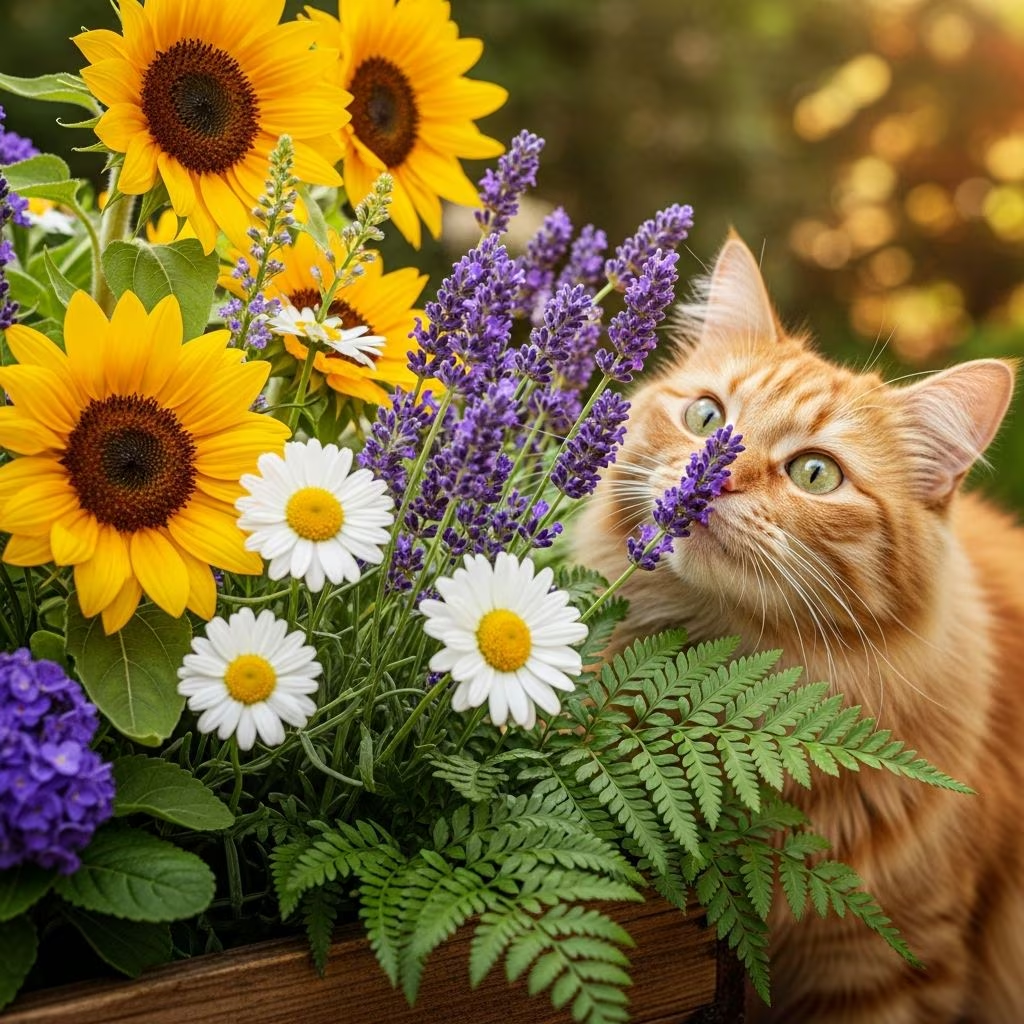
Bringing fresh flowers and lush plants into a home with cats requires careful selection to ensure your pet’s safety. Many popular blooms contain compounds that can cause vomiting, lethargy, or more severe issues in felines. This guide highlights verified non-toxic options, drawing from veterinary-approved lists, while explaining care needs and risks of dangerous varieties. Whether decorating indoors or enhancing an outdoor garden, these choices allow vibrant aesthetics alongside pet well-being.
Why Choose Cat-Safe Flowers and Plants?
Cats instinctively chew on greenery, mistaking it for prey or toys, which exposes them to potential toxins. According to the ASPCA’s comprehensive plant database, numerous household plants pose risks, but equally many safe alternatives exist. Selecting non-toxic species prevents emergency vet visits and lets cats interact freely. Benefits include reduced stress for owners, enriched environments for pets, and sustained floral displays without replacement costs from feline destruction.
Beyond safety, these plants offer air-purifying qualities, humidity control, and visual appeal. Veterinary sources like PetMD emphasize that safe flowers such as orchids and sunflowers thrive in typical home conditions while posing no threat. Prioritizing these supports holistic cat care, aligning beauty with health precautions.
Top Non-Toxic Flowers for Cat Households
Focus on blooms confirmed safe by multiple pet health authorities. These flowers resist moderate nibbling without adverse effects, though excessive ingestion may still cause mild stomach upset.
- Orchids: Elegant and long-lasting, orchids (family Orchidaceae) are fully non-toxic. They prefer indirect light and weekly watering, blooming for months.
- Roses: Petals and stems are harmless; thorns are the main hazard. Strip thorns for indoor vases. Full sun and moderate water suit them outdoors.
- Sunflowers (Helianthus angustifolius): Cheerful giants safe in all parts. They need ample sunlight and well-drained soil, growing tall for garden accents.
- Gerbera Daisies (Gerbera jamesonii): Vibrant and sturdy, these resist wilting. Bright indirect light and consistent moisture keep them blooming.
- Snapdragons (Antirrhinum majus): Spiky flowers delight cats visually. Partial shade and regular watering promote spikes of color.
- Alstroemeria: Lily-like but safe, with speckled petals. Cool spots and moist soil mimic their native habitat.
- Asters: Fall bloomers with daisy shapes. Drought-tolerant once established, ideal for borders.
These selections, vetted by PetMD and ASPCA, provide color variety from pastels to bold hues, fitting vases, pots, or beds.
Cat-Friendly Greenery and Herbs for Everyday Appeal
Houseplants and herbs extend safe options beyond flowers, offering foliage texture and scents cats tolerate well.
| Plant Name | Scientific Name | Light Needs | Watering | Key Benefits |
|---|---|---|---|---|
| Parlor Palm | Chamaedorea elegans | Low to medium | Moderate | Air-purifying, shade-tolerant |
| Spider Plant | Chlorophytum comosum | Bright indirect | Keep moist | Fast-growing, dangling appeal |
| Rosemary | Salvia rosmarinus | Full sun | Drought-tolerant | Aromatic, culinary use |
| Catnip | Nepeta cataria | Full sun | Low | Encourages play, calming |
| African Violet | Saintpaulia ionantha | Bright indirect | Low | Compact, colorful blooms |
| Boston Fern | Nephrolepis exaltata | Indirect light | High humidity | Lush, trailing fronds |
Such plants, per Planet Desert and PetMD, thrive indoors with minimal fuss, enhancing spaces while deterring over-nibbling through natural repellents like rosemary’s aroma.
Care Essentials for Thriving Cat-Safe Plants
Success hinges on replicating natural conditions. Most safe flowers demand well-draining soil to avert root rot, a common killer in humid cat homes.
- Lighting: Match plants to spots—sunflowers crave direct rays, while parlor palms endure shade.
- Watering: Check soil dryness before pouring; overwatering invites fungi cats might ingest.
- Humidity: Group plants or use pebble trays for ferns and violets, mimicking tropics.
- Placement: Elevate vases or use hanging baskets to limit access, though safe plants allow ground-level freedom.
- Pruning: Remove dead leaves promptly to discourage bacterial growth.
Fertilize sparingly with balanced formulas during growth seasons. ASPCA notes that healthy plants deter curious cats better than stressed ones.
Dangerous Plants to Banish from Cat Spaces
Awareness of toxins prevents accidents. Lilies top the list— even pollen causes kidney failure.
- Lilies: All true lilies (Lilium spp.) are lethal; avoid entirely.
- Tulips: Bulbs contain allergenic lactones causing vomiting.
- Daffodils: Alkaloids induce severe gastrointestinal distress.
- Azaleas: Grayanotoxins lead to cardiac issues.
- Ivy: Insoluble calcium oxalates irritate mouths.
Preventive Vet warns seasonal risks like holiday poinsettias, urging labels checks. If ingestion occurs, contact vets immediately—symptoms range from drooling to organ damage.
Enhancing Your Home with Mixed Cat-Safe Arrangements
Combine flowers and foliage for impact. A centerpiece of gerbera daisies, orchids, and spider plant trails creates dynamic displays. Outdoors, sunflowers border rosemary hedges, attracting pollinators sans risk. Rotate vases weekly for freshness, using cat-deterrent sprays like citrus on edges if needed.
For balconies, fuss-free Aeonium Kiwi succulents add rosettes in pink-green hues, non-toxic and drought-hardy. These setups foster safe exploration, reducing boredom-driven chewing.
FAQs: Cat-Safe Flowers and Plants
Are all orchids safe for cats?
Yes, common varieties in the Orchidaceae family are non-toxic per ASPCA and PetMD.
Can cats eat rose petals?
Rose petals pose no toxicity, but watch for thorns causing injury.
What if my cat chews safe plants?
Mild digestive upset may occur from fiber; monitor and ensure hydration.
Which safe plants purify air?
Parlor palm and spider plants excel at toxin removal.
Are succulents safe for cats?
Many like hens-and-chicks are, but verify—euphorbias are not.
Creating a Pet-Proof Garden Oasis
Designate zones: raised beds for flowers, ground herbs for sniffing. Mulch with pet-safe cedar to repel. Integrate coneflowers for pollinators and catnip patches for enrichment. Seasonal rotations keep interest high—spring pansies to fall asters, all vetted safe.
Monitor behaviors; some cats lose interest post-novelty. This balanced approach yields lush, worry-free greenery.
References
- What Flowers and Plants Are Safe for Cats? — PetMD. 2023-10-15. https://www.petmd.com/cat/general-health/plants-safe-for-cats
- Cat-Friendly Plants: Top 34 Nontoxic & Easy-Care Varieties — Planet Desert. 2024-05-20. https://planetdesert.com/blogs/news/cat-friendly-plants-top-34-easy-to-care-for-nontoxic-varieties
- 15 Cat-Friendly Flowers & Herbs — Ferry Morse. 2023-08-10. https://ferrymorse.com/blogs/the-greenhouse/15-cat-friendly-plants
- Beautiful Pet-Safe Flowers for Your Garden and Home — Preventive Vet. 2024-02-28. https://www.preventivevet.com/pets/beautiful-pet-safe-flowers-for-home-and-garden
- Factsheet – Cat-Friendly Flowers — Cat Protection Society of NSW. 2023-11-05. https://catprotection.org.au/cat-care-factsheets/factsheet-cat-friendly-flowers/
- Non-Toxic Flowers for Cats — Vercha Hawaii. 2024-01-12. https://www.verchawaii.com/blog/non-toxic-flowers-for-cats
- Toxic and Non-Toxic Plant List — Cats — ASPCA. 2025-09-30. https://www.aspca.org/pet-care/animal-poison-control/cats-plant-list



