

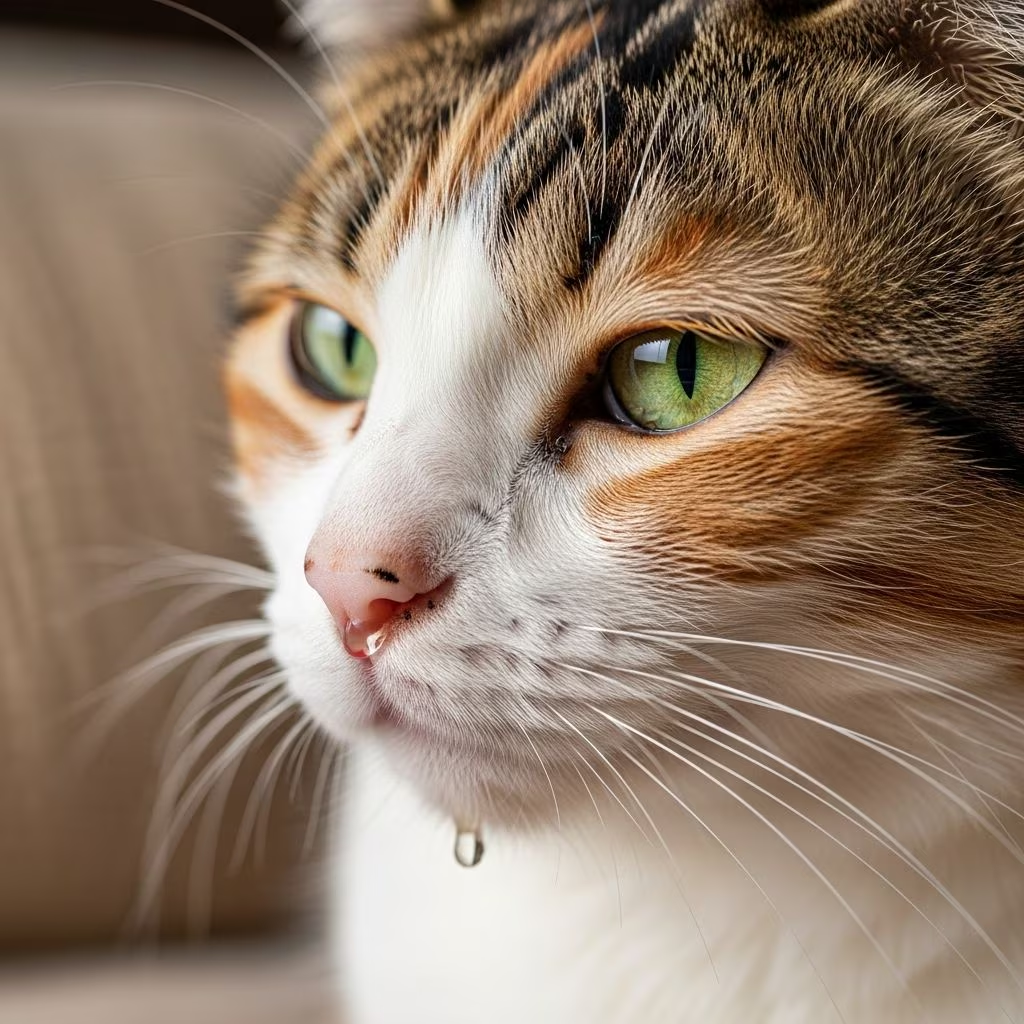
A runny nose in cats, also known as nasal discharge or rhinitis, is a common issue that can range from mild irritation to a sign of serious infection. Cats may produce clear, watery discharge, thick mucus, or even bloody nasal fluid, often accompanied by sneezing, watery eyes, or lethargy. While occasional discharge might stem from dust or minor irritants, persistent symptoms warrant prompt attention to prevent complications like chronic respiratory disease.
What Causes a Runny Nose in Cats?
Understanding the root cause is essential for effective treatment. Runny noses in cats arise from infections, allergies, structural issues, or environmental factors. Viral and bacterial infections top the list, particularly in kittens, multi-cat households, or immunocompromised felines.
- Viral Infections (Feline Herpesvirus – FHV and Calicivirus – FCV): These form the feline respiratory disease complex, causing upper respiratory infections (URIs) with clear or purulent discharge, sneezing, fever, mouth ulcers, and eye issues. FHV leads to corneal ulcers and conjunctivitis, while FCV causes tongue ulcers. Highly contagious, especially in shelters or young kittens aged 2-12 weeks.
- Bacterial Infections (Chlamydia, Bordetella): Often secondary to viral URIs, Chlamydophila felis causes conjunctivitis, purulent nasal discharge, sneezing, and fever. Transmissible to humans, it’s vaccine-preventable.
- Allergies (Allergic Rhinitis): Environmental triggers like pollen, dust, household products, or smoke provoke clear discharge, sneezing, and itchy, red eyes. Food allergies may also contribute.
- Foreign Objects: Grass blades, insects, or debris lodged in nasal passages cause unilateral discharge, sneezing, and pawing at the face.
- Dental Disease or Polyps: Tooth root abscesses or nasal polyps (benign growths, common in kittens) lead to chronic discharge, often one-sided with sneezing.
- Tumors or Cancer: Rare in younger cats but possible in seniors; nasopharyngeal lymphoma or polyps cause bloody, serous discharge from one nostril.
- Other Causes: Fungal infections like cryptococcosis (in humid areas), trauma, toxins (e.g., rat poison causing clotting issues), high blood pressure, aspiration pneumonia, or idiopathic chronic rhinitis.
Discharge color matters: clear suggests allergies or early infection; yellow/green indicates bacterial involvement; bloody signals trauma, tumors, or clotting disorders.
Symptoms of Runny Nose in Cats
Beyond nasal discharge, watch for associated signs indicating severity. Acute cases mimic a ‘cat cold’ with sniffles and mild sneezing, while chronic ones persist.
- Sneezing and nasal congestion, sometimes leading to open-mouth breathing.
- Eye discharge (watery or purulent), redness, or inability to open eyes due to crusting.
- Fever, lethargy, loss of appetite, dehydration, or weight loss.
- Mouth breathing, coughing, or harsh lung sounds in pneumonia cases.
- Unilateral symptoms (one nostril) pointing to polyps, tumors, or foreign bodies.
- Bloody discharge from trauma, hypertension, or cancer.
Kittens, FIV/FeLV-positive cats, or shelter residents are at higher risk for severe, protracted illness.
When to See a Vet for Your Cat’s Runny Nose
Not all runny noses need immediate vet care, but delay can lead to chronic issues. Seek professional help if symptoms last over 24-48 hours, worsen, or include:
- Thick, colored discharge or blood.
- Fever, refusal to eat, or extreme lethargy.
- Eye issues preventing vision or severe breathing difficulty.
- One-sided discharge or head tilting.
Vets diagnose via physical exam, bloodwork, imaging (X-rays, CT), rhinoscopy, or swabs for PCR testing of viruses/bacteria. Early intervention prevents complications like pneumonia or corneal scarring.
Diagnosis of Runny Nose in Cats
Veterinary diagnostics pinpoint causes to guide treatment. Expect:
- History and exam focusing on discharge type, duration, and concurrent symptoms.
- Swabs for culture/PCR to identify FHV, FCV, chlamydia, or fungi.
- Blood tests for FeLV/FIV, clotting issues, or systemic disease.
- Imaging or rhinoscopy to visualize polyps, tumors, or foreign bodies.
- Nasal flush under sedation for chronic cases.
Treatment for Runny Nose in Cats
Treatment targets the underlying cause, combining meds, supportive care, and sometimes surgery.
| Condition | Treatments |
|---|---|
| Viral/Bacterial URI | Antibiotics (e.g., doxycycline for chlamydia), antivirals, mucolytics, anti-inflammatories. Supportive fluids, nutrition. |
| Allergies | Antihistamines, corticosteroids, allergen avoidance. |
| Foreign Body/Polyps | Surgery (rhinotomy), nasal flush. |
| Fungal/Chronic | Antifungals, inhalers (e.g., AeroKat spacer), corticosteroids. |
| Tumors | Surgery, radiation, or palliative care. |
Most resolve in 7-14 days with treatment, but chronic rhinitis may require lifelong management.
Home Remedies for Cat Runny Nose
Support vet care with these safe home measures:
- Humidify: Use a humidifier or steam from a hot shower to loosen mucus.
- Clean Gently: Wipe nose/eyes with saline or warm water-dampened cloth; wash hands to avoid spread.
- Hydrate & Feed: Ensure fresh water; offer soft, palatable food like Hill’s a/d to combat appetite loss.
- Avoid Irritants: Eliminate smoke, perfumes, dust; use air purifiers.
- Boost Immunity: High-quality protein-rich diet with taurine supports recovery.
Never use human meds without vet approval.
Prevention of Runny Nose in Cats
Proactive steps reduce risk:
- Vaccinations: Core vaccines against FHV, FCV, chlamydia.
- Hygiene: Quarantine new cats, clean litter boxes/litter daily.
- Environment: Minimize allergens, stress; regular dental checks.
- Nutrition: Balanced diet bolsters immunity.
Frequently Asked Questions (FAQs)
Q: How long does a cat runny nose last?
A: Mild cases resolve in 3-5 days; infections may take 1-3 weeks with treatment. Chronic issues persist without intervention.
Q: Is cat runny nose contagious?
A: Yes, if viral/bacterial (e.g., FHV, chlamydia); isolate affected cats.
Q: Can I give my cat human cold medicine?
A: No, it’s toxic. Consult a vet for feline-safe options.
Q: Why is my cat’s nose runny only on one side?
A: Suggests polyp, tumor, foreign body, or dental issue; see a vet promptly.
Q: Does runny nose mean my cat has a cold?
A: Cats don’t get human colds but similar URIs from viruses/bacteria.
References
- Runny nose in cats – Joii Pet Care — Joii Pet Care. 2023. https://www.joiipetcare.com/blogs/health-symptoms/runny-nose-in-cats
- My cat has a runny nose: why and what should I do? — Ziggy Family. 2023. https://ziggyfamily.com/en/blogs/cats/my-cat-has-a-runny-nose-why-and-what-should-i-do
- Feline Rhinitis: Causes, Symptoms, And Treatments — Trudell Animal Health. 2023. https://trudellanimalhealth.com/blogs/blog/feline-rhinitis-causes-symptoms-and-treatments
- Why Your Cat’s Nose Is Running (& How to Help) — Hill’s Pet Nutrition. 2023. https://www.hillspet.com/cat-care/healthcare/why-cats-nose-is-running
- Runny Nose in Cats — PetMD. 2023. https://www.petmd.com/cat/symptom/runny-nose-cats
- What to do if your cat has a cold — Four Paws USA. 2023. https://www.fourpawsusa.org/our-stories/publications-guides/cat-cold-what-to-do
- Chronic Upper Respiratory Tract Disease — VCA Animal Hospitals. 2023. https://vcahospitals.com/know-your-pet/chronic-upper-respiratory-tract-disease



